
Headlines
- International Booker Prize winner faced attempted murder with knife.
- Writer endured one-and-a-half months of trolling, home intrusions before courts dismissed petitions against her.
- Mushtaq's Heart Lamp captures Muslim women's lives in southern Karnataka without globalising the narrative.
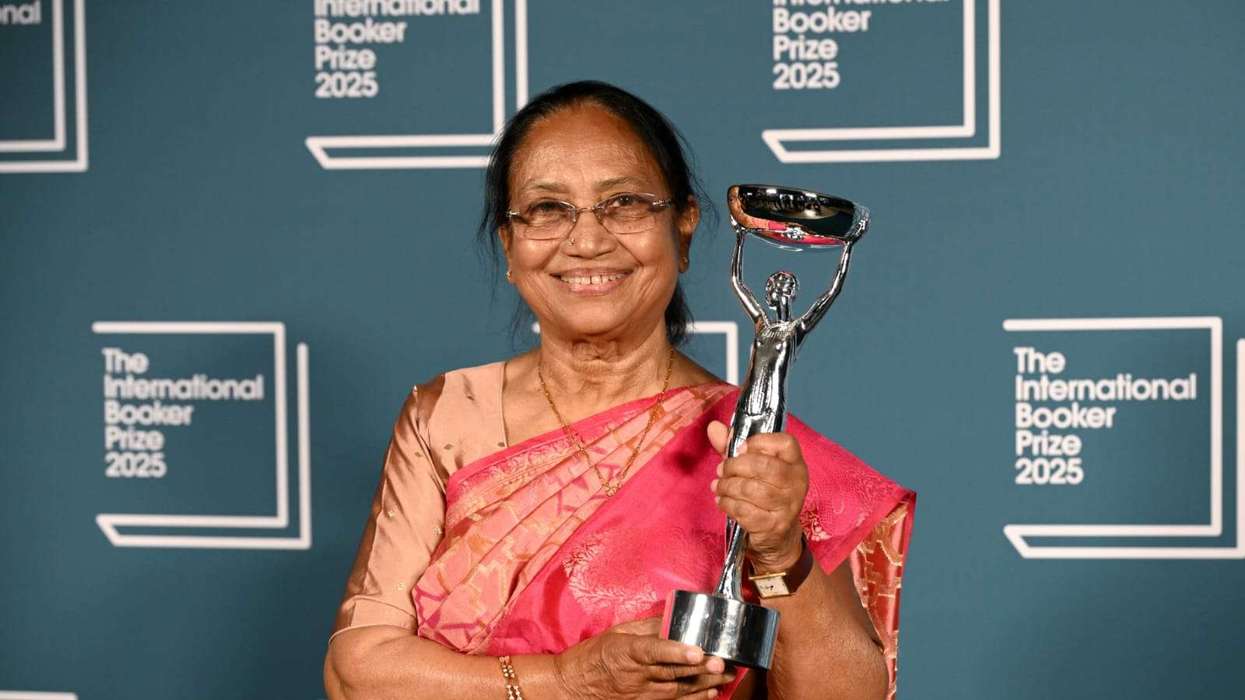
International Booker Prize-winning author Banu Mushtaq has disclosed she endured years of harassment and violence, including an attempted knife attack, for challenging patriarchy and communal divisions.
The Kannada writer, whose short story collection Heart Lamp earned her the 2025 International Booker Prize, shared her experiences during a keynote address at the Jaipur Literature Festival on Wednesday.
Mushtaq revealed she and her family were frequently targeted for opposing patriarchy, communalism, and caste and class hierarchies.
"A woman is expected to be silent, obedient, and peaceful," she told the packed audience. "But I am not that type. I challenged everything. I challenged patriarchy, I challenged caste hierarchy, I challenged power."
The writer, activist, and lawyer recounted a particularly harrowing incident when an attacker approached her with a long knife.
"Somehow, I was saved at the last minute, and an attempted murder case was registered," she noted.
In October, Mushtaq faced significant backlash after the Karnataka government invited her to inaugurate the Mysuru Dasara festival celebrations. Protest groups opposed a Muslim woman inaugurating what they termed a Hindu celebration.
"They trolled me continuously for one and a half months," Mushtaq said, adding that people "barged" into her home demanding she withdraw. The state government subsequently assigned her security detail, which remains with her.
Protesters challenged her participation in the state High Court and Supreme Court, but both courts dismissed the petitions.
She inaugurated the festival under heavy security. "It was a fight with unseen people and unseen power," she described, calling it a period of "mental harassment."
Writing and activism
Mushtaq's political consciousness developed during protest movements in Karnataka during the 1970s. "I was walking along with them in the street and shouting slogans," she recalled.
"Even facing lathi charge from the administration and getting arrested."
Heart Lamp captures everyday lives of women in Muslim communities in southern Karnataka, with some stories reflecting glimpses from Mushtaq's own life.
She explained that she and translator Deepa Bhasthi deliberately retained Kannada and Dakhani words without footnotes to preserve authenticity.
"We did not want to globalise Heart Lamp. We wanted it to be what it was," she said.
Mushtaq's keynote opened the five-day Jaipur Literature Festival, running from 15 to 19 January.






 Everyman Book coverMita Mistry