

THE BANK OF ENGLAND dismissed concerns over rise in inflation as the economy recovers from the coronavirus pandemic.
Consumer price inflation in the UK hit a two-year high of 2.1 per cent in the year to May, exceeding the bank's 2 per cent target.
The bank's Monetary Policy Committee (MPC) said recently that it expected inflation to go above 3 per cent "for a temporary period".
"Financial market measures of inflation expectations suggest that the near-term strength in inflation is expected to be transitory," the bank said.
The committee voted 9-0 to keep interest rates unchanged at the historic low of 0.1 per cent.
The bank had reduced rates and kept unchanged since March last year to help contain the economic shock of the pandemic.
It expected the UK economy to recover faster than it had previously predicted. Output in June was now expected to be about 2.5 per cent, below the pre-Covid level.
"Output in a number of sectors is now around pre-Covid levels, although it remains materially below in others. The housing market remains strong, and indicators of consumer confidence have increased," it said.
Delaying the final relaxation of Covid restrictions to July 19 is unlikely to have major impact on the economy, the MPC committee said.
Prime minister Boris Johnson said recently that plans to ease Covid restrictions in England on July 19 are "looking good”.
"The committee's central expectation is that the economy will experience a temporary period of strong GDP growth and above-target CPI inflation, after which growth and inflation will fall back," it added.










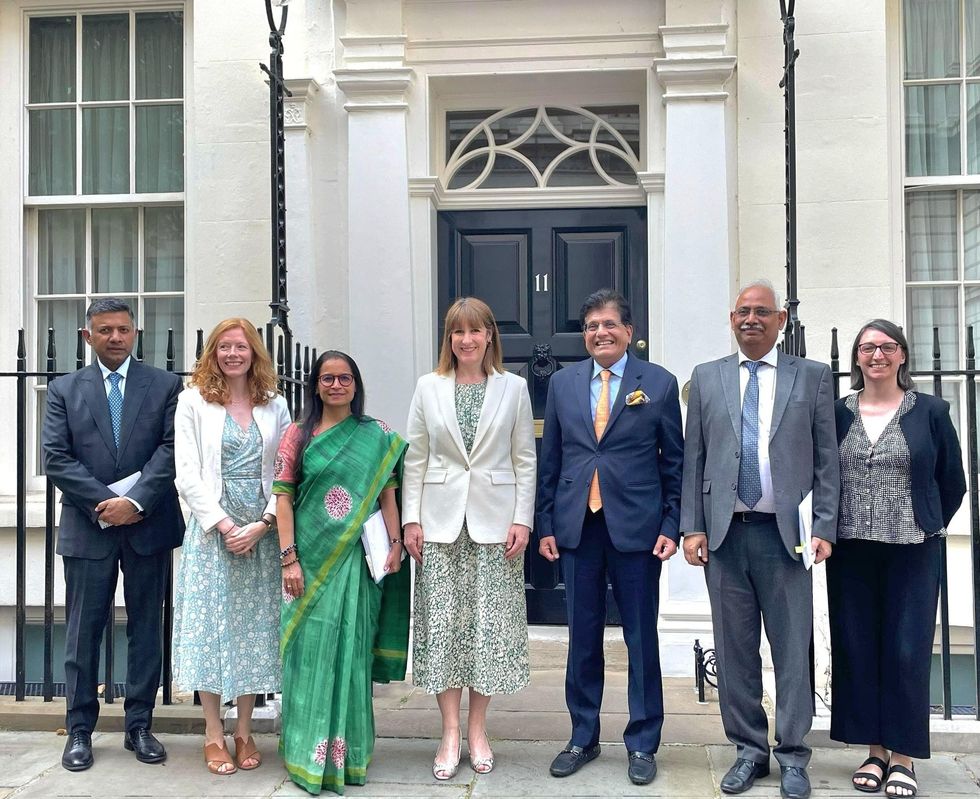 Piyush Goyal with shadow chancellor Rachel Reeves (centre), Vikram Doraiswami and other officials at the India Global Forum
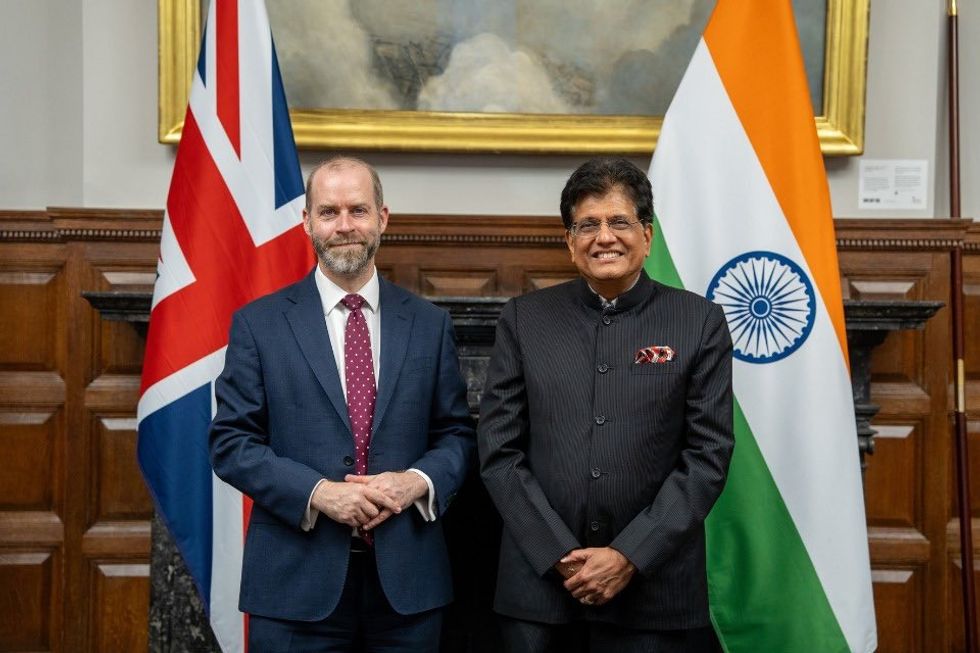 And , Goyal with Jonathan Reynolds