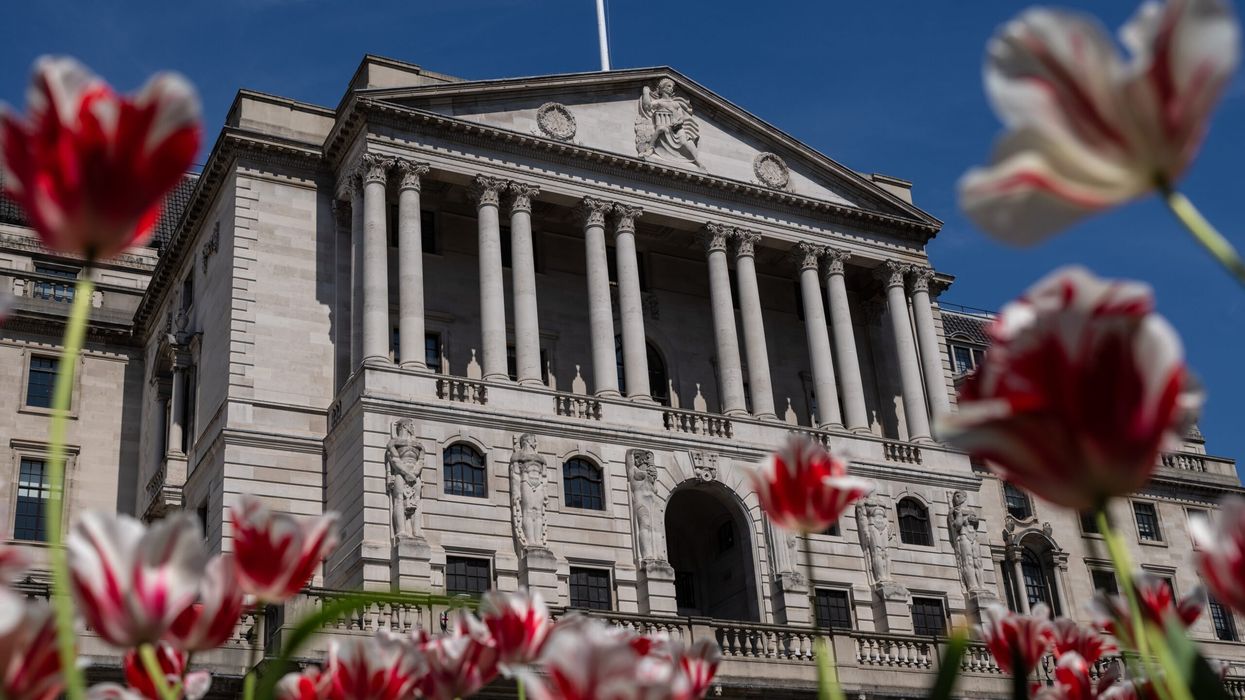

THE BANK OF ENGLAND (BoE) kept its key interest rate at 4.25 per cent on Thursday, citing persistent inflation and rising risks from US tariffs and the conflict between Israel and Iran.
The decision, which was widely expected, came a day after the US Federal Reserve also left its interest rates unchanged, pointing to continued inflation and slowing growth in the United States.
BoE governor Andrew Bailey said the UK economy remained weak but signalled that rate cuts were possible later this year.
“Interest rates remain on a gradual downward path, although we’ve left them on hold today,” Bailey said. He added, “The world is highly unpredictable.”
Official figures released Wednesday showed that UK annual inflation eased to 3.4 per cent in May, less than expected. It remains well above the BoE’s 2 per cent target.
In a statement, the central bank pointed to a recent rise in energy prices, citing the “escalation of the conflict in the Middle East” as a factor.
Despite holding rates steady, analysts expect the BoE to cut at its next meeting in August.
“The Bank of England opens the door for a cut in August as it keeps one eye on energy prices,” said Yael Selfin, chief economist at KPMG UK.
The Bank of Japan also kept its interest rate unchanged this week.
Earlier on Thursday, Norway’s central bank unexpectedly cut rates, and the Swiss National Bank reduced its rate to zero per cent. Both cited uncertainty in the global economic outlook.
Last month, the Bank of England cut its rate by 0.25 percentage points as early signs emerged that US tariffs were beginning to affect growth.
The UK economy shrank more than expected in April, partly due to a tax rise on domestic businesses.