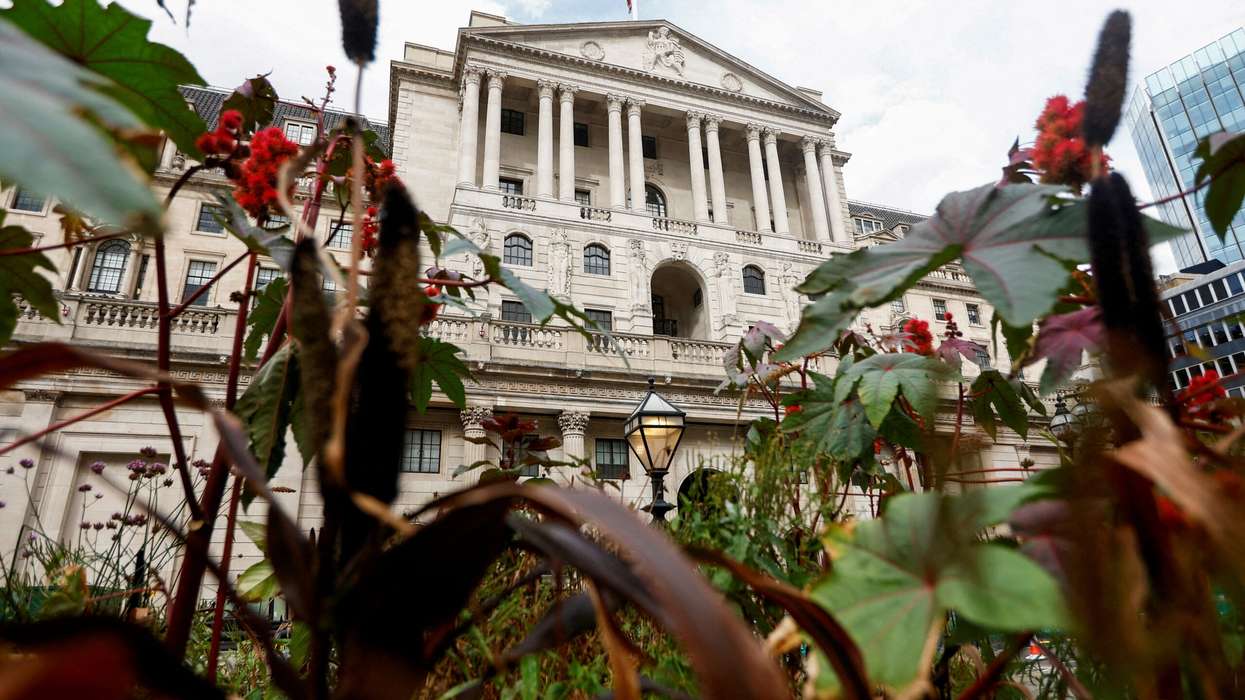

- Andrew Bailey says Britain has faced weak economic growth for nearly 17 years.
- The Bank of England says financial stability remains essential for sustainable growth.
- Bailey also warns global tensions could continue to create economic uncertainty.
The Bank of England has urged the incoming government to focus on reviving UK economic growth, with Governor Andrew Bailey describing it as the country's biggest long-term challenge after nearly 17 years of weak expansion.
Speaking before MPs on the Treasury Committee, Bailey reportedly said Britain had experienced persistently low growth for "the best part of 16 to 17 years", adding that the issue went beyond the record of any single government.
"The overall message I would give is that the big issue is growth in the economy," Bailey reportedly said when asked what advice he would offer Andy Burnham, who is preparing to succeed Sir Keir Starmer as Prime Minister.
Growth needs stability, says Bailey
Bailey rejected suggestions that financial regulation is the main barrier to economic growth, arguing that a stable banking system remains essential for long-term investment and confidence.
"We will not get growth if we do not have financial stability," he reportedly told MPs, while acknowledging there is scope to simplify some banking rules where appropriate.
Earlier this year, the Bank of England's Financial Policy Committee announced plans to streamline capital requirements for banks to increase their capacity to lend to businesses and households.
Responding to criticism that banks are holding excessive capital, Bailey reportedly said the sector remains financially strong, pointing to recent earnings upgrades by lenders such as Lloyds and NatWest after higher interest rates boosted their income.
He added that decisions on whether profits should be reinvested or returned to shareholders rest with individual banks.
Global tensions remain a risk
Bailey also warned that renewed instability in the Middle East could continue to weigh on the global economy.
He reportedly said the fragile ceasefire involving Iran had increased risks to financial stability, adding that international events now have a greater influence on financial markets than domestic developments.
Although crude oil prices have eased from earlier peaks, Bailey noted that refined fuel products such as petrol and diesel have not fallen by the same extent, meaning households and businesses could continue to face pressure.
The comments came as Brent crude traded near $87 a barrel (£65) after renewed geopolitical tensions pushed energy prices higher and lifted concerns over inflation and future interest rates.
Bailey reportedly said the recent market reaction highlighted how closely the UK's economic outlook is tied to global developments.





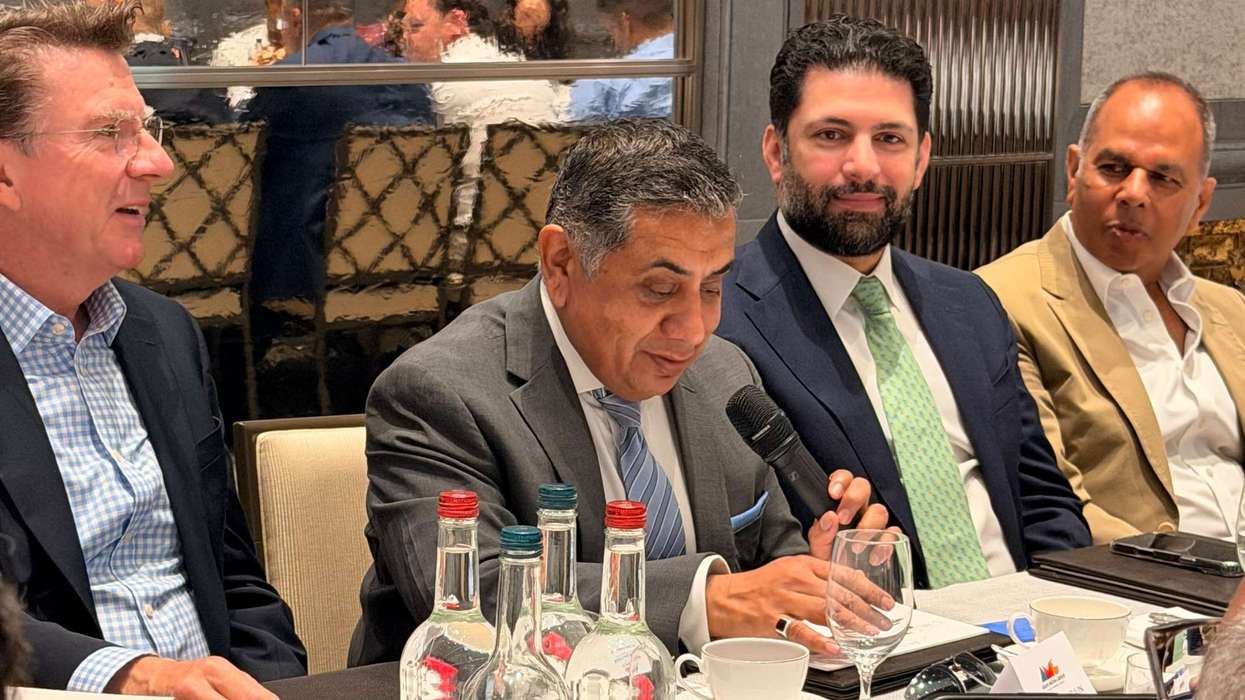
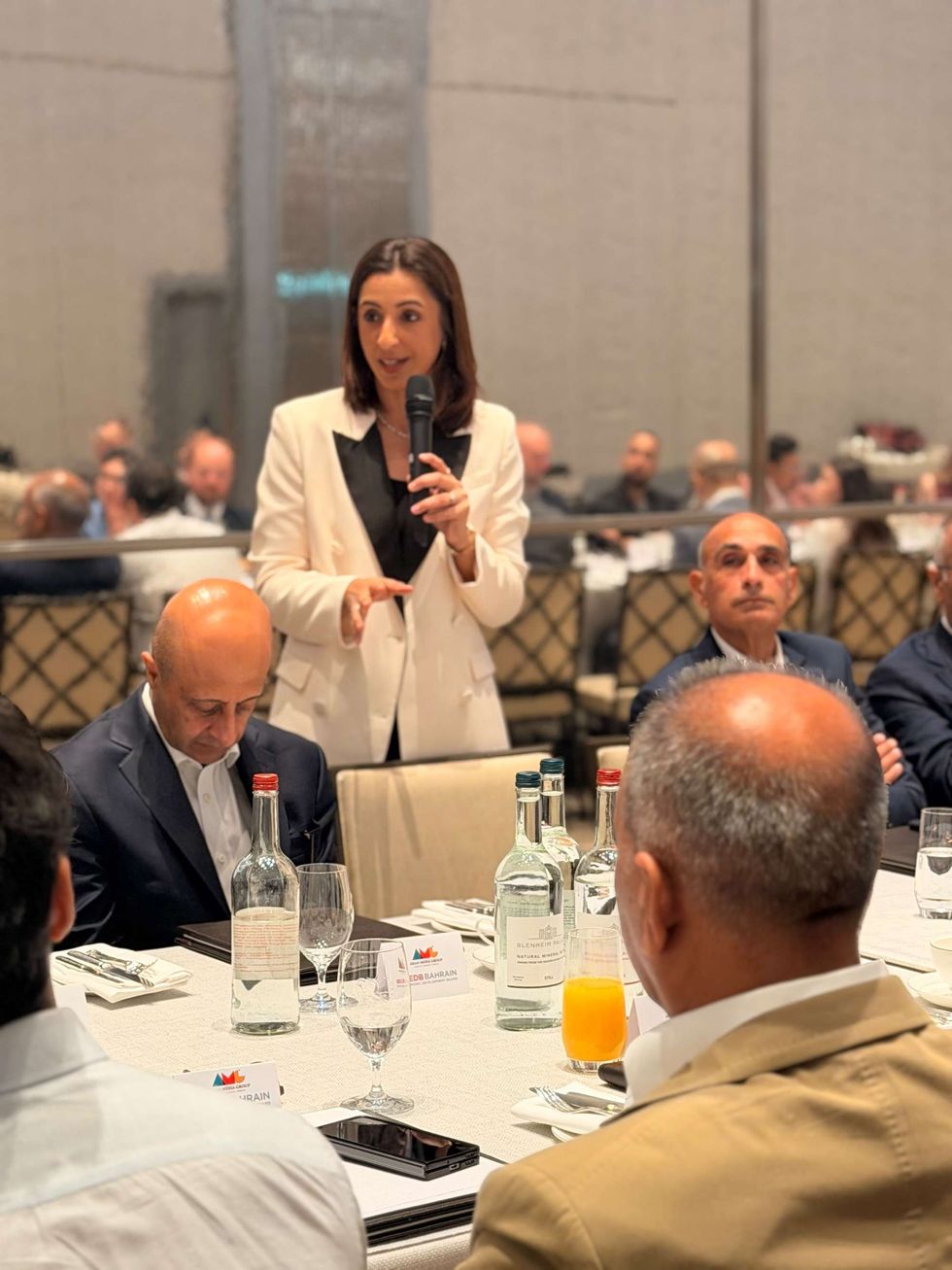 During the Q&A session, several business leaders challenged Bahrain officials on practical issues including banking, talent acquisition, healthcare, property investment and market access.AMG