
AROUND 200 Bangladeshis abducted by security forces during toppled prime minister Sheikh Hasina’s rule are still missing, a commission tasked with investigating enforced disappearances said on Tuesday (5).
Hasina, 77, fled by helicopter to India in August as a student-led uprising saw protesters flood streets of the capital Dhaka, bringing a dramatic end to her iron-fisted tenure.
Her government was accused of widespread human rights abuses, including the extra-judicial killing of hundreds of political opponents and the unlawful abduction and disappearance of hundreds more.
A commission of inquiry set up by the caretaker government now running the country said five people had been released from secret detention centres after Hasina’s ouster, but many more were still unaccounted for.
“There is no trace of at least 200 people. We have been working to locate them,” commission member Noor Khan said.
The commission said it had identified at least eight secret detention centres in Dhaka and its outskirts, some with cells as small as three by four feet (90 by 120 centimetres).
It said the walls of these cells had engravings that appeared to show their occupants having kept tally of the number of days they had been detained.
One commissioner said there had been efforts by unnamed law-enforcement agencies to erase evidence of these secret detention centres after Hasina’s overthrow.
Commissioners said most disappearance cases brought to its attention blamed the elite Rapid Action Battalion (RAB) police unit for the incidents.
The RAB was sanctioned by Washington in 2021 alongside seven of its senior officers in response to reports of its culpability in some of the worst rights abuses committed during Hasina’s rule.
The commission chair, Moyeenul Islam Chowdhury, said institutional breakdowns in the government and judiciary had also allowed a climate of impunity to flourish under Hasina. “They used the law enforcement agency not in the public interest, but for their own agenda and political interest.”
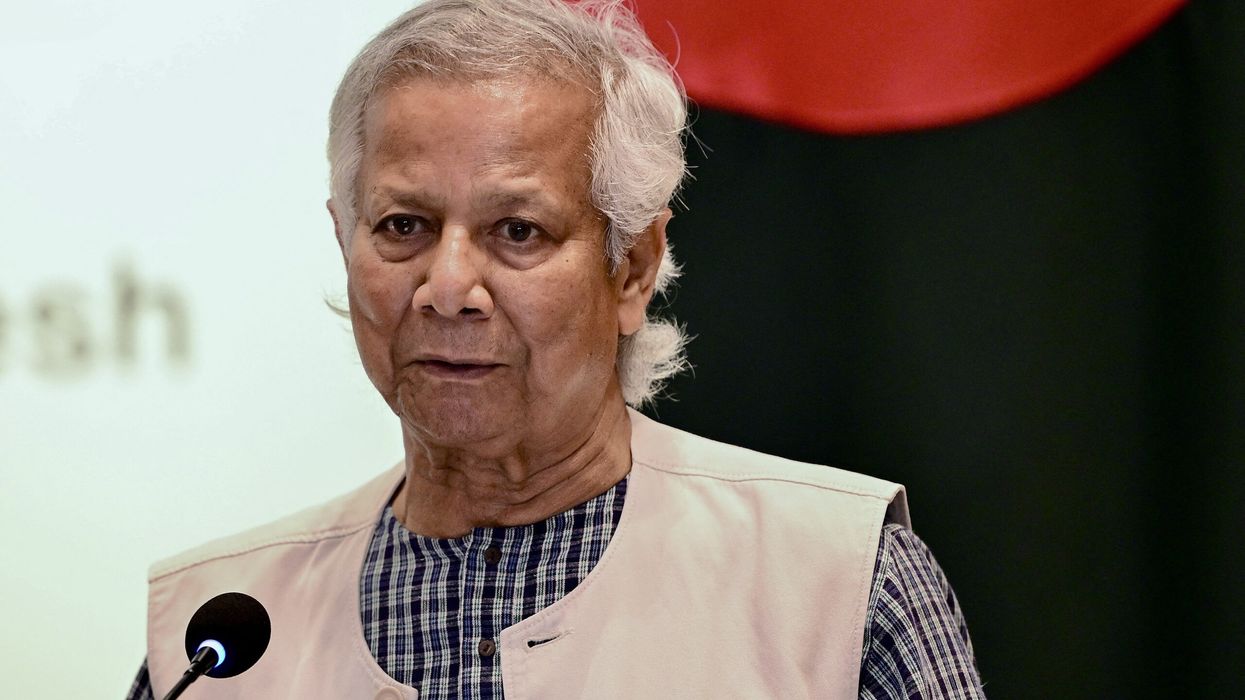
The commission was established by the interim government of Nobel Peace Prize winner Muhammad Yunus as part of its efforts to implement far-reaching democratic reforms.
Yunus has previously said he inherited a “completely broken down” system of public administration that needed a comprehensive overhaul to prevent a future return to autocracy.