
BANGLADESH and the World Bank last Wednesday (23) signed two financing agreements worth $850 million (£634.1m) to strengthen the country’s trade capacity, create jobs, and modernise its social protection system, the Washington-based global lender said.
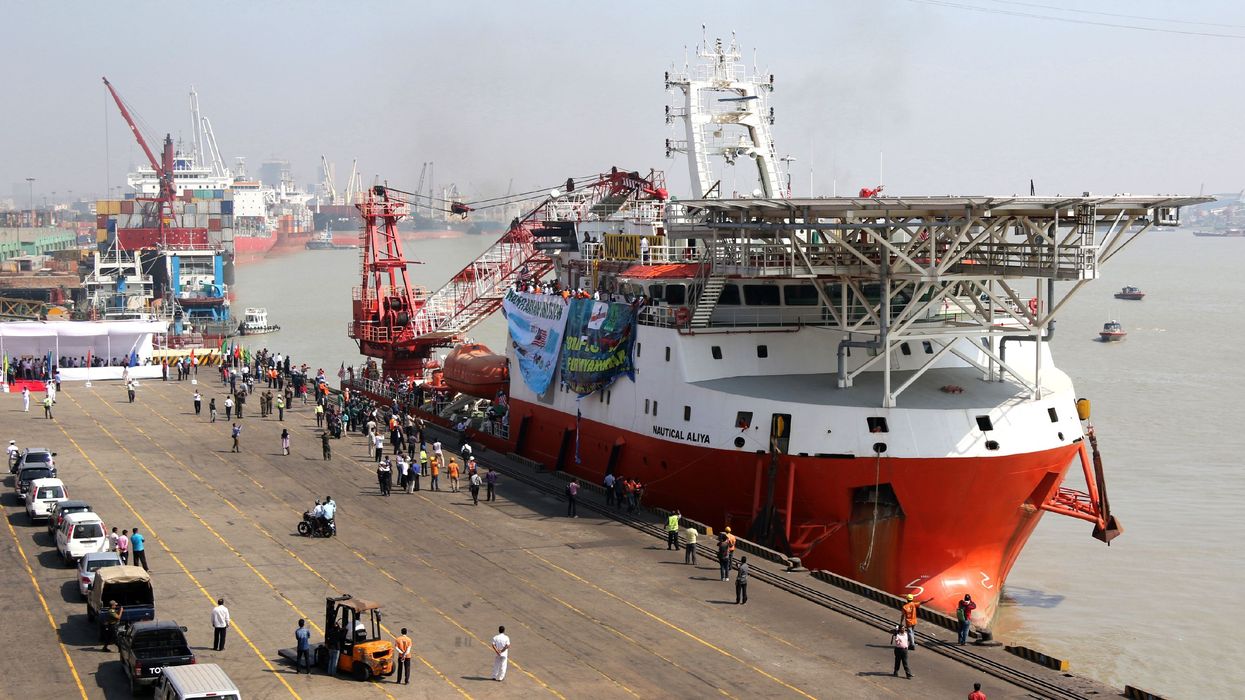
The bulk of the funding – a sum of $650m (£484.8m) – will support the Bay Terminal Marine Infrastructure Development Project, an initiative to expand and modernise port facilities in the southeastern district of Chittagong. The project will include constructing a 6-km (3.7-mile) climate-resilient breakwater and access channels, allowing the port to accommodate larger vessels. This is expected to sharply reduce turnaround times, lower transportation costs, and boost Bangladesh’s export competitiveness.
Officials estimate the improvements could save the economy around $1m (£.7m) per day.
The Bay Terminal is projected to handle 36 per cent of the nation’s container traffic, benefiting more than one million people by improving access to transport and regional markets. The project will also promote women’s participation in port operations and support women-led businesses in exploring trade opportunities.
“To remain on a sustainable growth path, Bangladesh must create jobs for its population, particularly for the nearly two million youth who enter the labour market every year,” Gayle Martin, the World Bank’s interim country director for Bangladesh, said.
The remaining $200m (£179.1m) will go toward the Strengthening Social Protection for Improved Resilience, Inclusion, and Targeting project, which will deliver cash and livelihood services to 4.5 million vulnerable people. Its focus will be on youth, women, persons with disabilities, and workers in climate-affected areas.
The financing comes from the World Bank’s International Development Association (IDA), which has committed more than $45 billion (£33.5bn) to Bangladesh since its independence.