
TOXIC gas and a locked door that barred access to a roof were responsible for most of the deaths in a devastating fire in a Bangladesh garment factory and an adjoining chemical warehouse, a fire official said on Wednesday (15).
The tragedy, which killed 16 and critically injured several more, spotlights Bangladesh’s poor record on industrial safety, despite improvements following incidents in 2012 and 2013 that drew global attention to unsafe working conditions.
Thick smoke rose from the charred structure amid cooling operations by firefighters a day after the blaze on the third floor of a four-storey building in Dhaka, quickly engulfed the warehouse packed with plastic and chemicals.
"The victims could not escape because the roof door was locked," said fire service official Talha Bin Jashim. "Most of them died from inhaling toxic gas, rather than burns."
He added, "There’s still smoke because of the stored chemicals, and the toxic fumes are making it difficult to bring the fire under control."
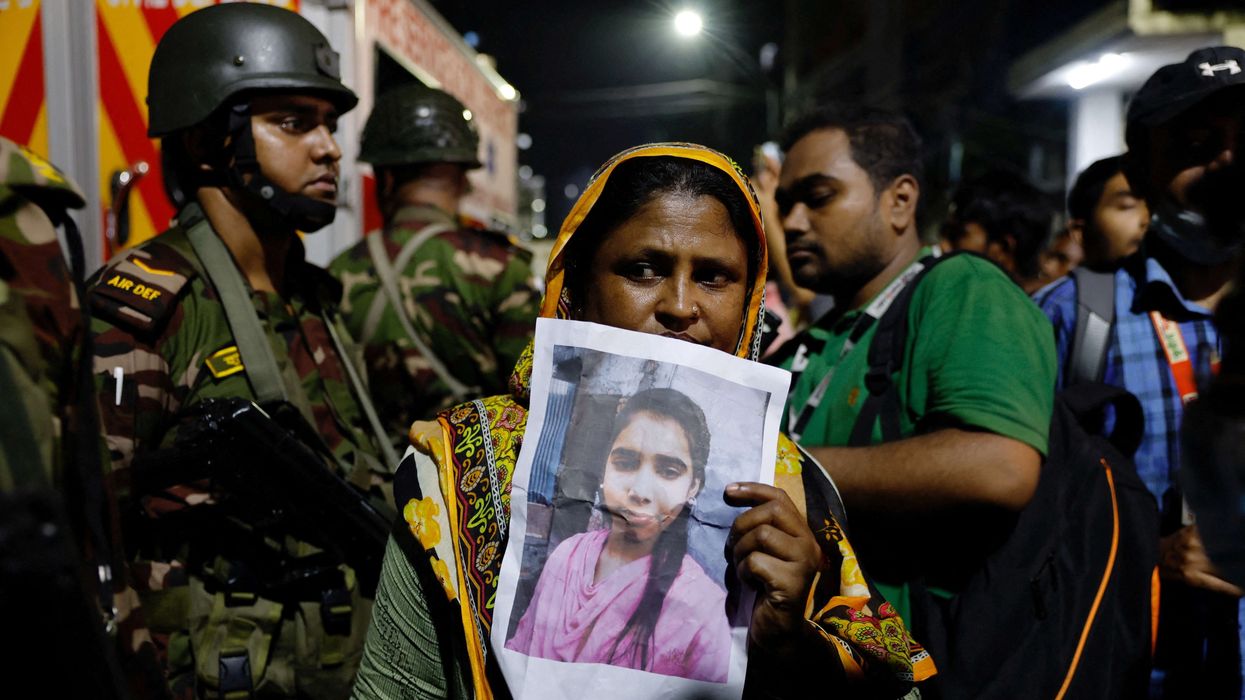
Dozens of relatives waited outside the blackened building, some clutching photographs of those missing. Identification of the bodies, many badly burned, is being carried out at Dhaka Medical College Hospital.
The government has launched an inquiry to determine the cause of the fire and identify those responsible for safety lapses.
Many workers in garment factories nearby fell ill from inhaling the smoke that shrouded the site in the capital's Mirpur area. Authorities later ordered all surrounding factories to shut down temporarily, as a safety measure.
Many small factories and warehouses in Bangladesh operate with little oversight, though conditions in the garment industry have improved since the 2012 Tazreen Fashions fire and the 2013 Rana Plaza collapse that killed more than 1,200 workers.
The world’s second-largest exporter of apparel, Bangladesh supplies major retailers such as Walmart, Gap, and H&M, employing 4 million people and generating about $40 billion a year, or more than a tenth of GDP.
Fires are common in densely populated Dhaka, often caused by faulty wiring, gas leaks or unsafe storage of chemicals.
In 2021, a similar fire at a food processing factory killed 54, while in 2019, a fire in the capital’s old quarter killed at least 70.
(Reuters)