Skip to content
Search

Latest Stories

Submit Guest Post

Auto industry ‘may fully recover only by 2023’

Auto industry ‘may fully recover only by 2023’

INDIAN automobile dealers' body FADA on Thursday (23) said passenger vehicle supplies may get affected further if chip making countries go under lockdown due to the spread of the Omicron variant of the coronavirus.

The industry body, however, noted that it expects the semiconductor shortage situation to normalise by the second half of next year.


"We see the year 2022 as a neutral year as the rise of Omicron has once again created fear globally. This may further impact the supply in passenger vehicles if chip making countries go under a lockdown or prioritise chip making for electronics used for work from home," the Federation of Automobile Dealers Associations (FADA) president Vinkesh Gulati said in a statement.

The FADA anticipates that the second half of 2022 may see supply as well as demand slowly coming back to normalcy, he added.

"Auto Industry may fully recover only by 2023 and come back to its pre-Covid levels if Covid becomes a history," Gulati said.

He, however, noted that the two-wheeler market which continues to face demand headwinds may further go into a slump if a third wave becomes a reality.

FADA represents over 15,000 automobile dealers having 26,500 dealerships across the country.

(PTI)

Add EasternEye As Your Trusted Source
preferred source on google news

More For You

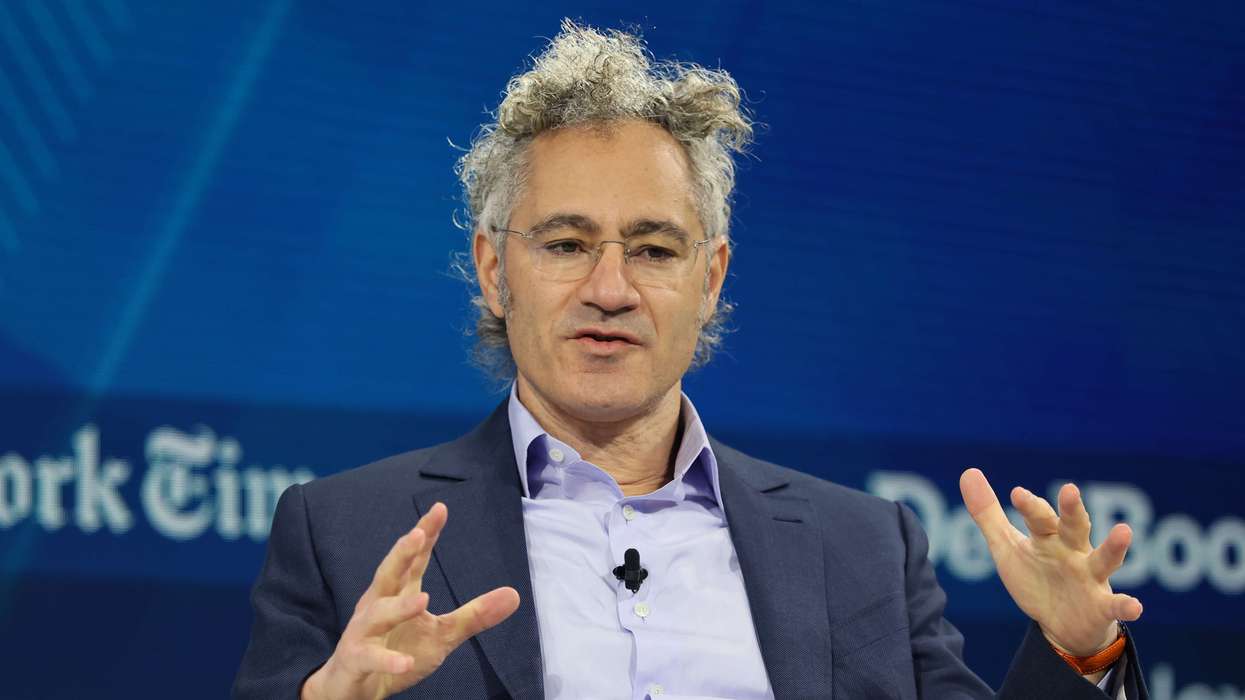
Palantir CEO Alex Karp

Alex Karp says artificial intelligence could deepen wealth inequality even as it transforms the global economy

Getty Images

Palantir CEO Alex Karp says those who'll really get rich from AI are people you wouldn't invite to dinner

  • Alex Karp believes AI will make a handful of people vastly richer while average workers see far smaller gains.
  • The Palantir CEO says the biggest winners from AI may be people most of society cannot relate to.
  • Other business leaders and AI experts have also warned that the benefits of artificial intelligence could become heavily concentrated.

Artificial intelligence may improve living standards, but it could also create one of the widest wealth gaps in modern history. That is the warning from Palantir CEO Alex Karp, who believes the biggest financial rewards from the AI boom will flow to a small group of technology insiders rather than the wider public.

Karp's comments come as the AI industry continues to attract record investment, pushing the market values of technology companies to new highs. The debate over AI wealth inequality has also intensified, with business leaders and researchers questioning who will ultimately benefit from the technology's rapid growth.

Keep ReadingShow less