
PARTITION, for so many people from south Asia, evokes the horrors of the violent and brutal separation of India and the creation of Pakistan.
Less mentioned, however, is life before 1947, when people from different cultures and religions lived side by side largely in harmony for many years.
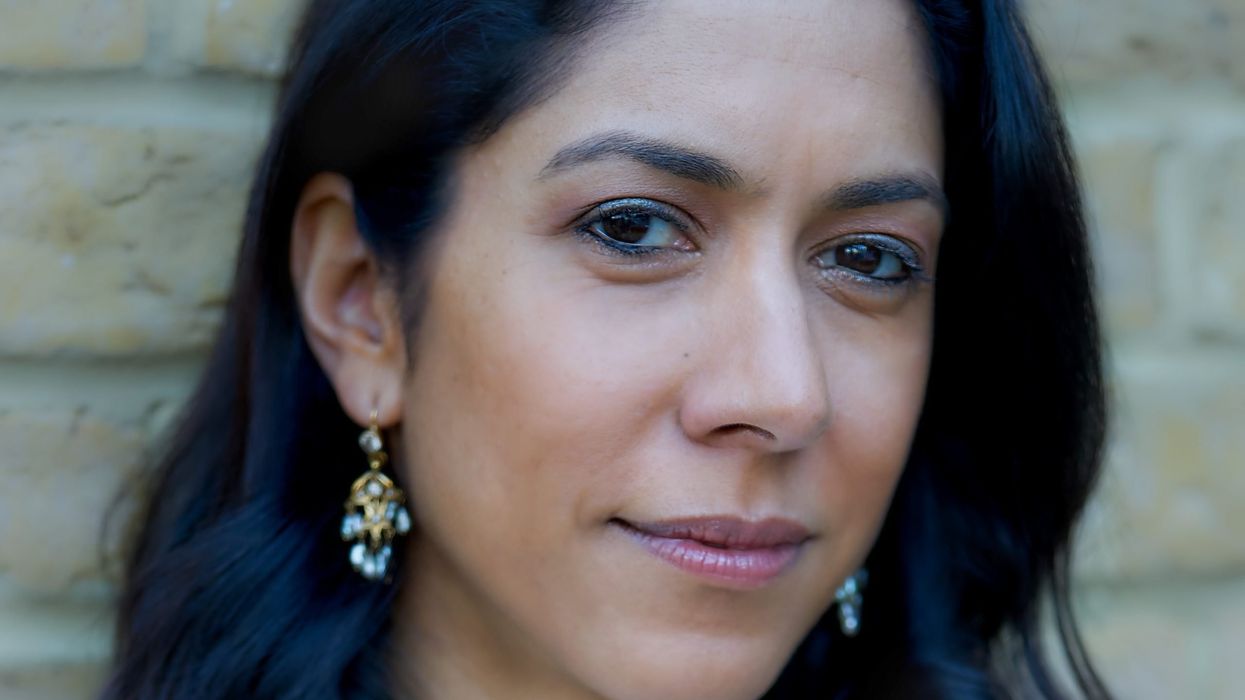
Author Kavita Puri, who spoke to south Asians who lived through this period for her book, Partition Voices: Untold British Stories, described the pre-Partition years as a “nuanced time”.
Puri will take part in a series of events across the UK to mark 75 years of India’s independence and Pakistan’s creation next month. They have been organised to also commemorate 75 years of Partition by restaurant group Dishoom, in conjunction with Puri.
She told Eastern Eye on Monday (18), “If you talk to the generation who lived through it, they don’t just remember the tough times. They remember their best friend who was someone of the other religion, they remember mixing with people of other religions, it was very normal.
“You celebrated festivals together, weddings, they were happy times. And so, it’s a much more complicated story than perhaps we are led to believe.
“That’s why stories from that generation are important, because they show a very nuanced time, and not really the narratives we have been led to believe today.
“Partition was devastating, you can’t deny that. But there was also unity.
“If you were Punjabi or Bengali (living in pre-partition Punjab or Bengal) your language was the same, food was the same, your traditions were the same.
“A Punjabi Muslim, a Punjabi Sikh and Punjabi Hindu living in the same place may well have had more in common with each other than someone from a different province of the same religion.”
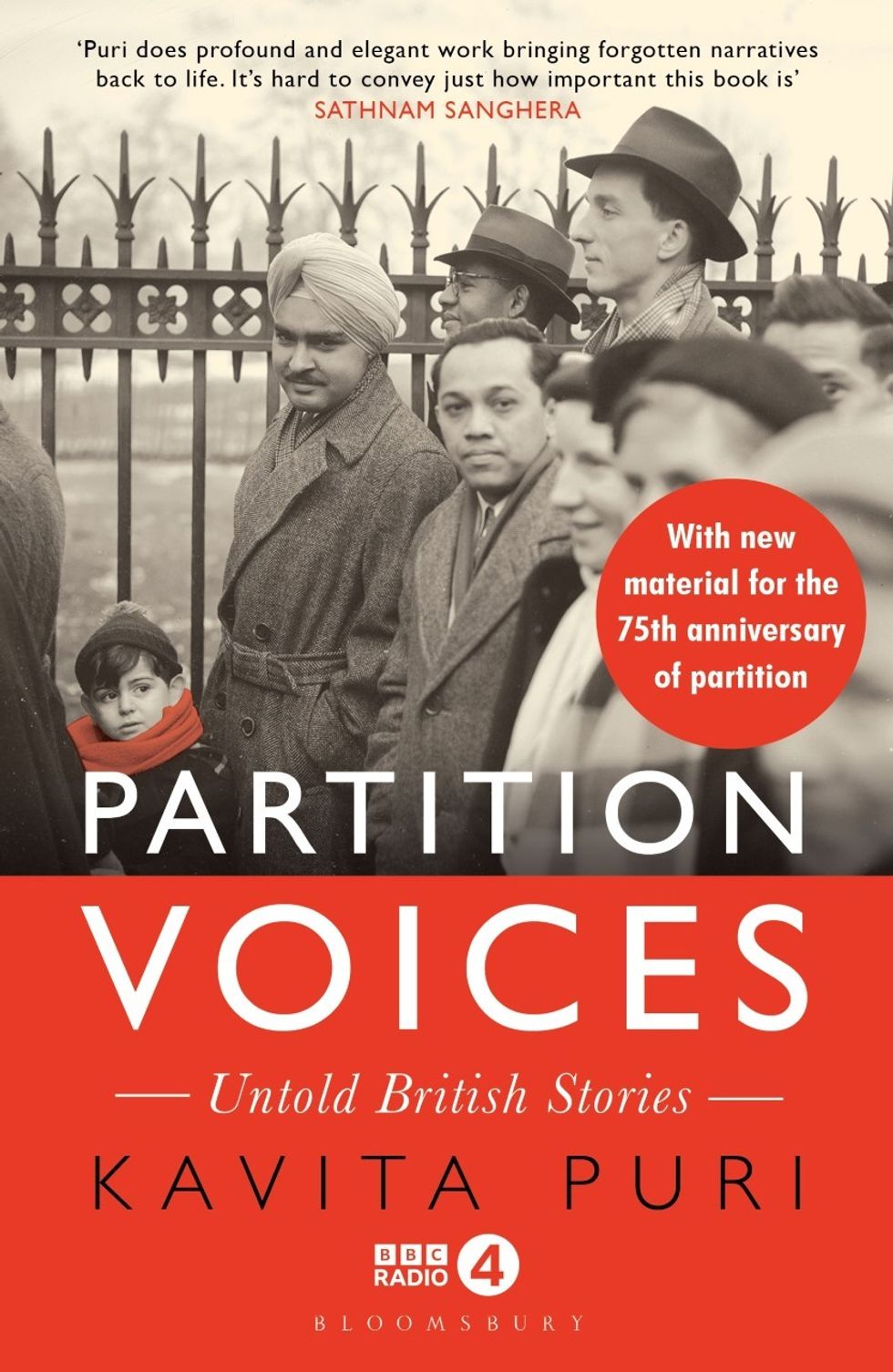 Her new book
Audiences at the 75 Years events will get to hear first-hand accounts from those who lived through Partition. There will be live music from Soumik Datta, while Puri and Dishoom co-founder Shamil Thakrar will front the chat.
“I did a session at Cheltenham Literature Festival with Shamil. He was curating a big chunk of it and it was all about the legacies of empire. That was the first time I met him,” Puri said.
“I found we have a shared interest in history, and then he proposed doing something to mark the 75th anniversary, but in a way that combines our shared
history, with food and music.
“The emphasis is on our shared history. We’re all sharing food, it doesn’t matter who we are, we’re sitting side by side.
“We will be speaking to people who lived through the time of independence and Partition, hearing their stories, which again, are very nuanced.
“They are traumatic, but they’re also remembering a time where people lived happily, side by side. And we’ll also be talking to people from the third generation about the legacy, about empire and the impact of Partition on their lives today in Britain.”
During her research for the book and her award-winning BBC Radio 4 series of the same name (which won the Royal Historical Society’s Radio and Podcast Award and its overall Public History Prize), Puri realised “these stories were all around Britain”.
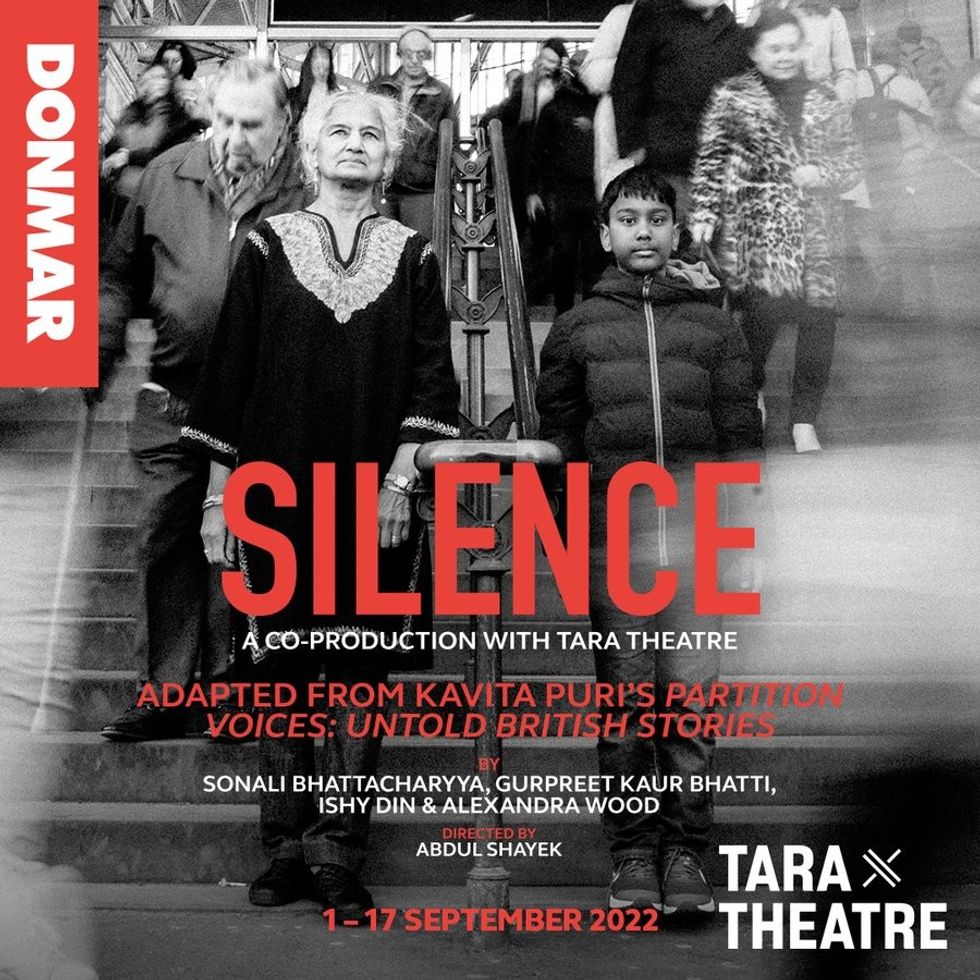 Her book is being adapted into a play
She herself has a direct connection to Partition through her father.
“He was born in Lahore and his family migrated to India when he was 12, but it wasn’t really something he talked about.
We only spoke about it in the final months of his life. I’d always try to talk to him about it, but he didn’t really want to and so I kind of left it, really.
“I think it was painful for him, but I also think he was also trying to protect us. He wanted us to grow up and live happily side by side and respect other people and their religions. He didn’t want to expose us to what the extreme elements can do, which as we know, was horrific.”
She added: “It’s his story, but it’s my story and it’s my children’s story as well.
So, it’s really important for my own family history that I capture that because part of
my history is in Lahore as well.”
With so many of those who lived through Partition dying, Puri said it was more important now than ever before to record their stories.
“We have to hear these stories. We still have time, just about, but that generation is dwindling,” she said.
“But I am heartened to see how the younger generation – particularly the third generation – are really interested in their histories. They want to understand it, want to know their family history before their ancestors came to Britain. They want to understand that maybe they thought they came from India or Pakistan, but maybe their story begins in another country.
“They feel comfortable in terms of their identity – that maybe their history is in both India and Pakistan.”
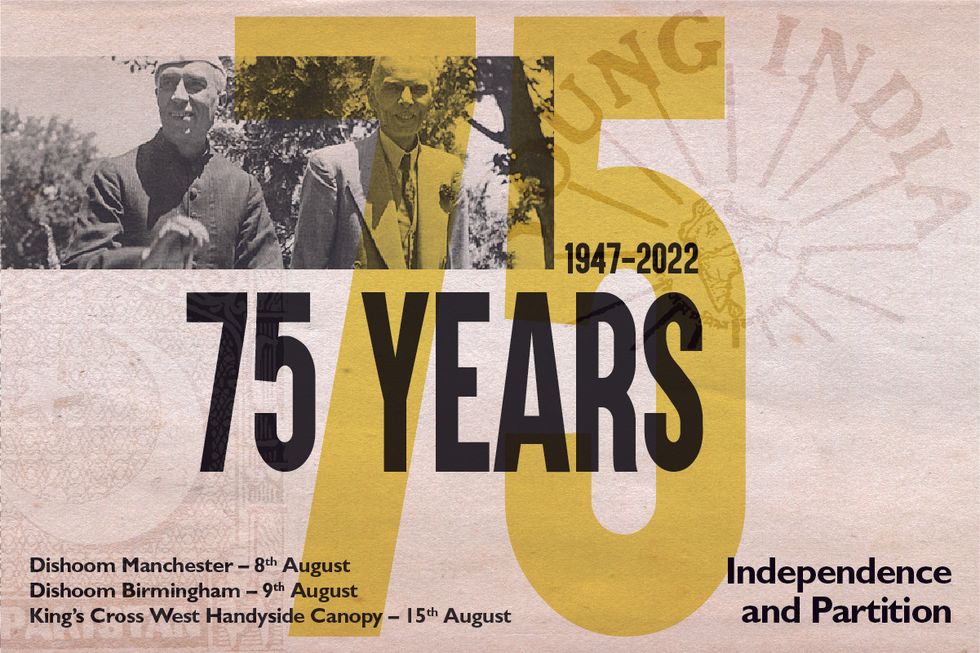 The events planned to mark 75 years since the British left the Indian subcontinent
Puri will be looking at what Partition means to the third generation of British Asians in her new BBC Radio 4 programme, Inheritors of Partition, which will be broadcast on August 8.
She told Eastern Eye she believed the history of Partition should be made part of the curriculum and taught in schools.
“When I was doing my research, some people didn’t know about Partition, they didn’t even know what the word meant. Others weren’t aware the British were in India. They didn’t know it was their own family story,” said Puri. “I’m not surprised. Why would they know? Because if their families are not talking about it, and they’re not taught about it in schools, how would they know?
“I think Partition and the British empire should be taught because if you don’t understand empire, if you don’t understand Partition, how can you understand the migration that took place in the post-war years when Britain looked to its former colonies, to ask people to come to help rebuild the country after the Second World War? How can you understand why there are millions of people with south
Asian heritage in Britain today?”
Puri’s work on shedding light on Partition will continue with her book currently being adapted into a play called Silence, which will run at the Donmar Warehouse in September in a co-production with Tara Theatre.
She said, “It’s possible for people of different faiths to live side by side and (in undivided India), they did so for many generations and a border cannot erase those memories.
“That’s not to say that there weren’t many, many people who wanted Partition and who wanted Pakistan. It’s not about that. It’s about remembering a time where people did coexist and had genuine friendships and love for people of different faiths.
“Once that generation dies, we will only read about it in history books, so they are still our connection to that time.”
An updated edition of Partition Voices: Untold British Stories is available from Thursday (21).
75 Years events:
August 8: Dishoom Manchester, £50
August 9: Dishoom Birmingham, £50
August 15: The 75th anniversary of Indian Independence – Dishoom King’s Cross,
under the West Handyside Canopy, £30
www.dishoom.com/75years for tickets