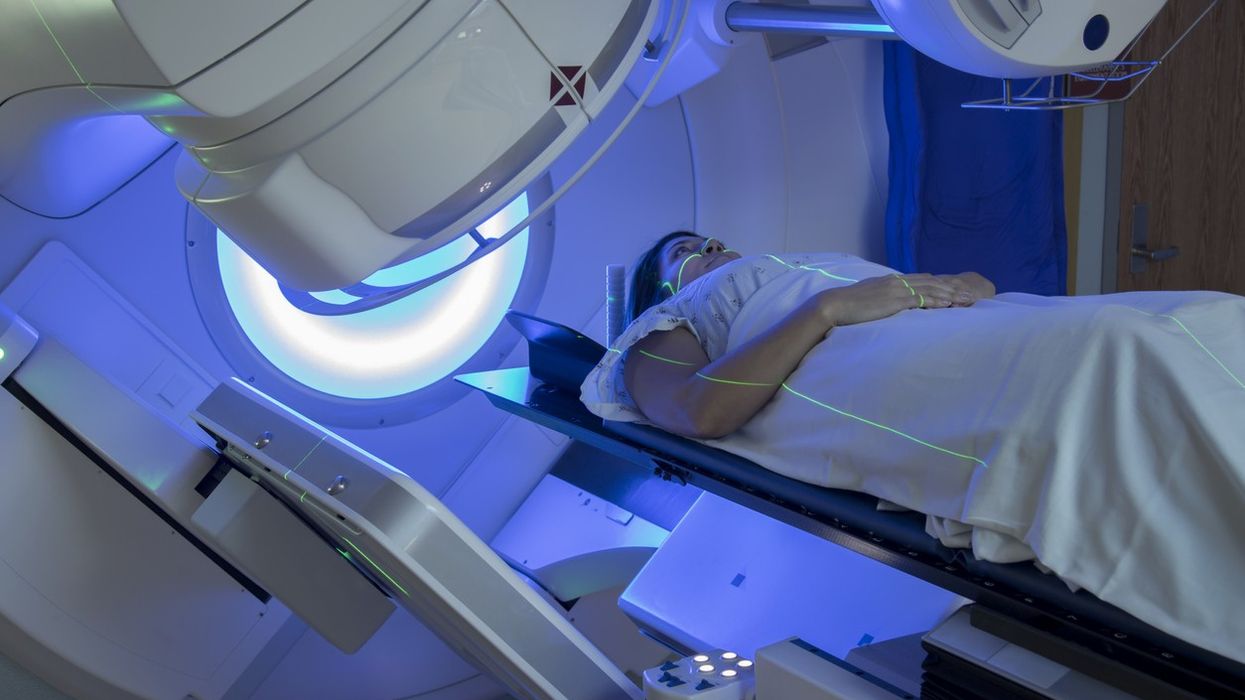
Asians have to wait five days longer than white people for cancer diagnosis in England in what campaigners call “absolutely unacceptable” racial inequality.
The median waiting period for a white person for diagnosis after presenting symptoms to a GP is 55 days and it is 60 days for Asians, a review of the primary care database by the University of Exeter and the Guardian revealed.
This means the median waiting time for Asians is nine per cent longer than for white people. It is still worse for black people who have to wait for an average of 61 days for diagnosis.
The relative delay could leave ethnic minorities more vulnerable to complications with fewer treatment options in the initial stages.
The analysis of data from 126,000 cancer cases in England between 2006 and 2016 covered the four most common cancers – lung, breast, prostate and colorectal – and three commonly diagnosed types in ethnic minorities: oesophagogastric, myeloma and ovarian.
It found that ethnic minority people wait longer than white patients for the diagnosis of six out of seven cancers. The difference in waiting time varies widely.
White people have to wait for 53 days to get a diagnosis for oesophagogastric cancer, while it is almost double (100 days) for Asians.
In the case of myeloma, the third most common type of blood cancer, the median wait time for white people is 93 days. For black people, it is 127 days.
For lung cancer, however, the median wait time is 129 days for white patients, 115 days for Asian patients and 103 days for black patients.
Race Equality Foundation chief executive Jabeer Butt said findings were “not surprising”, although they were “deeply worrying, with potentially life-altering consequences for the health of black and Asian people.”
He told the Guardian there was an urgent need to address the “underlying factors holding black and Asian patients back from getting a fair chance when it comes to fighting cancer.”
University of Exeter researcher Tanimola Martins said the analysis helped explain the reasons for “poorer outcomes for some cancers” in ethnic minority patients.
Asians and Black patients in England wait longer than white people for cancer diagnosis
The median waiting period for a white person for diagnosis after presenting symptoms to a GP is 55 days and it is 60 days for Asians