
EXISTING laws do not offer adequate protection for workers from Asian, black and other minority groups, who experience higher levels of “sick-shaming” by employers as well as worse health outcomes owing to work related stress, according to a new report.
Titled Too Poor to Be Sick: Race, Work and Ill-Health, the Race Equality Foundation’s study also showed that although black and Asian workers experience good health while young, as they get older, unequal application of existing employment rights law leads to deterioration in wellbeing.
Without urgent intervention, the report said “early economic exit of fastest-growing segment of UK workforce threatens productivity and widens health inequalities”.
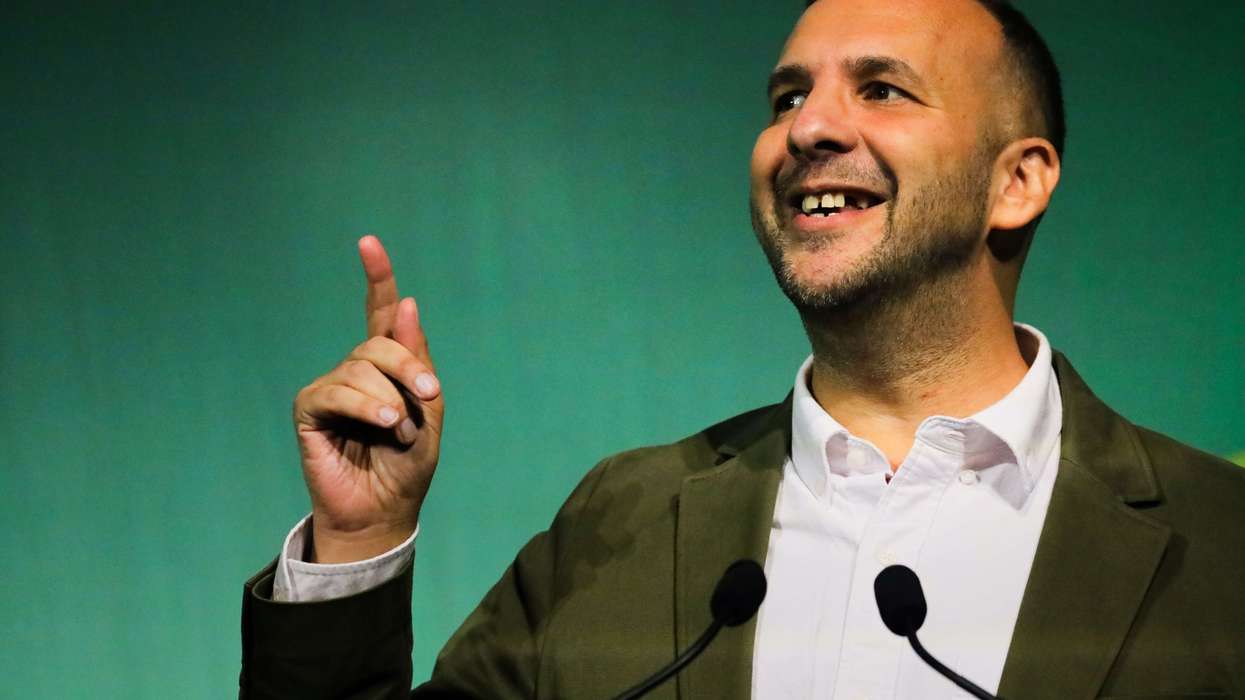
Jabeer Butt, CEO of the foundation, told Eastern Eye Britain needs an anti-racist approach to employment legislation enforcement.
While he welcomed the policy reviews of the Employment Rights Act 2025, he said, “If you don’t have a race equality lens applied to it, fundamentally it doesn’t work.”
He cautioned against treating the workforce as racially uniform.
“We know that if you’re fearful of losing your job – you can have as many rights as you like – you’re not going to exercise them... if your worry is that as soon as ‘I raise a question about my treatment, my employer may actually decide to let me go, rather than address the issue I’m dealing with’.”
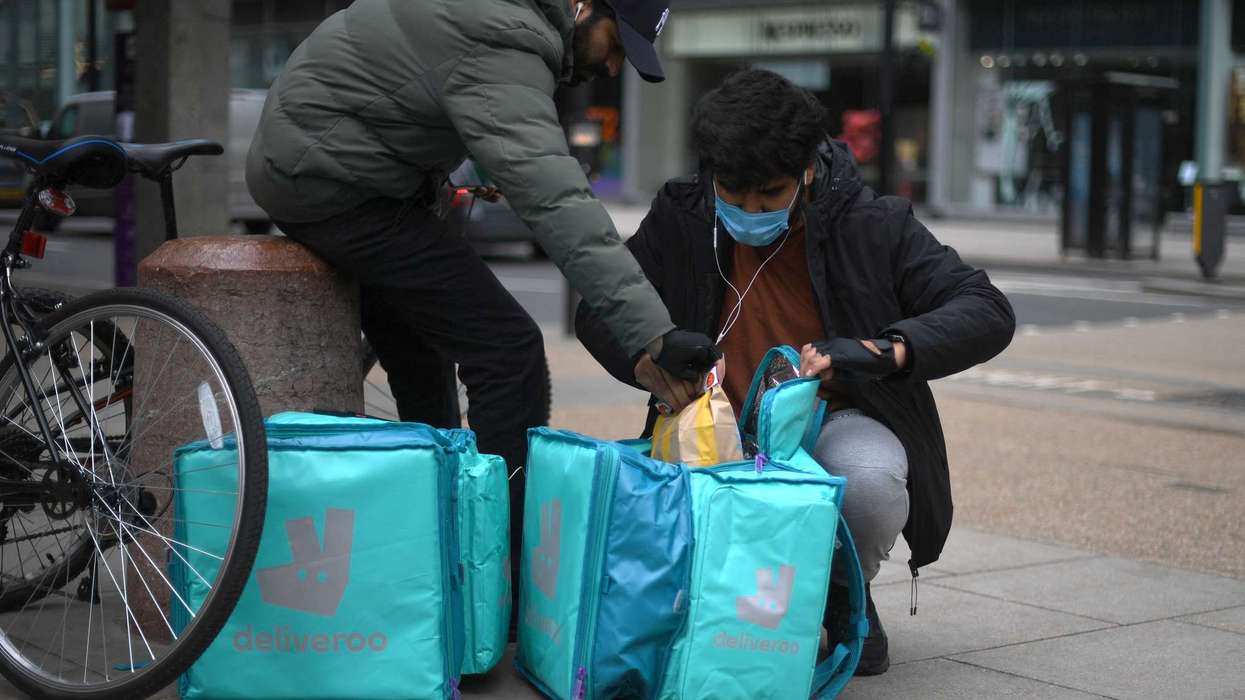
A key finding of the research was the disproportionate concentration of black, Asian and minoritised ethnic workers in low-paid, high-risk jobs in social care, retail and hospitality. Typically, these industries are characterised by high physical demands, greater exposure to hazards and a lack of access to workplace protections.
Many minority employees are also unaware of, or reluctant to seek existing support to stay on in their jobs or resume work after their health has improved, the report found.
Women workers from a minority background, especially, were at the sharp end of racial prejudice, as they are also expected to be majority caregivers at home despite suffering setbacks in health, the survey showed.
Butt recalled how, previously, structures that would ensure employment laws were implemented and followed “have been fundamentally undermined over the last 15 years, such as industrial tribunals, which were always very difficult to take forward”.
“Therefore, if you are going to exercise your rights, it’s very much going to fall on your own shoulders (to do so). The structures around you are going to necessarily help,” he said.
One participant in the research said, “You always think 10, 10,000 times or 100 times before you open your mouth… because people usually will see you as this person is always asking questions or could be a troublemaker”.
The report noted how at younger ages, people from black, Asian and minoritised ethnic backgrounds generally report similar or better overall health than their white counterparts. However, it added, from mid-life onwards, particularly after age 50, these groups experience a more rapid decline in health and higher prevalence of long-term conditions, with differences becoming especially pronounced in later life.
It cited a review [Hayanga et al, 2023] which suggests that while minoritised ethnic groups experience lower multiple long-term conditions (MLTCs) in early adulthood, they face earlier onset of MLTCs than white people, which commonly emerge in their forties and fifties. They are also more likely to live for longer with these conditions once they occur.
Butt also noted the roles played by women workers from minority communities at home and in the labour market and the setback they face when taking time off to have babies and raise families.
“We don’t often recognise the significance of work that Asian and black women actually make for many migrant families, including my own. It was women’s work that made sure we survived, economically,” he said.
“We know, for example, career breaks are significantly associated with you not progressing up the promotion ladder in lots of occupations; it has a detrimental impact.
“Yet, we’ve allowed a system to grow that then penalises you for doing something that’s fundamental to any society, if it wants to survive.”
 Jabeer Butt Eastern Eye
Racial bias was also a reason for under investment and research into women’s health, Butt said. “We pay much more attention to prostate cancer than we did to breast cancer for very many years.”
In the UK, statutory sick pay (SSP) is among the lowest in the OECD as it covers about 27 per cent of a full-time minimumwage earner’s income. Few workers also receive early occupational-health support.
The report said it does not consider how these deficits intersect with racism.
“Ethnicity appears largely as a descriptive variable, rather than as a determinant of unequal access to protection,” the survey found.
While the Employment Rights Act 2025 has eliminated some barriers to accessing SSP, such as the lower earnings limit and waiting periods, the flat rate of SSP remains too low to prevent financial hardship, according to the report.
“This creates a ‘sick pay penalty’ that forces workers into presenteeism – attending work while unwell because they cannot afford to take time off.”
In contrast, while occupational sick pay (OSP) provides a more liveable level of support, it is not a benefit to which many minoritised ethnic workers have equal access. “Thus, those with the highest risk of work-related illhealth often have the weakest financial safety net,” according to the report.
Butt said, “It’s shocking to have to remind yourself, this is 2026 or 2025 when the report was conducted. We’re not talking about even the 1970s. We are a modern country that’s the fifth or sixth richest in the world.
“Yet we have situations where people are too scared to say they’re ill and that they need time off from work, not only because they fear they’re going to lose their job, but they fear that it’s going to mean such economic hardship that they or their families will not be able to cope with that.”
He called on the government to do more in helping workers from minority communities.
“It has to invest in things like childcare that is organised in such a way that women who want to work are able to, but it doesn’t create a situation that is the only choice they have – you either work or your family experiences poverty,” Butt said. “Until we address that, we’re going to continue to face challenges.”
He added, “Inevitably, employers need to do better as well.”
The Race Equality Foundation will also work with trade unions and other community organisations to ensure people understand their rights. Butt reiterated “getting a race equality lens to workers’ rights”.
“The government should be publishing data around who is accessing sick pay and occupational health, because that will give us some ideas as to what’s going on, and will allow us to benchmark as well. We’ll be able to see those organisations, employers and industries that are doing better and those that aren’t doing well,and be able to target our work accordingly.”