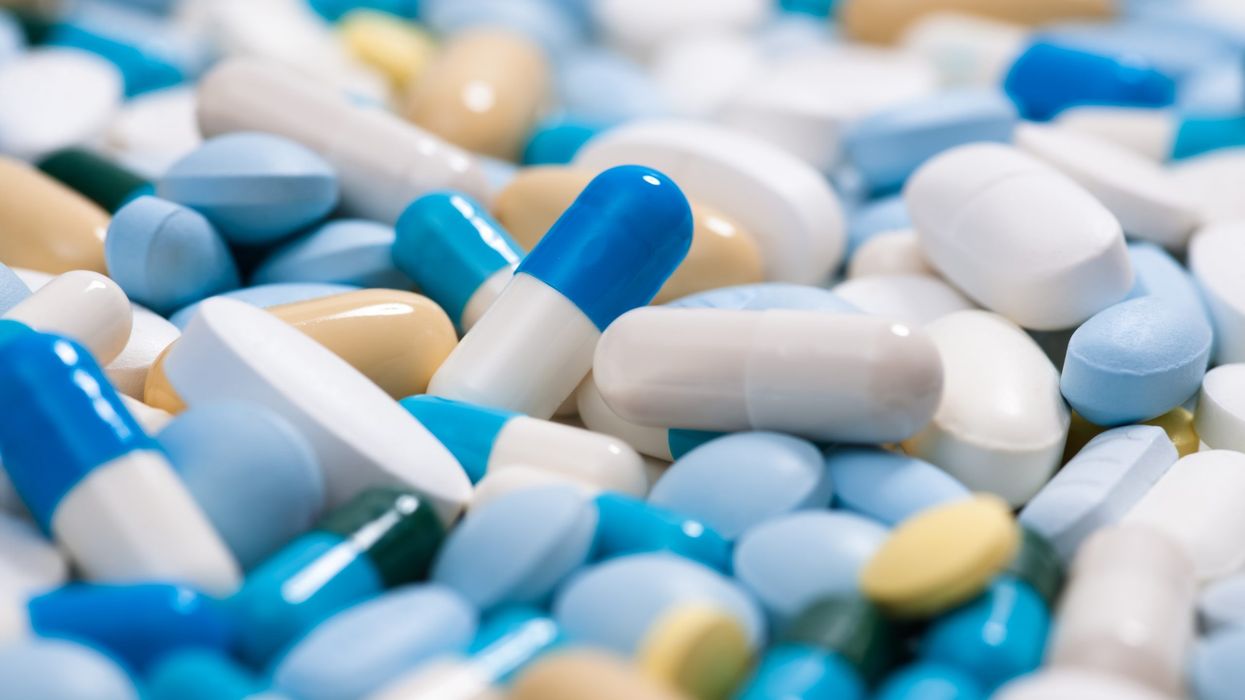

The NHS says antibiotics are usually prescribed to treat and prevent bacterial infections. They work by killing bacteria or preventing them from spreading.
However, antibiotics are powerful drugs and though they are generally safe and very helpful in fighting disease, sometimes antibiotics can actually be harmful, says Cleveland Clinic.
Additionally, new research has discovered that giving children antibiotics may increase their chances of developing asthma in adulthood. Experts say antibiotics can kill healthy gut bacteria which could lead to this deadly condition, The Sun stated.
According to the National Library of Medicine, asthma, one of the most common chronic diseases of childhood, is estimated to affect 1 in 4 urban children in the developed world.
Experts suggest that the reduced exposure to bacteria and viruses probably delays the development of the immune system and thereby promotes atopic immune responses (which is when your immune system is more sensitive to common allergic triggers).
Gastrointestinal flora is important for developing a healthy immune system with resistance to allergic sensitization. Therefore, experts suggest that antibiotic exposure in early life could increase the risk of atopic diseases through altered microbial exposure.
As antibiotic exposure in childhood is associated with allergic diseases, it is an additional reason to decrease unnecessary antibiotic usage in children, experts advise.
Consequently, scientists have warned doctors to avoid prescribing antibiotics to young children whenever possible, reports The Sun.
According to data from the NHS Business Service Authority (NHSBSA), antibiotic prescription in young children is at the highest levels in five years.
Martin Blaser, director of Medicine at Rutgers and senior author of the study is reported to have said that giving children antibiotics may increase the risk of “significant, long-term problems with allergies and asthma.”
In the study (published in Mucosal Immunology) which involved giving both adult and newborn mice antibiotics and observing their reactions to various allergens, it was discovered that only the baby mice were left with asthma or allergy issues.
This study evidently provides "strong evidence that antibiotics cause unwanted immune responses" in children, said Timothy Borbet, lead author of the research.
However, according to researchers, the findings for adults differ. It was found that the adults who receive antibiotics in later life are no more likely to develop asthma or allergies than those who don't.
The Sun reports around five million Brits live with this condition that can trigger breathing difficulties and potentially fatal attacks.
Also, around 75,000 Brits a year are hospitalized for asthma and four people are reported to die every day from an asthma attack.
Additionally, earlier this month, researchers discovered that in the UK, a million people are using the wrong inhaler for asthma, and this could increase the risk of a deadly attack.
Experts say antibiotics are likely to be prescribed when a bacterial infection doesn’t clear up, and when there is a risk that you could infect others with your infection. Also, antibiotics have no effect on viral infections such as Covid, colds, flu, most coughs, sore throats, and ear infections in children.





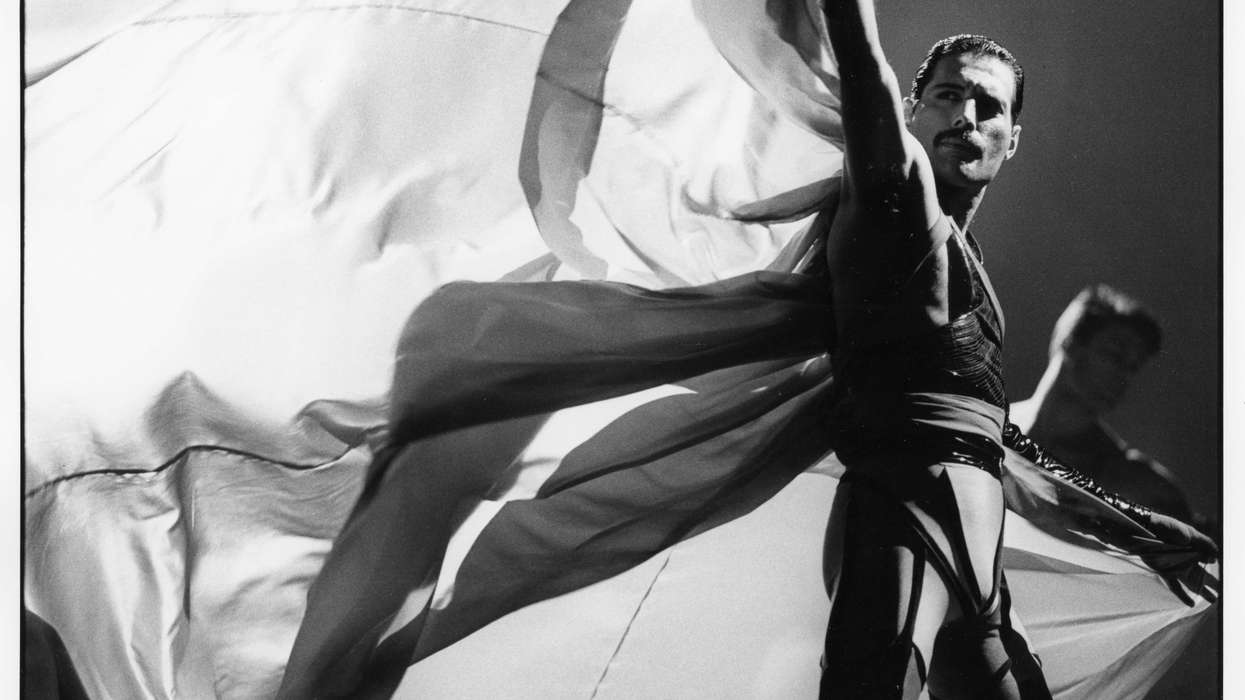
 Freddie Mercury in the Made in Heaven music videoSimon Fowler © Mercury Songs Ltd
 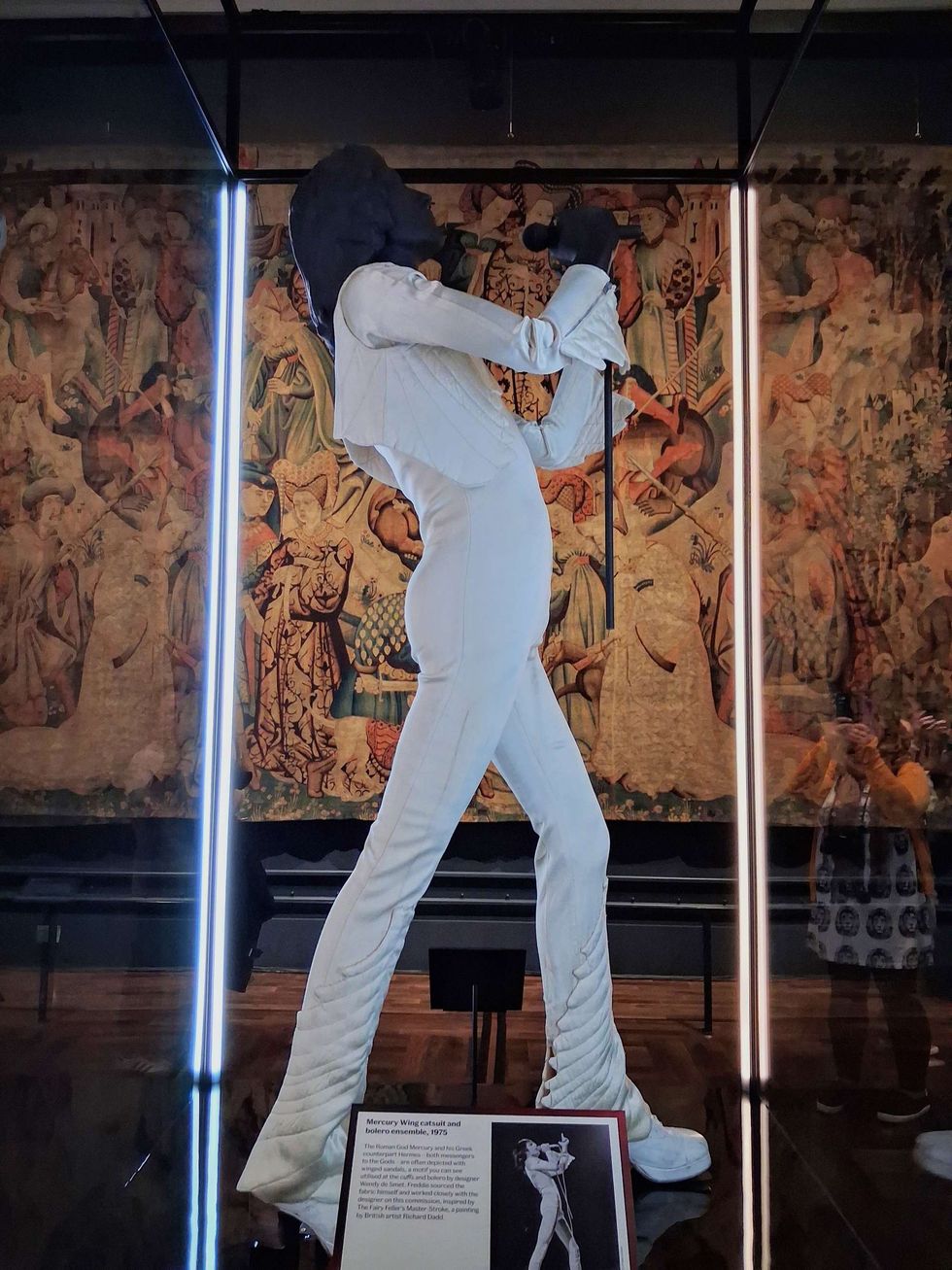 Mercury Wing Catsuit and bolero ensemble (1975)Amit Roy
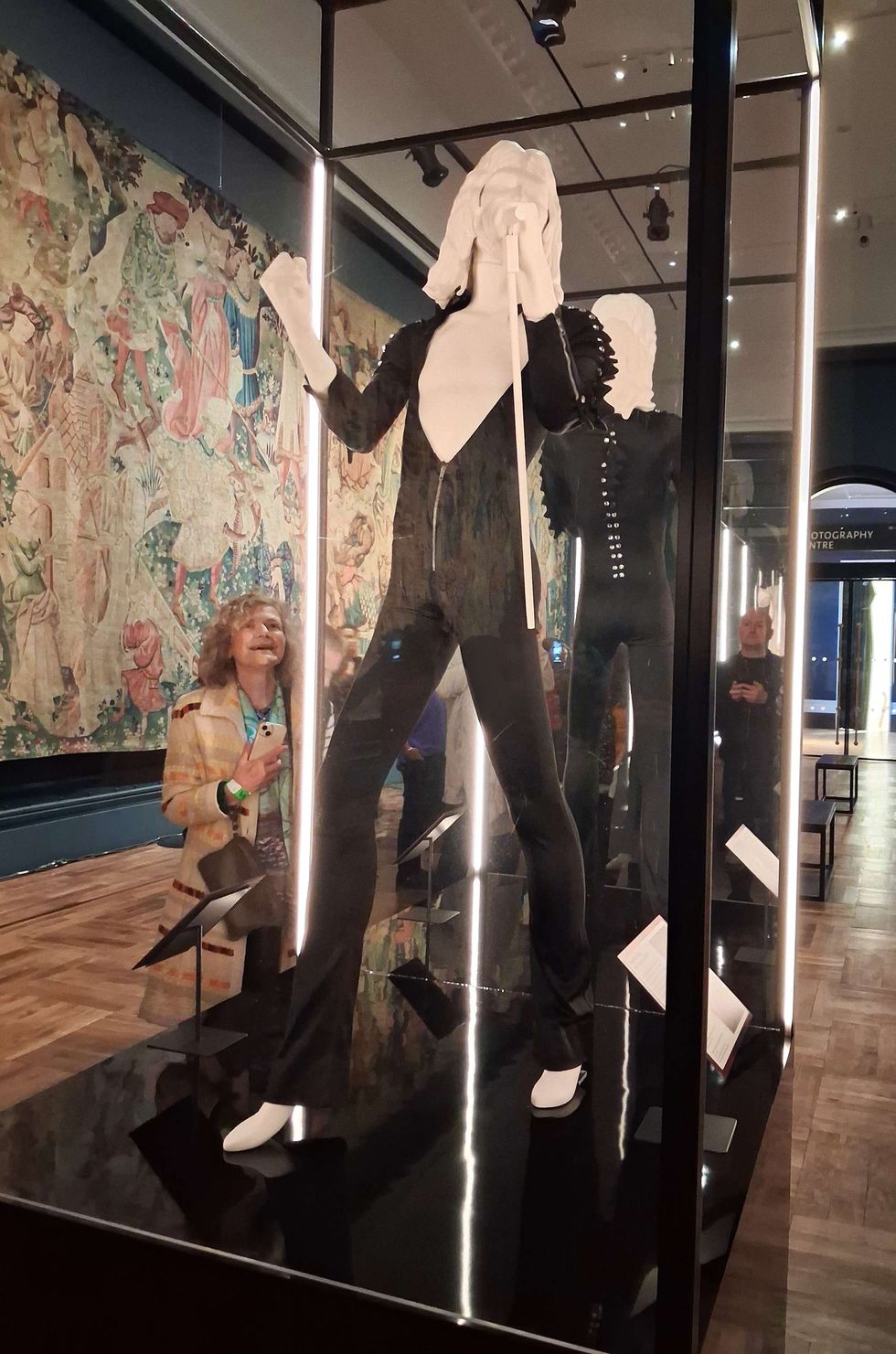 Designer Wendy de Smet with the spine suit or the Black Queen suit from 1975 Amit Roy
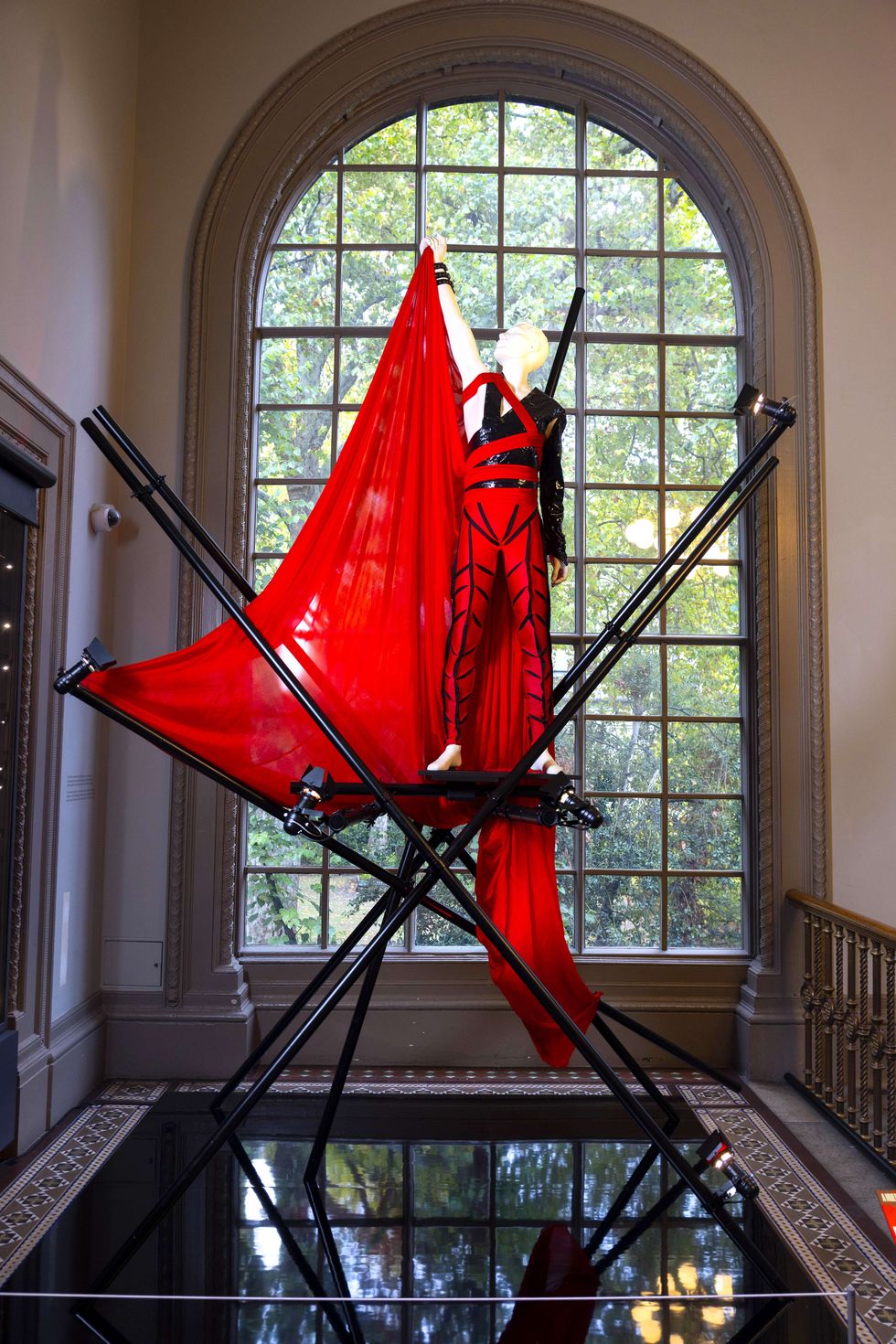 Made in Heaven music video costume (1985) David Parry/V&A
 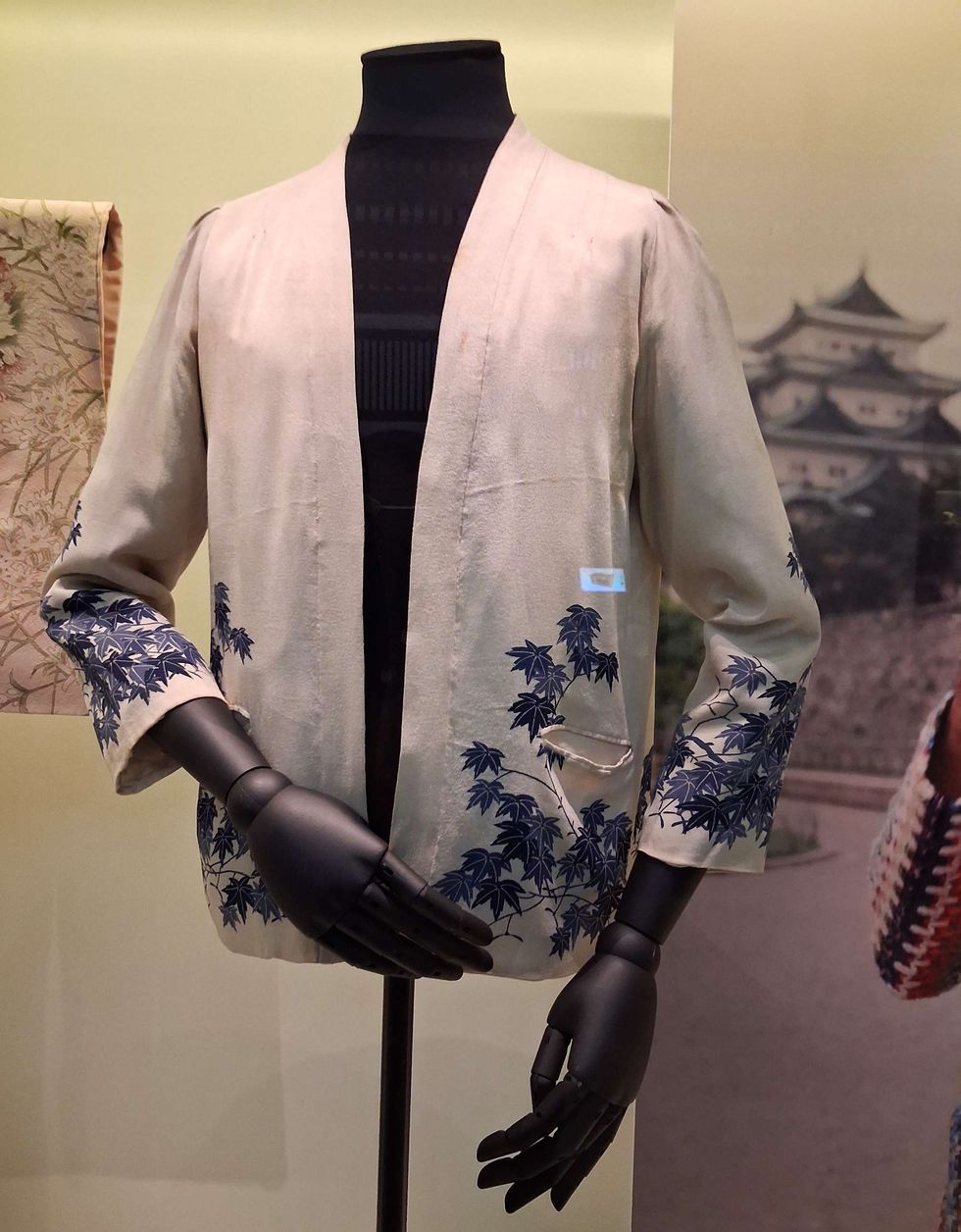 Japanese jacket (early 1970s)Amit Roy
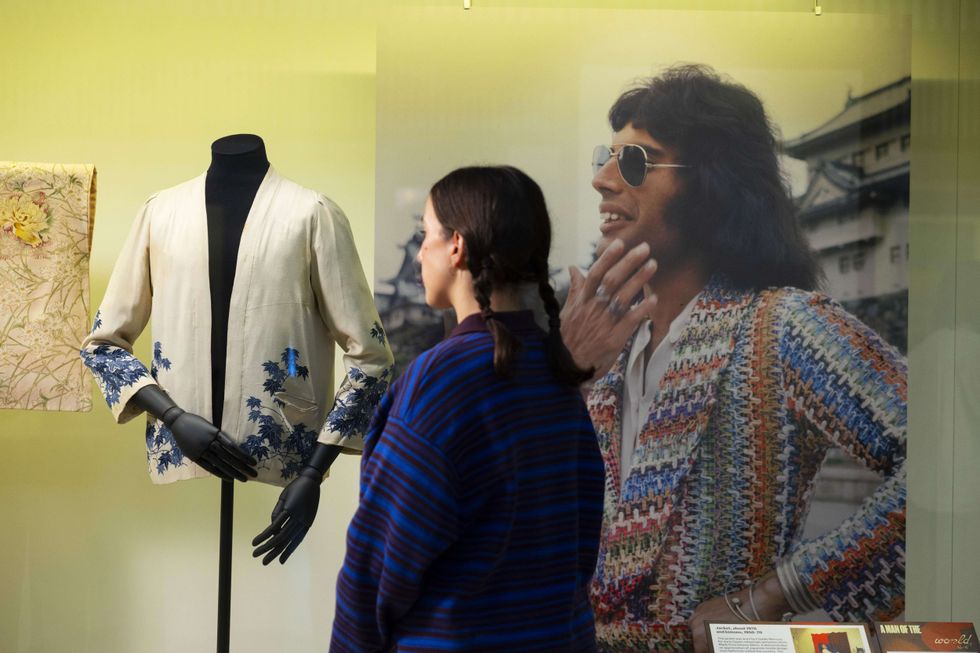 Japanese jacket (early 1970s) and kimono (1950-70) David Parry/ V&A
 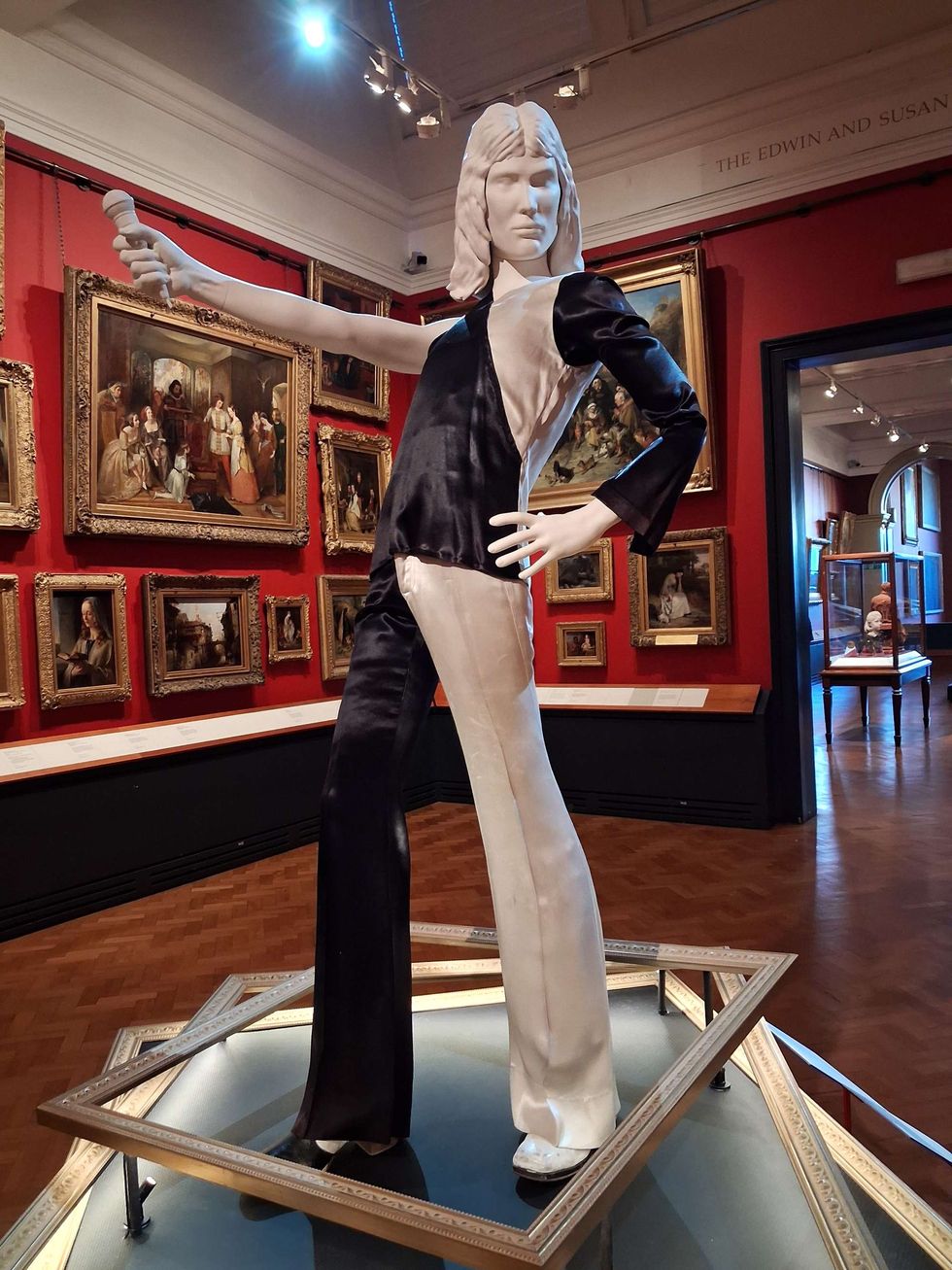 Ensemble worn for Imperial College gig in 1973Amit Roy
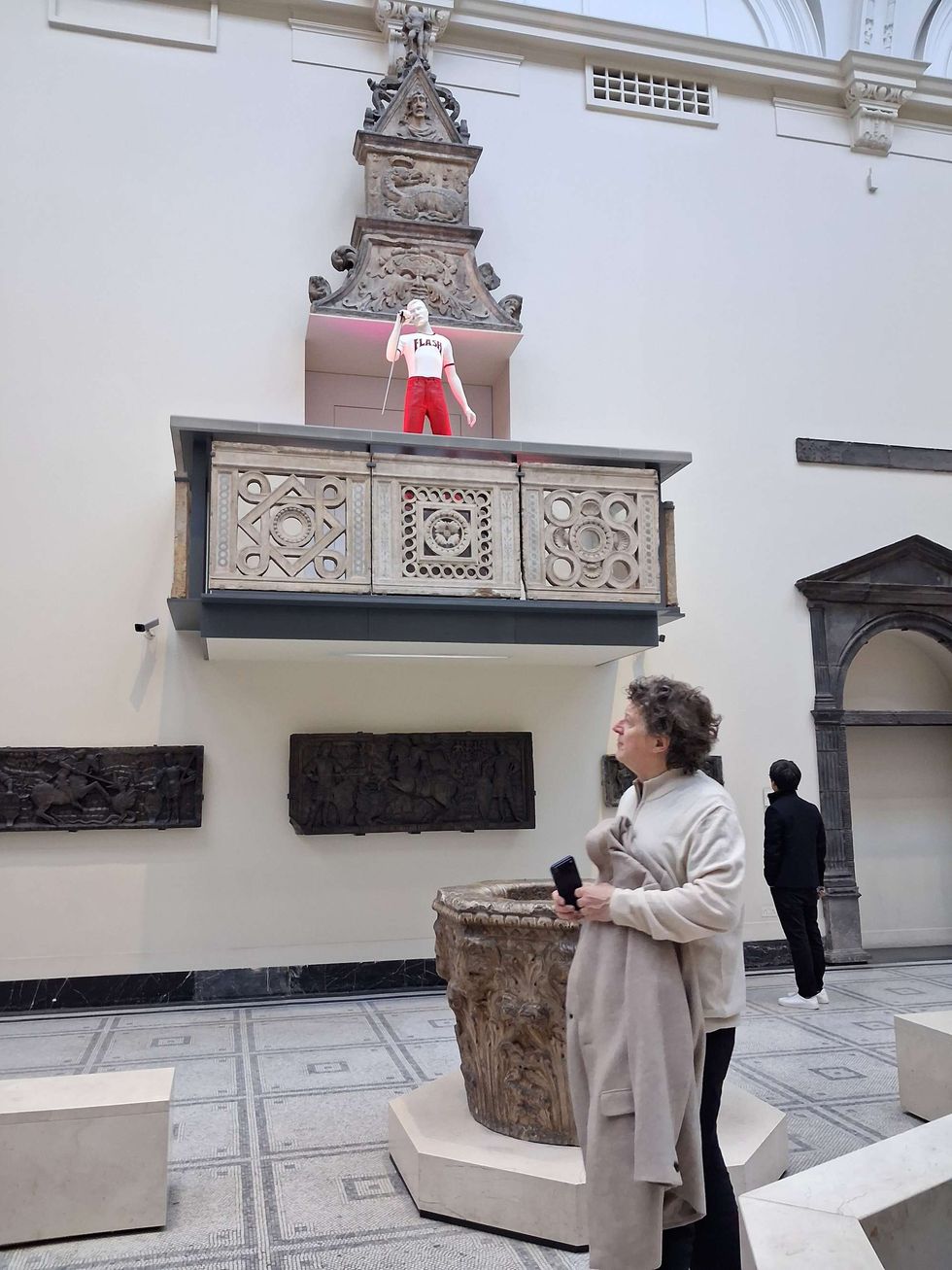 Flash ensemble and half mic (Flash Gordon 1980)Amit Roy
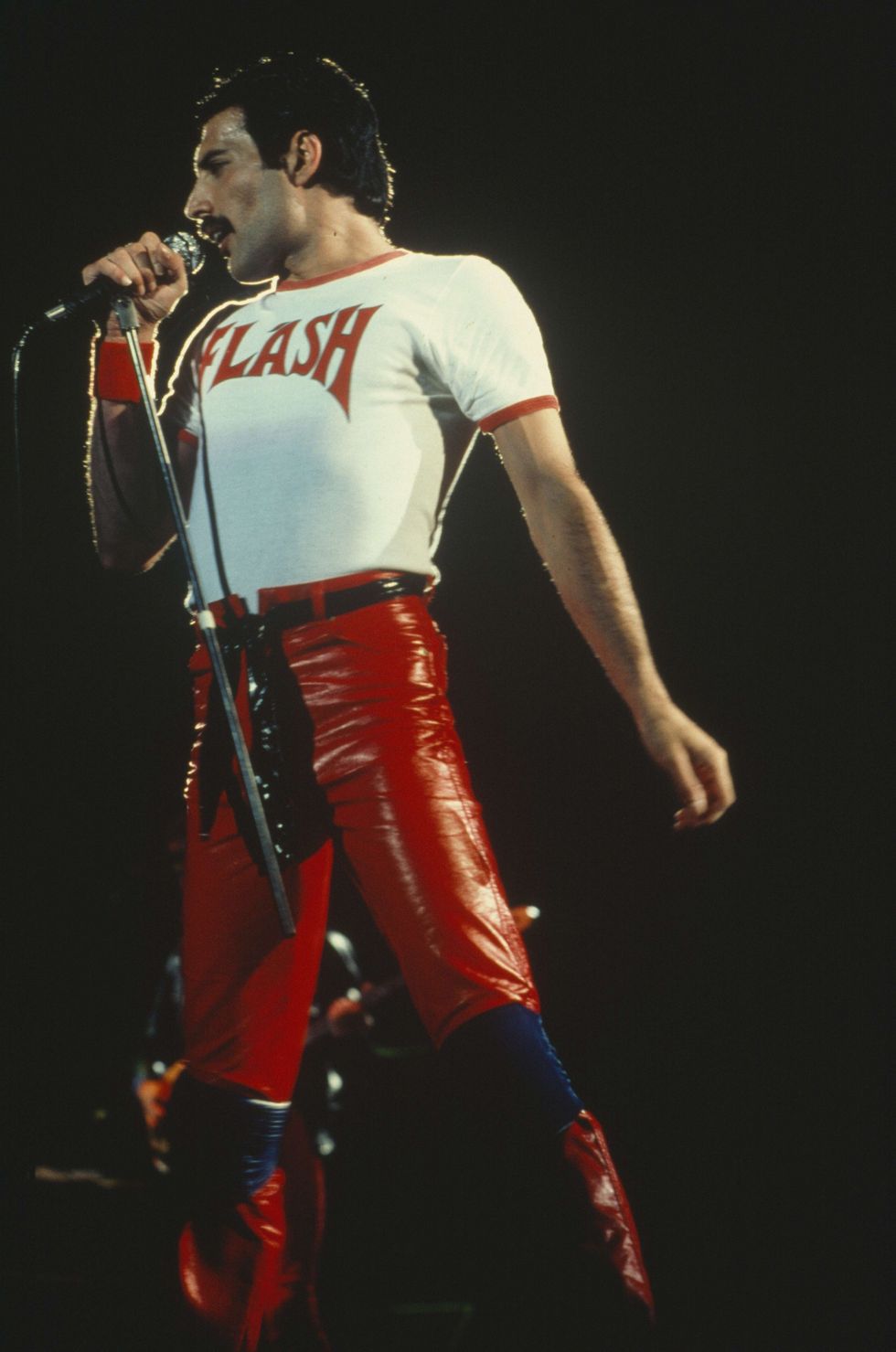 Freddie Mercury performs wearing a 'Flash' t-shirt at Sports Arena in San Diego, California, United States, on 5th July 1980David TanShinko Music/Getty Images
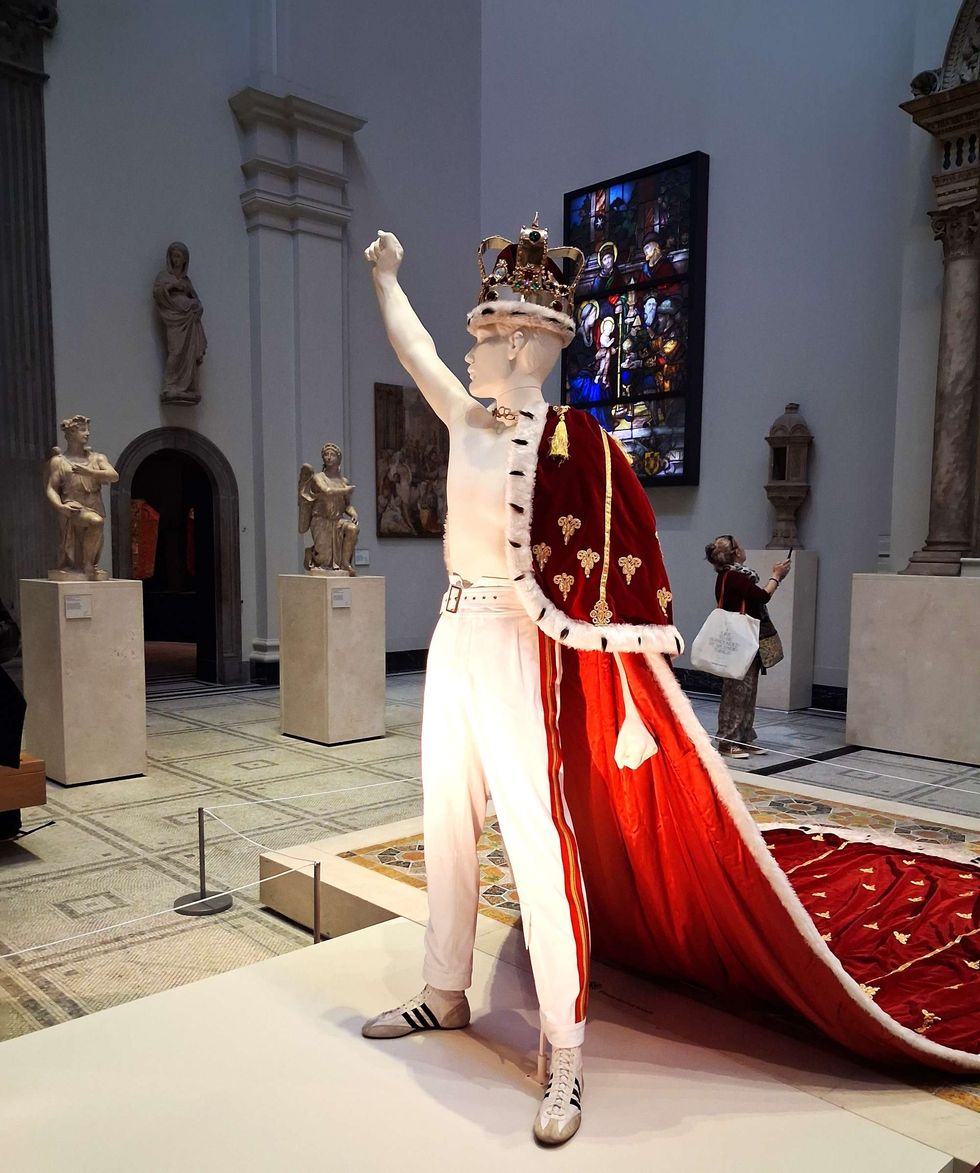 Cloal and crown ensembleAmit Roy
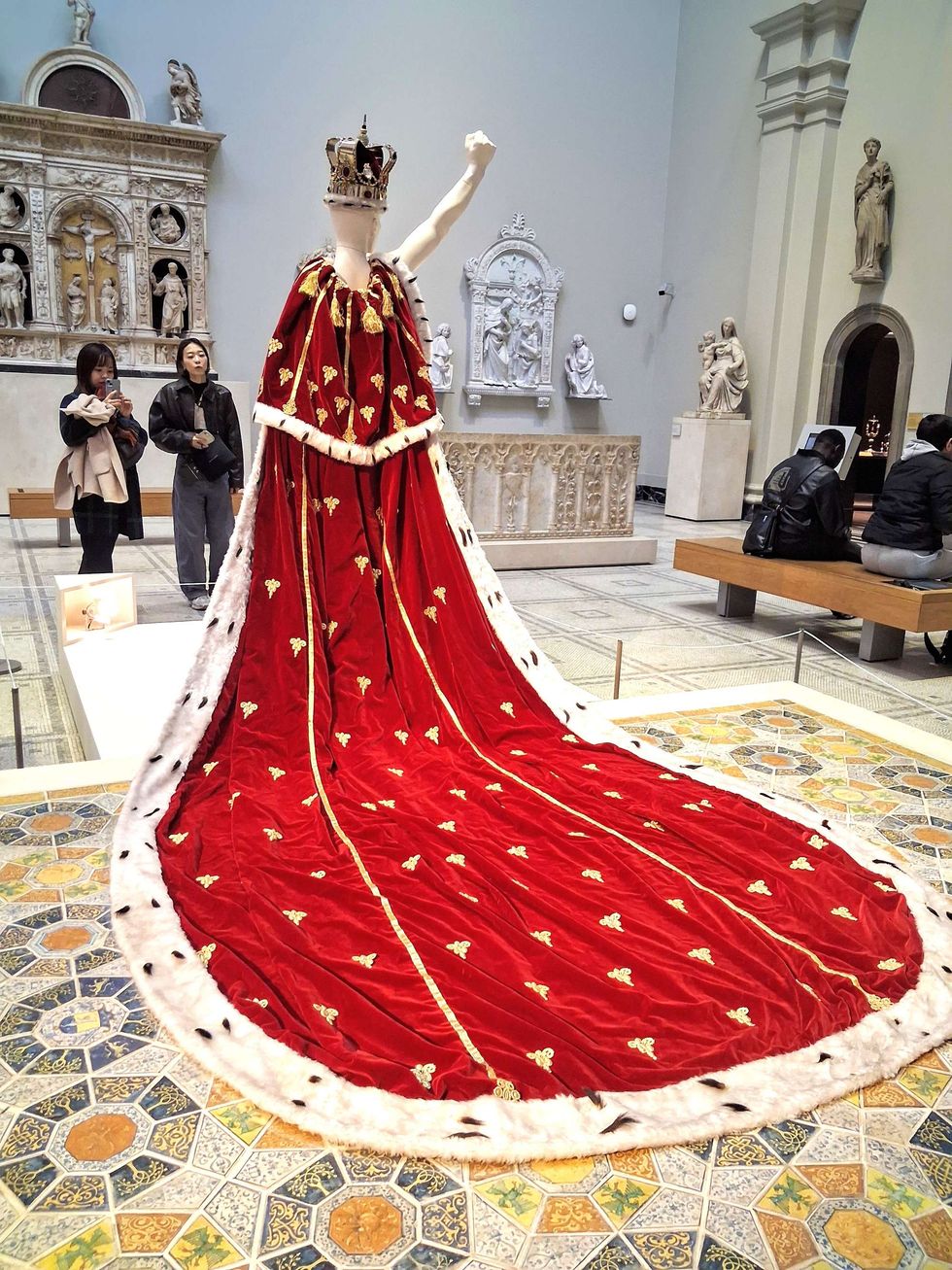 Cloak and crown ensemble (1986)Amit Roy
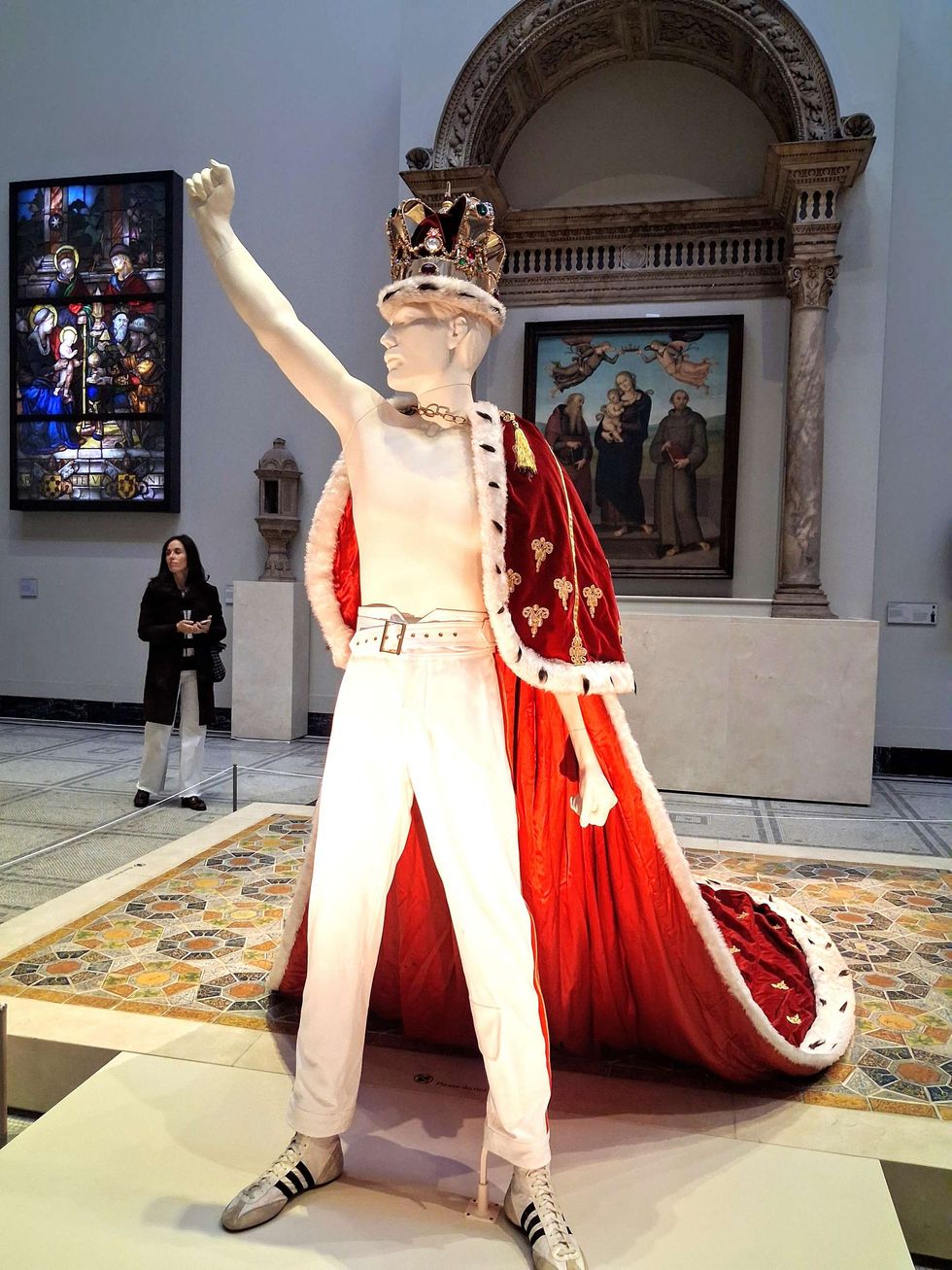 Cloak and crown ensemble (1986)Amit Roy
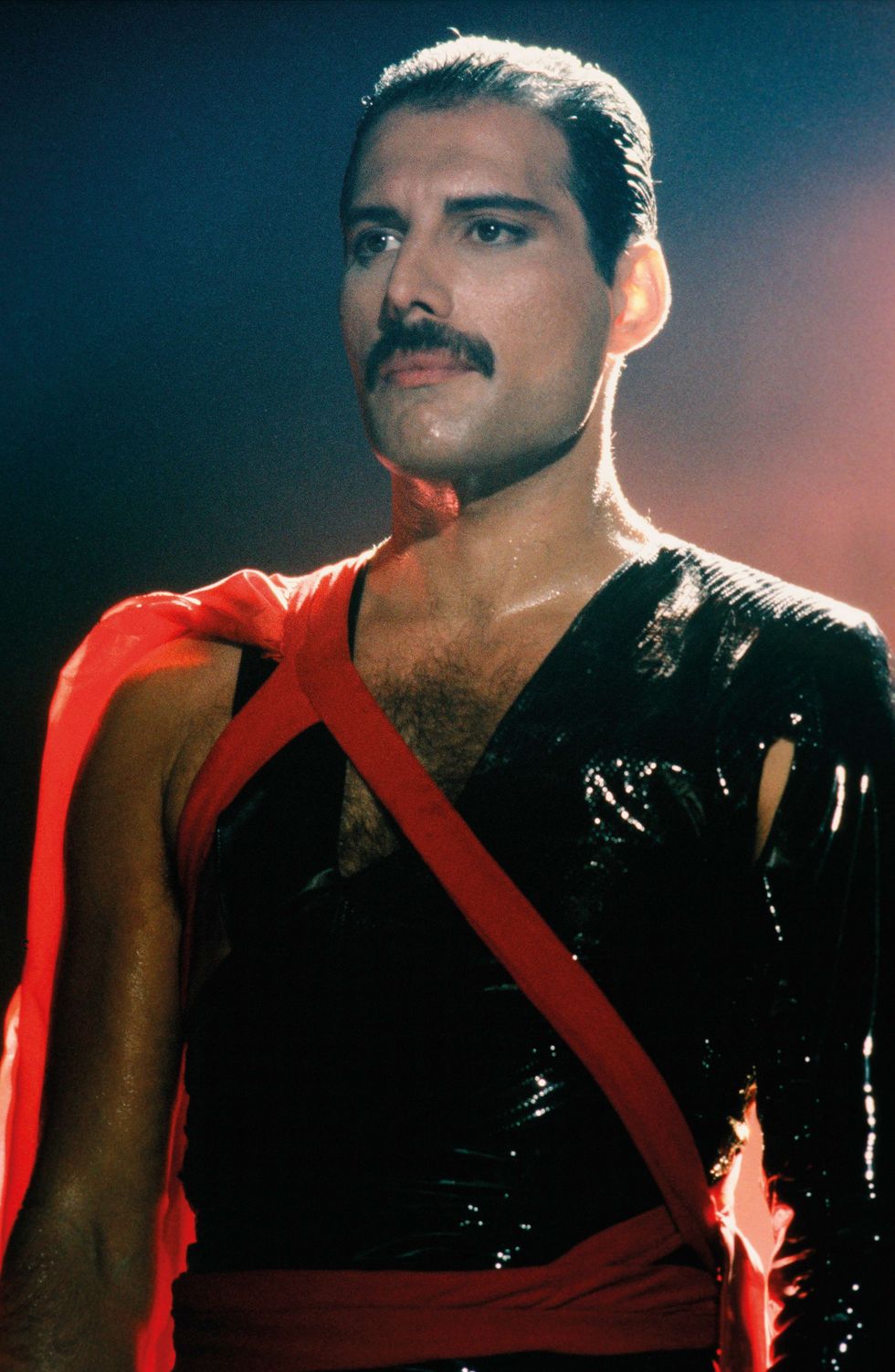
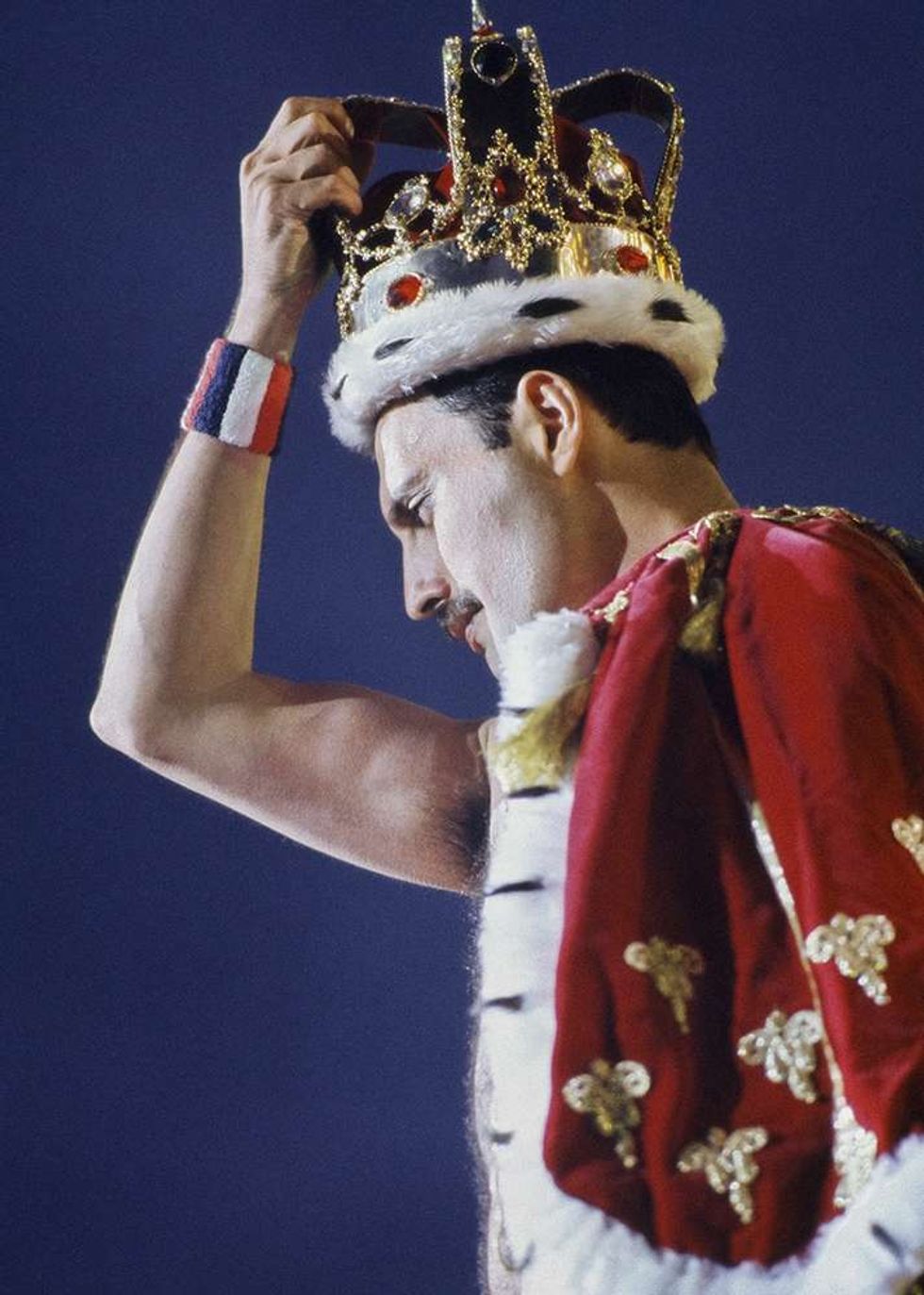 Freddie Mercury, Magic Tour (1986) Denis O’Regan