A moving poetry video featuring migrant key workers in the UK is trending on social media.
The concept video attempts to contrast the praise the workers are receiving now, as they help the country battle Covid-19, with past instances of xenophobia.
'You Clap For Me Now' -- written by Darren Smith and produced by Sachini Imbuldeniya-- features first, second and third generation migrants in the UK reading out parts of the poem, which they filmed themselves because of social distancing guidelines.
"At the time of the Windrush scandal I interviewed Sachini's mum, who came to Britain to work in the NHS," Smith told Reuters.
"It seemed incredible that we could go from a nation that needs and welcomes and values immigrants to a nation riven apart by Brexit and the Hostile Environment policies of the government since 2012."
He said the pandemic brought about a "much-deserved shift" in the what "we now think of as an essential key worker".
"Ironically," said Smith, "despite being socially distanced from one another, we are a far more United Kingdom."
Imbuldeniya added: "When I read the poem I knew the message needed to be spread as widely as possible, so we decided to turn it into a short and sharable video. The responses and support have been mostly positive and really heartwarming.
"I hope that after we recover from this pandemic we don't return to the xenophobia that we've seen over the past decade."
Dr Zoe Williams, ITV This Morning's resident doctor, said the poem "gave me goosebumps".
"It's really positive but at the same time it's a direct message reminding us of some of the awful inequalities and some of the racism that's been in the NHS for so long," she told BBC.
The doctor who was part of the video said the society was now "valuing people by the worth of their contribution and kindness and their willingness to put themselves at risk in order to serve others".
The lyrics
So it's finally happened, that thing you were afraid of, something's come from overseas and taken your jobs, made it unsafe to walk the streets, kept you trapped in your home, a dirty disease, your proud nation gone, but not me, or me, or me, or me.
No, you clap for me now.
You cheer as I toil, bringing food to your family, bringing food from your soil, propping up your hospitals. Not some foreign invader, delivery driver, teacher, life saver.
Don't say go home, don't say not here.
You know how it feels for home to be a prison, you know how it feels to live in fear, so you clap for me now.
All this love you are bringing, but don't forget when it's no longer quiet, don't forget when you can no longer hear the birds singing, or see clearer waters that I crossed for you to make lives filled with peace and bring peace to your life too.
Come all you Gretas, you Malalas, you immigrants, see what we have learned. It only takes the smallest thing to change the world.



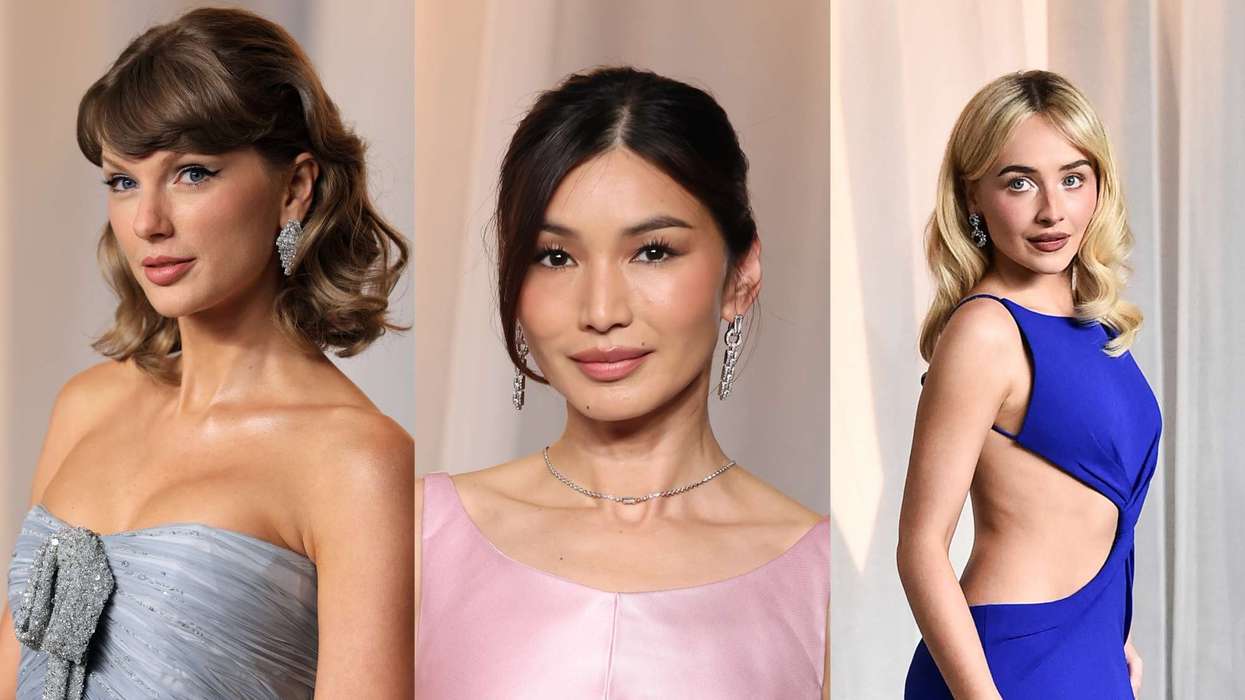
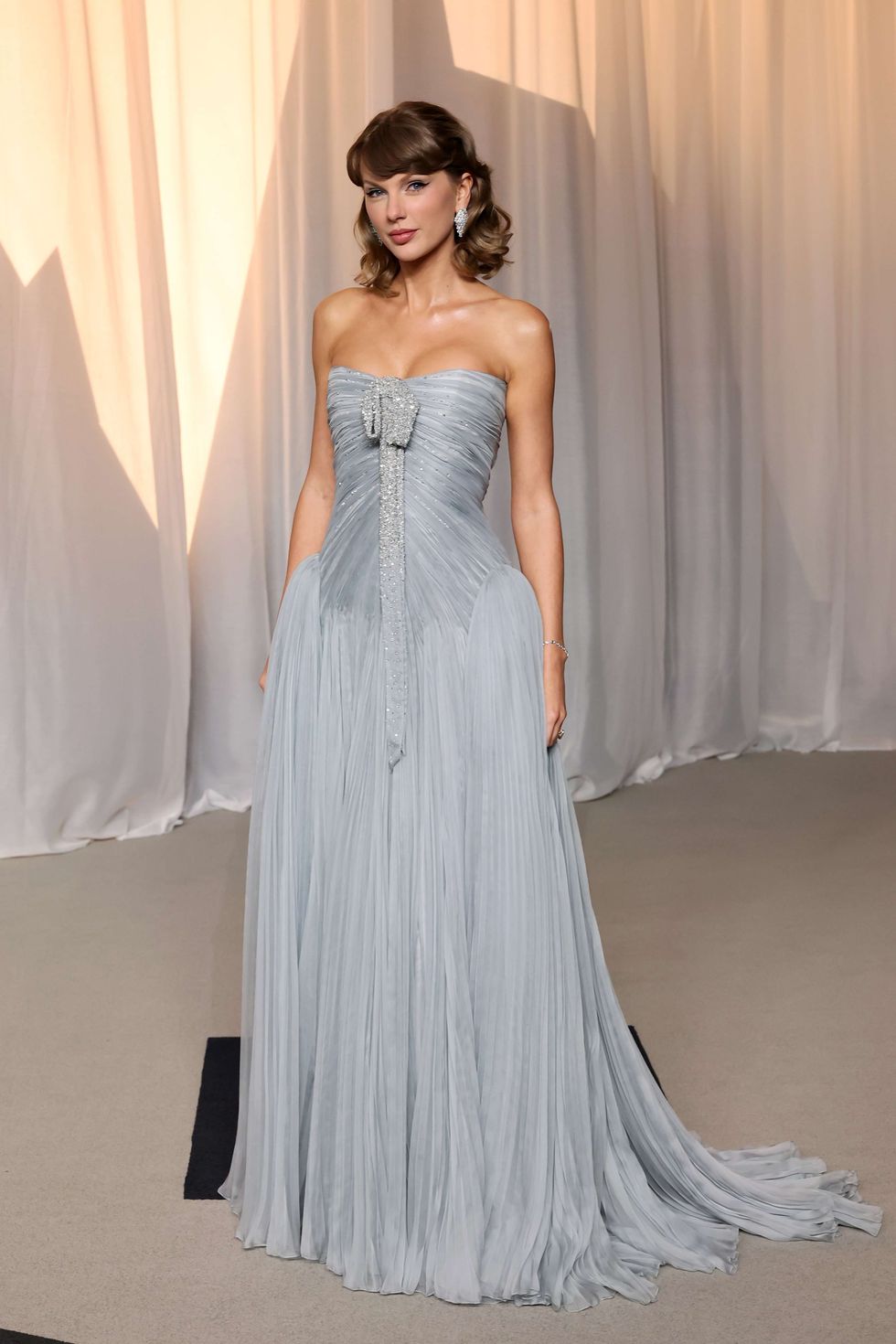 Taylor Swift opted for a strapless Dior gownGetty Images
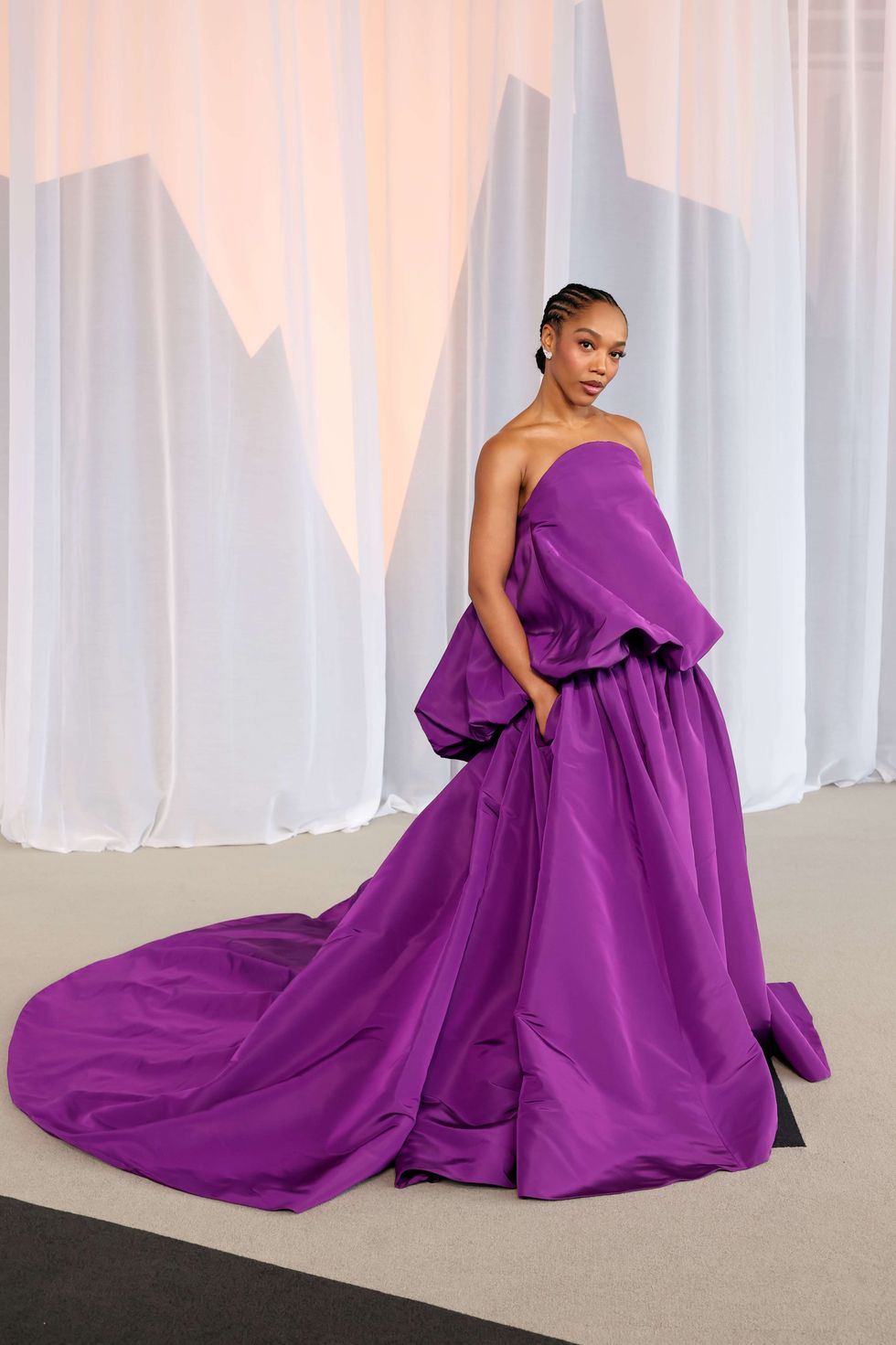 Naomi Ackie stood out in a custom aubergine Balenciaga gown Getty Images
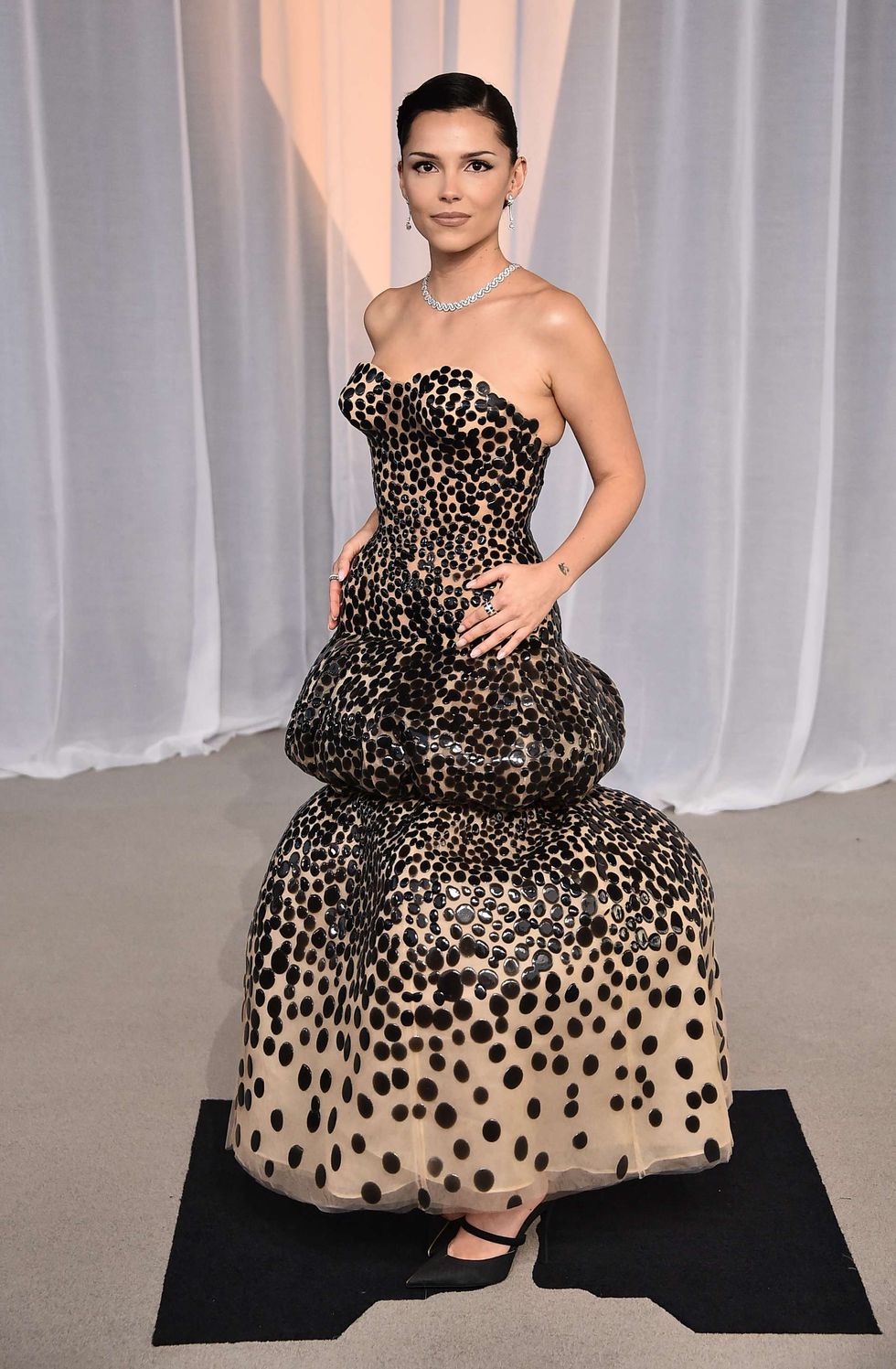 Inde NavarretteGetty Images
 Sabrina CarpenterGetty Images
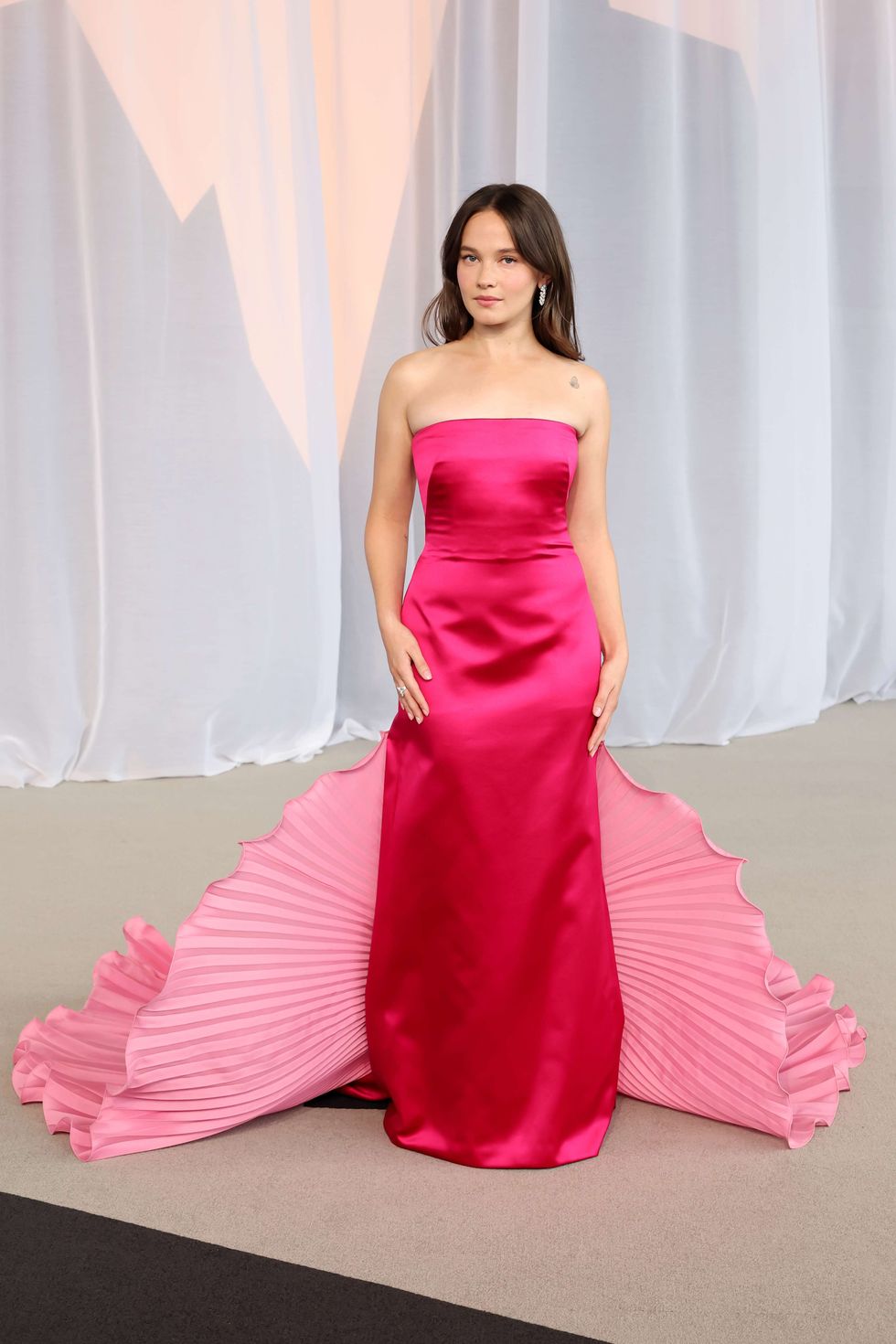 Cailee SpaenyGetty Images
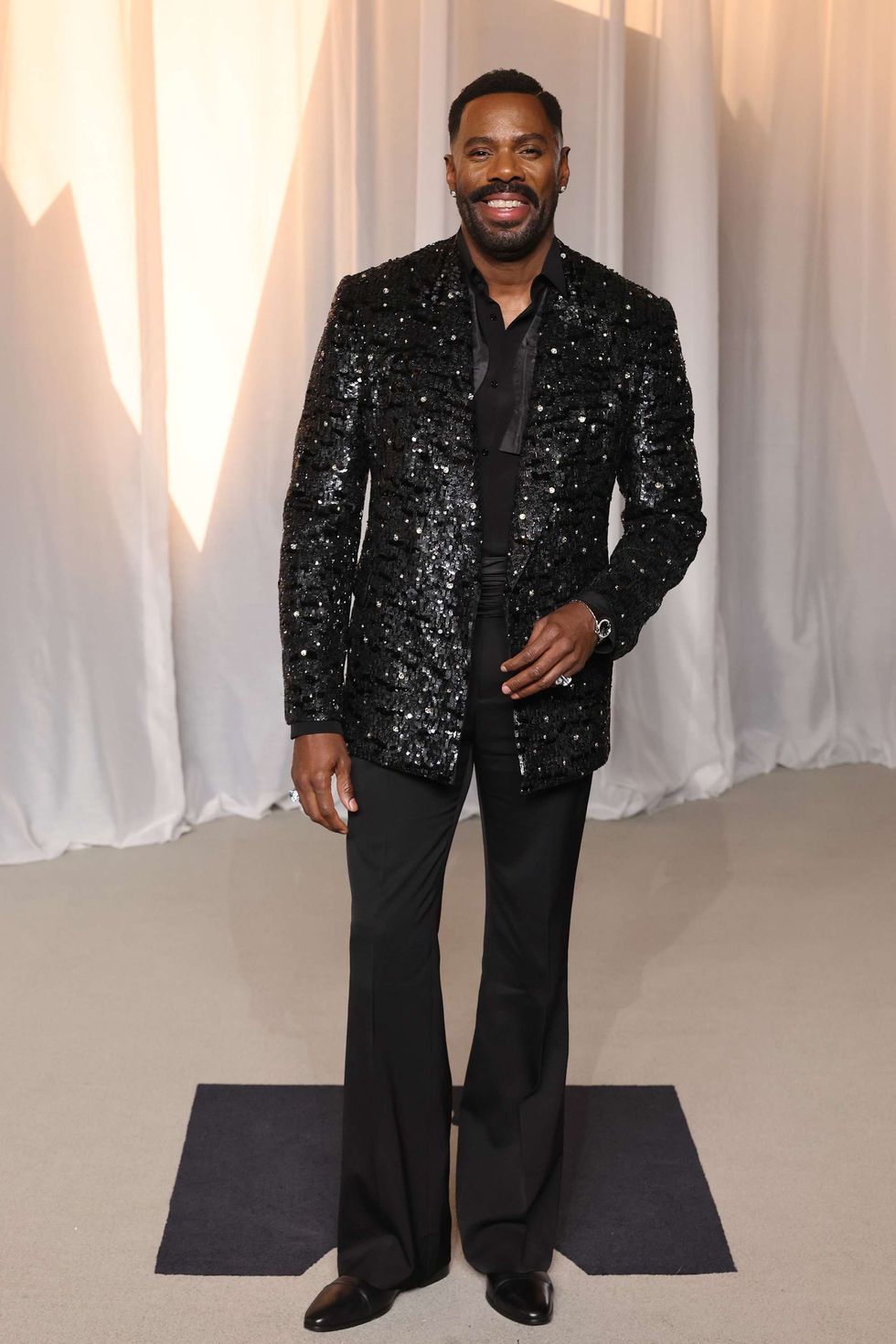 Colman DomingoGetty Images
 Gemma Chan took a more understated approach in a pink silk gabardine dress by PradaGetty Images
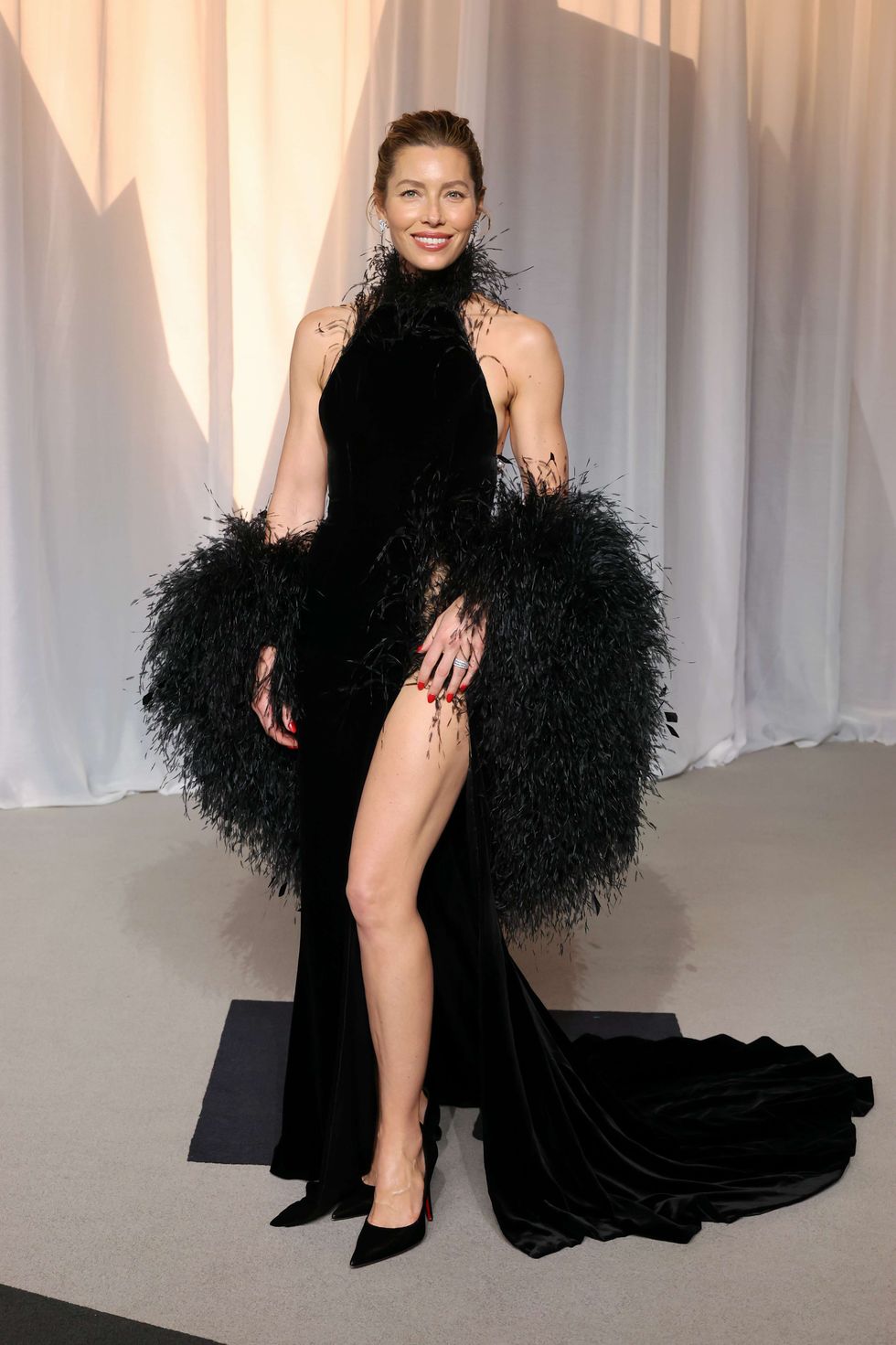 Jessica BielGetty Images
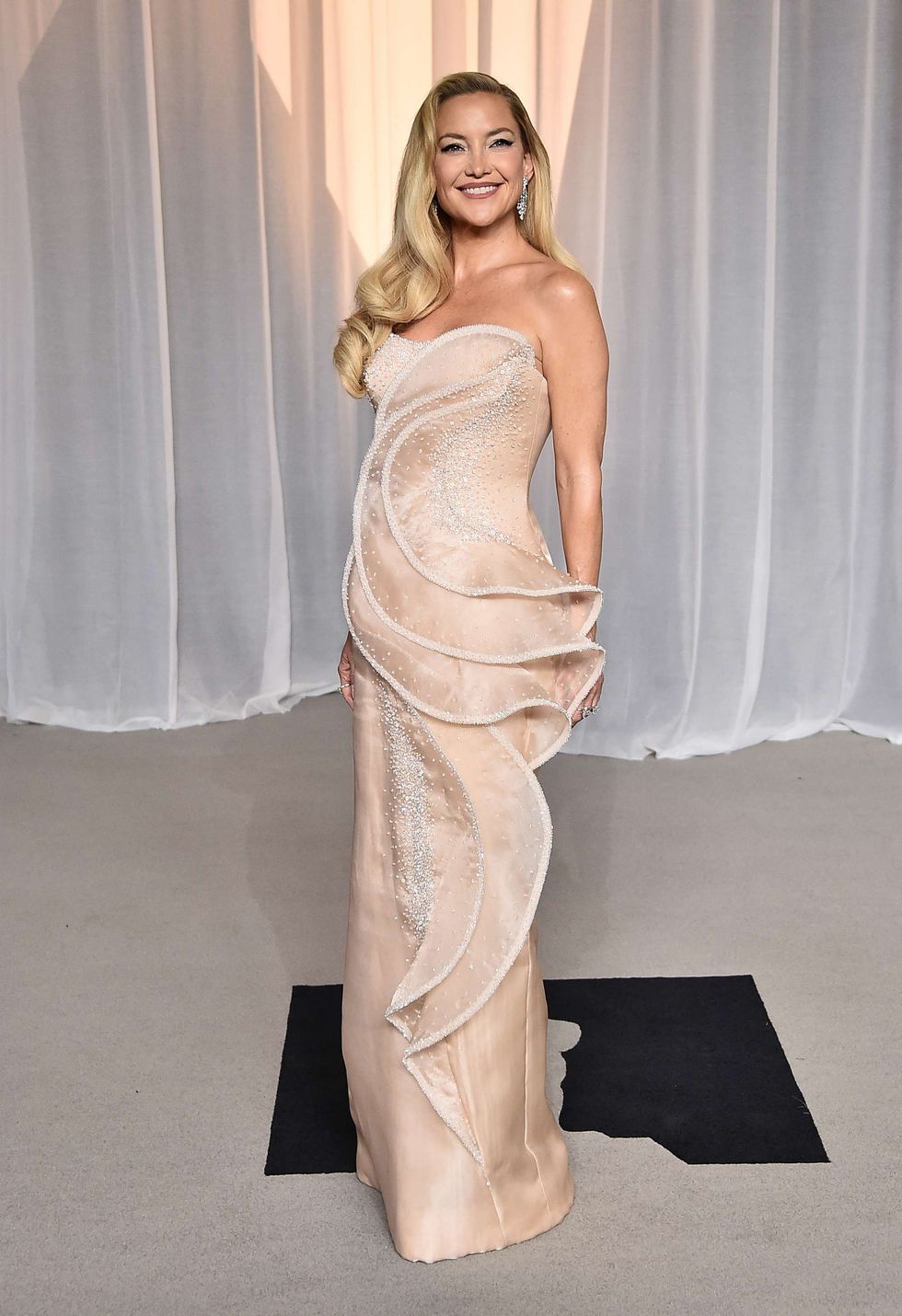 Kate HudsonGetty Images
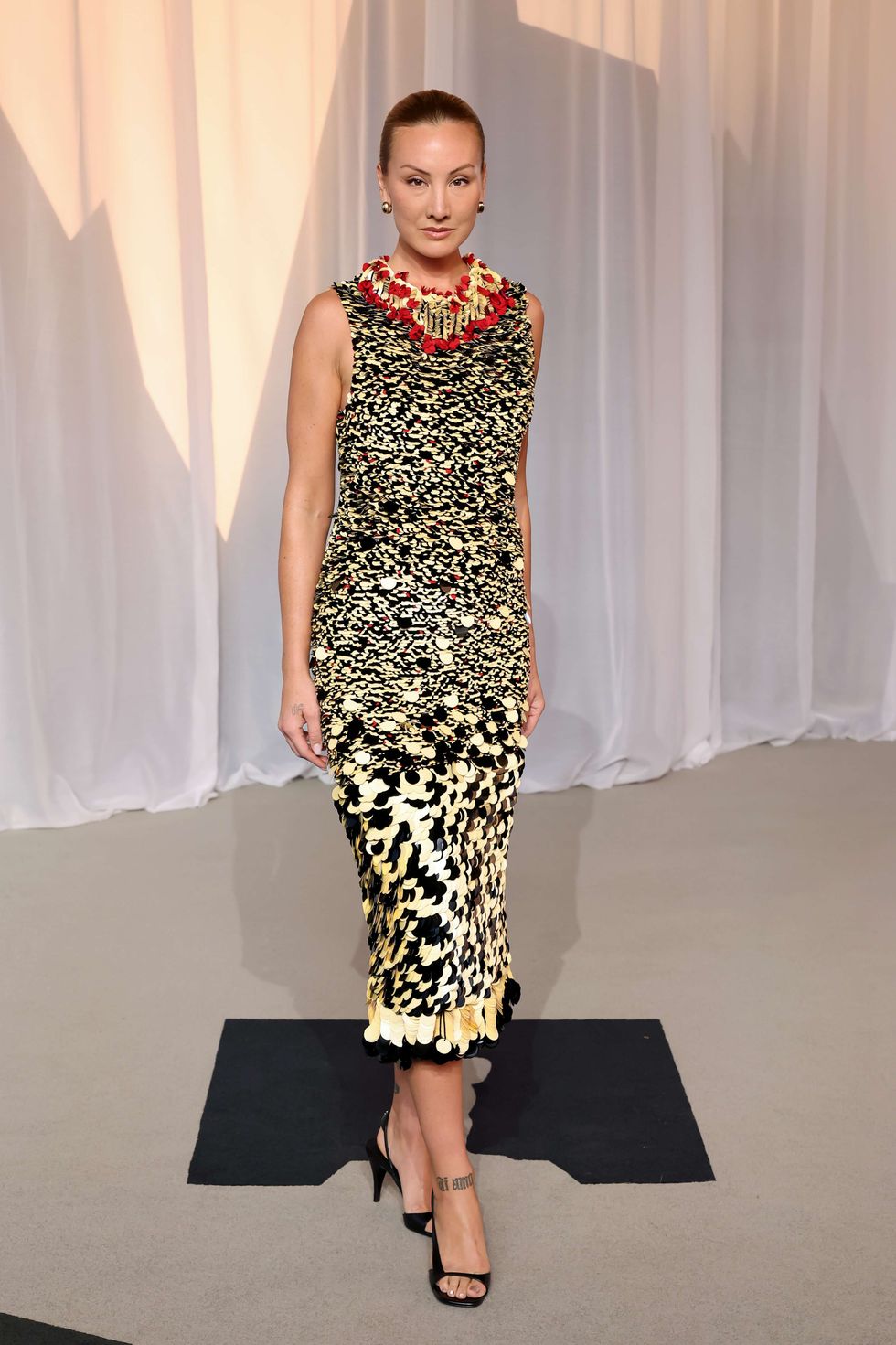 Miyako BellizziGetty Images