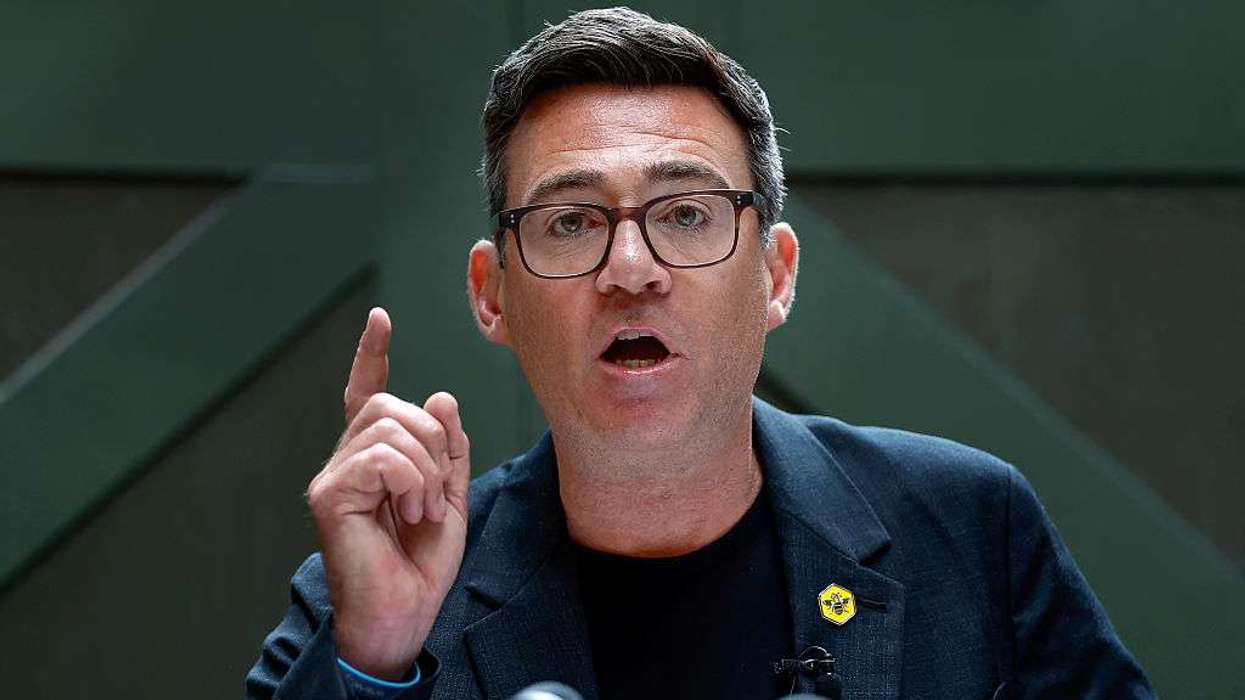

- Andy Burnham has reportedly shelved plans to place Thames Water into a special administration regime, at least for the time being.
- Officials are said to be worried about a possible £2 billion bill landing on taxpayers, along with the risk of losing in court.
- Thames Water's creditors are pushing ahead regardless, with plans to take formal control of the company this autumn.
Just weeks after talking tough on Thames Water, it looks like Andy Burnham has hit pause. The prime minister had been dropping fairly strong hints that he wanted to push Britain's biggest water company, the one supplying roughly 16 million customers from Gloucestershire right down to London, Kent and Essex, into a special administration regime, or SAR for short. That's essentially an emergency legal process that keeps the taps running while the government hunts for a new owner. It would have been the first time this has ever happened to a water company in the country.
But according to a report in The Times, that plan has quietly been put on ice. Not scrapped, mind you, just parked, while officials work out whether it's actually doable without blowing a massive hole in public finances.
Why the sudden change of heart?
The honest answer seems to be money and lawyers. Thames Water reckons it needs something like £2 billion just to keep operating until the end of next year, and if a SAR gets triggered without a quick fix lined up, there's a real chance that bill ends up with taxpayers rather than the company's creditors or a future buyer. On top of that, a SAR isn't something a government can just decide to do on a whim. It can only be triggered if a company is genuinely insolvent, or if it's breached its obligations so badly that it doesn't deserve to keep its licence.
A Whitehall source reportedly said there's "no quick or clean solution without an enormous price tag attached," adding that things are "very challenging" with "significant legal risks" involved. Water minister Emma Hardy also flagged this last month, saying, as quoted in a news report, that there's "a high bar for the imposition of a special administration regime," and that any case would need to be backed by "a robust and compelling body of evidence" strong enough to survive scrutiny in court. Her point, basically, was that rushing into a legal fight without solid grounds could waste a huge amount of public money and still end in defeat.
There's also a more practical worry sitting underneath all this. Even if the government did manage to push Thames Water into administration, there's no guarantee anyone would actually want to buy it afterwards. The company is carrying around £20 billion in debt, which isn't exactly an easy sell.
Creditors aren't waiting around
While ministers weigh up their options, Thames Water's creditors are getting on with their own plan. They're aiming to formally take ownership of the company this autumn and have already lined up four new board members, on the condition the government gives the move a green light. They've also offered some short-term funding to keep things ticking over in the meantime.
Mike McTighe, the corporate troubleshooter who's been advising creditors on a turnaround strategy for about a year now, reportedly said the challenge facing Thames Water is "huge," and that if the recapitalisation plan goes ahead, the new board would work "alongside the executive team" to rebuild the business with customers and local communities "front of mind."
None of this is exactly new territory for Burnham, who's been openly critical of Thames Water and the wider water industry for a while. Back in June, during the Makerfield by-election campaign, he argued there was an "overwhelming case for public ownership" of the company. Since then he's softened the language a bit, talking more about "public control" than outright nationalisation, but the frustration hasn't gone away. Earlier this month he reportedly said he was angry with water firms for treating customers like a "blank cheque," not long after several companies were allowed to hike bills.
Government sources, meanwhile, are keen to stress nothing's off the table just yet. One reportedly said "all options are on the table," insisting the water industry "has not been working for people for far too long" and that ministers are still exploring ways to hand the public more control while keeping bills from spiralling further.
So where does that leave things? Nowhere very definite, by the sound of it. The government is said to be doing further work to figure out if a SAR is even a "viable option," and that process alone could take several months. Whether Burnham eventually goes through with it, or lets the creditors' takeover run its course instead, is still very much up in the air.