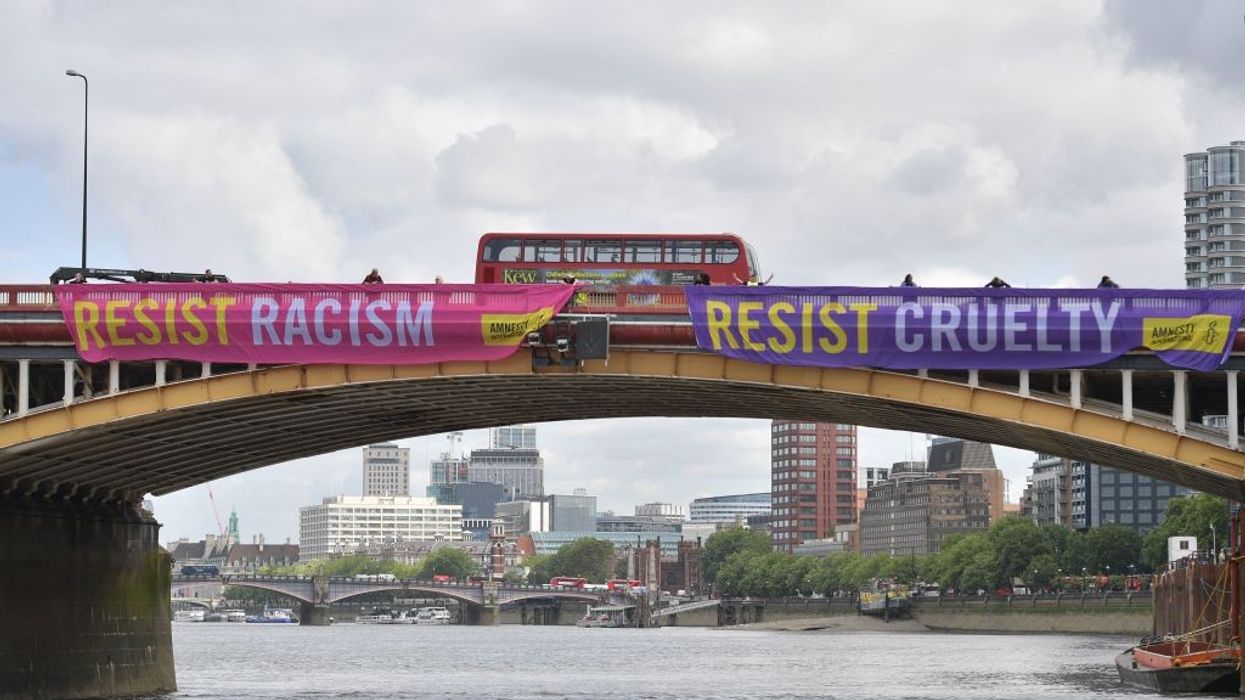

An independent inquiry has found that Amnesty International UK (AIUK) is “institutionally racist” and recommended a significant improvement in the work culture of the rights organisation.
According to the findings in the final report of the inquiry conducted by Global HPO, the “colonialist” charity faced internal bullying problems and an anti-racism attitude is “not embedded into the DNA” of the organisation.
The rights body has been found wanting on the diversity front with white people having higher chances of being hired than people of colour, with black people least likely to be given a job.
“White saviour”, “colonialist”, “middle class” and “privileged” were among the words most used during the testimony and focus groups to discuss Amnesty.
“Our view is that ‘white saviour, middle class and privileged’ is a perception that forms an important part of the AIUK narrative about its history and legacy,” the inquiry, reported by Independent, found.
“A perception that has not been addressed and as such manifests in the negative cultural paradigm of exclusion and racism at AIUK. There is a need for the impact of this legacy to be acknowledged and addressed as part of the transition to becoming anti-racist,” the 106-page document said.
Instances of racism ranged from negative comments about fasting during Ramadan to touching hair without consent.
Racist incidents also included treating black skin, hair and appearance as matters of fascination and rude comments about minority celebrities, it said.
AIUK chief executive Sacha Deshmukh admitted that the report showed the organisation should transform as a place to work.
“GHPO have helped us to identify where we must make changes and we will not shy away from this work, especially as it is clear it is long overdue. I am glad that the inquiry team have recognised that some improvements have started here in the last year, but that doesn’t in any way diminish the seriousness of the findings nor should it make us at all complacent about the task ahead of us,” Deshmukh said.
“But, I do believe that with a transformation we can make Amnesty UK an example of a cause-driven organisation with an excellent working environment and culture for all colleagues. That should be our goal, and it is our duty not just to our colleagues but to our hundreds of thousands of supporters that we deliver it.”