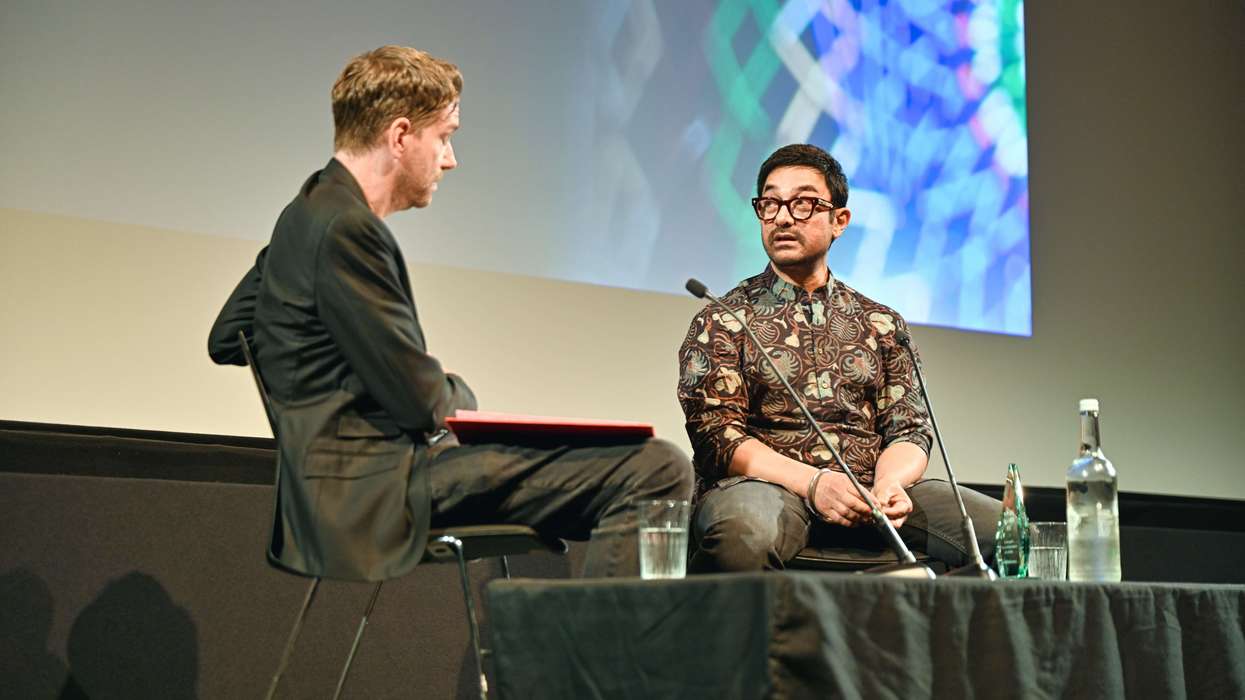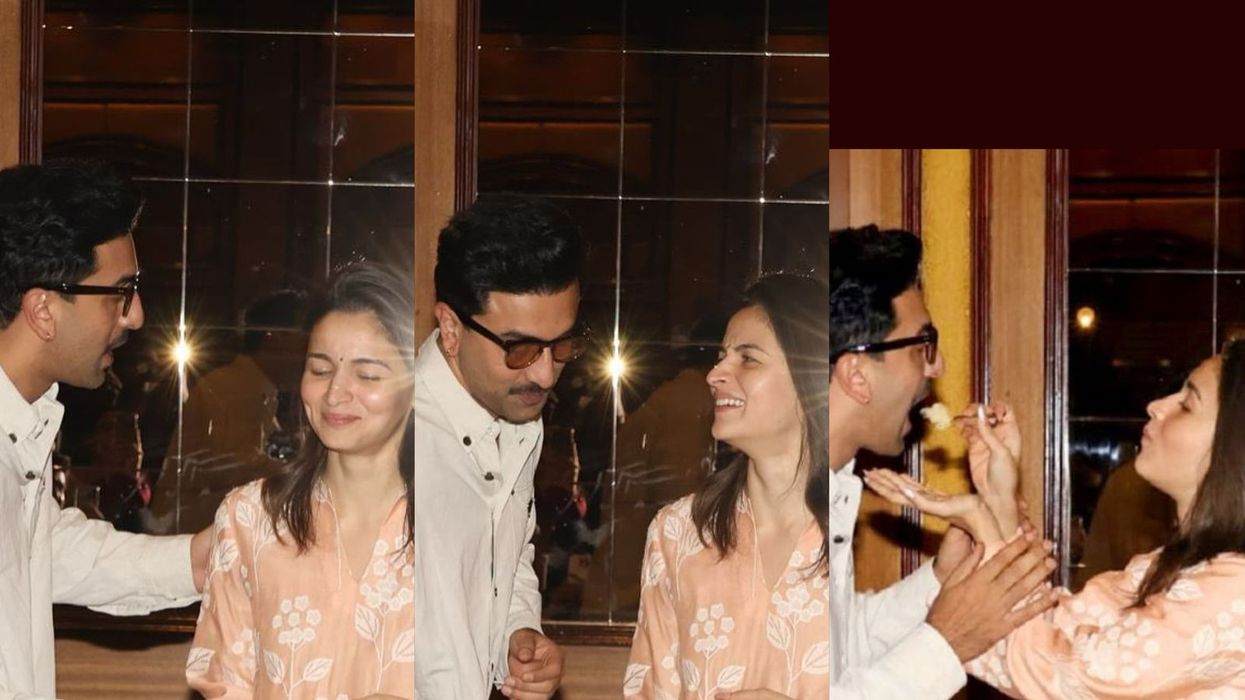

Alia Bhatt recently opened up about her personal struggles with mental health during a quiet media meet held before her birthday. Surrounded by close friends, journalists, and her husband Ranbir Kapoor, Alia cut her cake early this year ahead of turning 32. But instead of making the gathering just about celebrations, she took a moment to speak honestly about her journey with ADHD, anxiety, and how she’s learning to cope.
Alia, in her usual straightforward way, explained how therapy has become a key part of her life. “I go to therapy once a week. It clears my head. I’m not someone who can meditate regularly or follow strict routines, but I’ve realised that just being aware of how I’m feeling helps a lot,” she said. She was open about how her emotions often take over, especially in overwhelming situations. “I get caught up sometimes; I feel my emotions physically. It’s hard to stay present in those moments, but knowing what’s happening inside me helps me get through them,” she added.
The actor spoke about being diagnosed with ADHD and anxiety, a process she described as strangely reassuring. “After I got the diagnosis, it all made sense. I wasn’t just having ‘bad days.’ There was something deeper. Getting clarity made me feel less out of control,” she shared. She also talked about how social events used to make her physically uncomfortable. “My body would heat up, and I’d feel restless. It wasn’t easy to focus or stay calm,” she said.
Despite having the option, Alia has chosen not to take medication. Instead, she’s decided to manage her condition through therapy, self-awareness, and small daily efforts. “I’m not on medication, although I could be. I’m working on it my way, and I think I’m doing okay,” she said.
One simple tool that’s helping her these days? A children’s book. “I read The Book of Emotions to my daughter Raha. It explains feelings in such a basic way, but honestly, it feels like I’m reminding myself, too. We all need to hear that it’s normal to have ups and downs.”
During the event, both Alia and Ranbir politely asked photographers to avoid clicking pictures of Raha or posting about her on social media. “We just want to keep things simple for her,” they said.
Alia’s honest take on mental health reminds us that even when life looks perfect from the outside, everyone’s fighting their own battles and sometimes, small steps make a big difference.