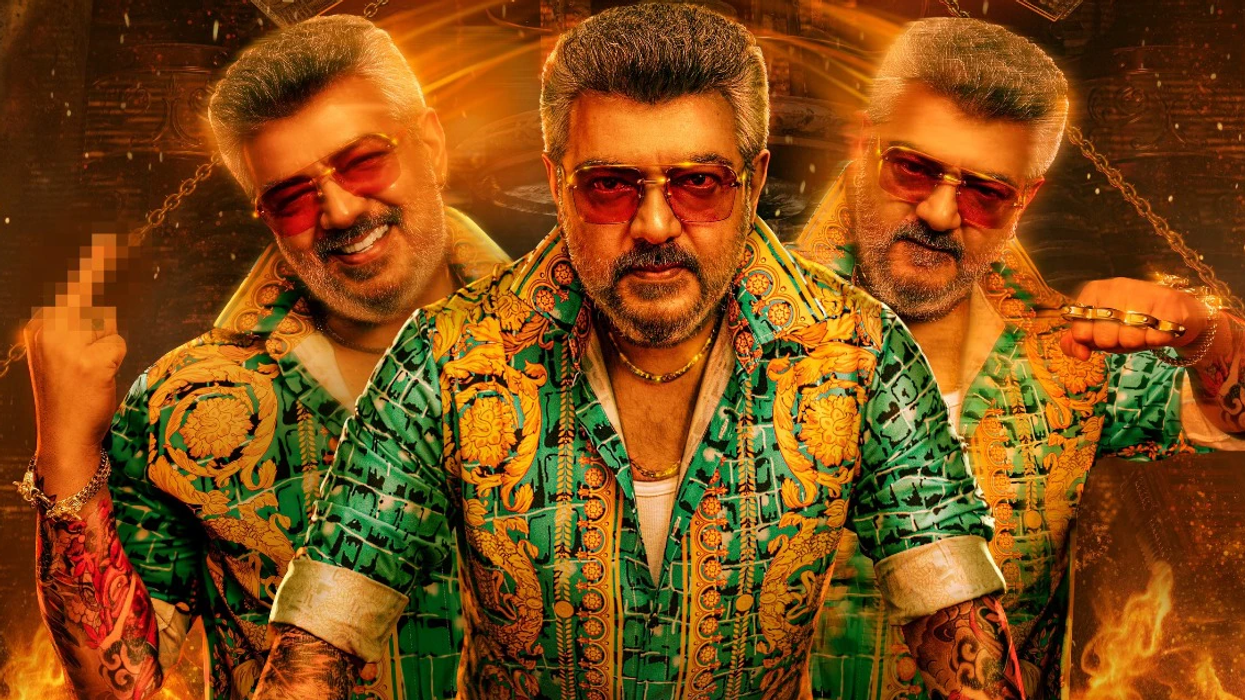

Ajith Kumar’s Good Bad Ugly hit theatres with all the fireworks one expects from a star-driven entertainer. Directed by self-proclaimed Ajith fan Adhik Ravichandran, the film has sparked a flood of reactions, most of them split straight down the middle. While die-hard fans are hailing it as a “mass” comeback for the star, critics are pointing out the film’s uneven storytelling and over-the-top fan service.
Across social media, Ajith fans have declared the film a winner. Many are celebrating his powerful entry, catchy songs, and scenes that reference his past blockbusters. A user wrote, “Violence. Violence. Violence. Thala is back,” quoting one of the film’s many callback dialogues. Another praised the nostalgia-filled interaction between Ajith and Simran, calling it one of the film’s standout moments. The remix of Ilamai Idho and the song God Bless U have also become instant hits among audiences.
- YouTubewww.youtube.com
However, critics have a more restrained take. The general consensus is that while Good Bad Ugly offers plenty of moments for fans to cheer, it doesn’t do much beyond that. Ajith plays Red Dragon aka AK, a gangster who surrenders for the sake of his son and returns to action when the boy is kidnapped. The first half, packed with slick action and star-powered moments, moves quickly. But the second half, filled with flashbacks, dragged-out scenes, and a cluttered villain list, loses momentum.
A common complaint is the number of villains including Arjun Das, Jackie Shroff, Rahul Dev, Shine Tom Chacko, and others, none of whom get enough screen time to make an impact. Arjun Das, in a double role, especially left critics underwhelmed. Trisha’s character is also seen as underwritten, serving more as a plot device than a fully realised role.
What has raised eyebrows even further are the animated cameos. From John Wick to Money Heist’s Professor and Don Lee from The Gangster, The Cop, The Devil, the film takes wild creative liberties. While fans in theatres cheered, some critics questioned the legality and necessity of these references.
Despite all this, Good Bad Ugly is being praised for its technical aspects, GV Prakash’s music, especially during elevation scenes, and Abinandhan Ramanujam’s stylish cinematography.
In short, if you're an Ajith fan, this film gives you everything you could want. For everyone else, it’s a loud, chaotic, and overindulgent ride that might be harder to sit through.




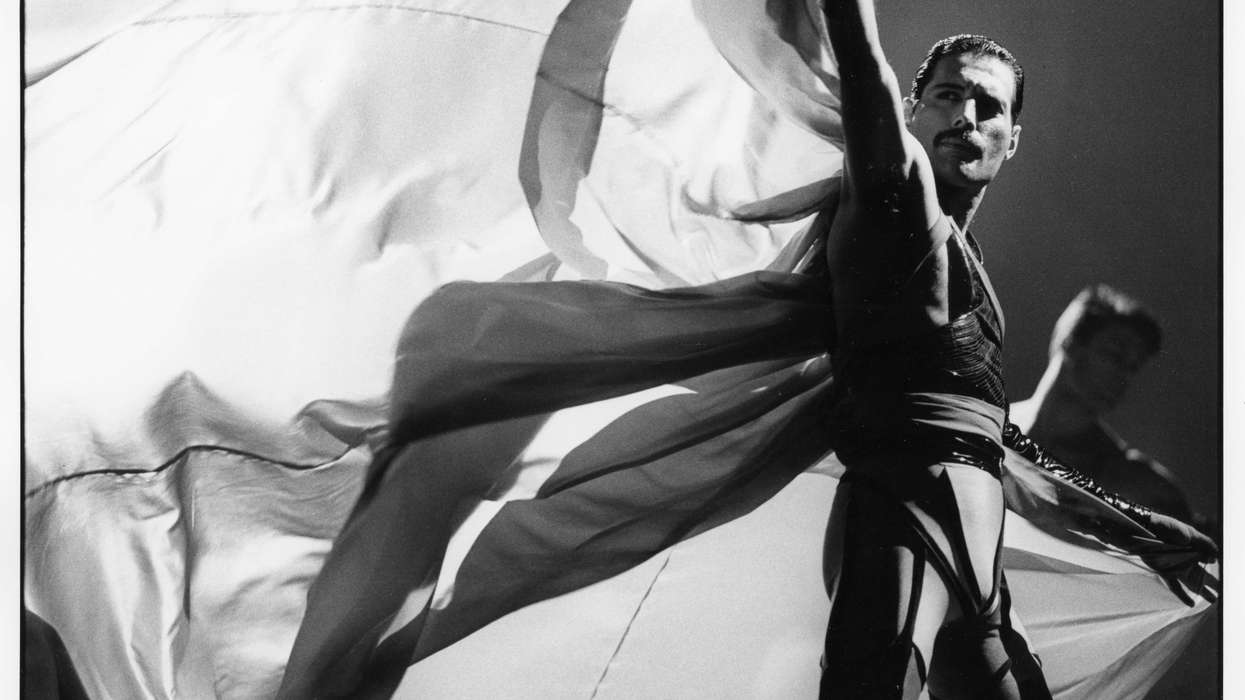
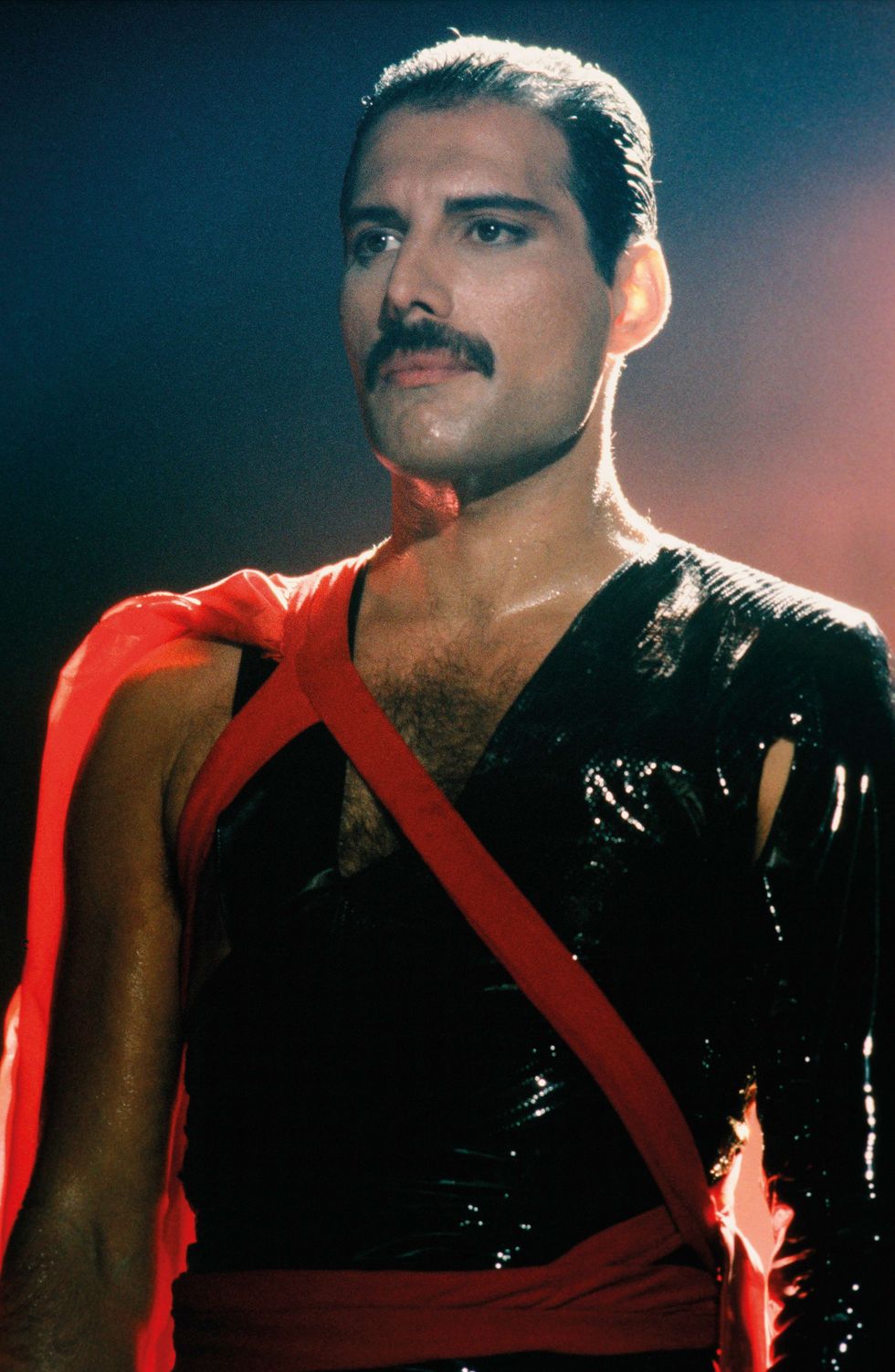 Freddie Mercury in the Made in Heaven music videoSimon Fowler © Mercury Songs Ltd
 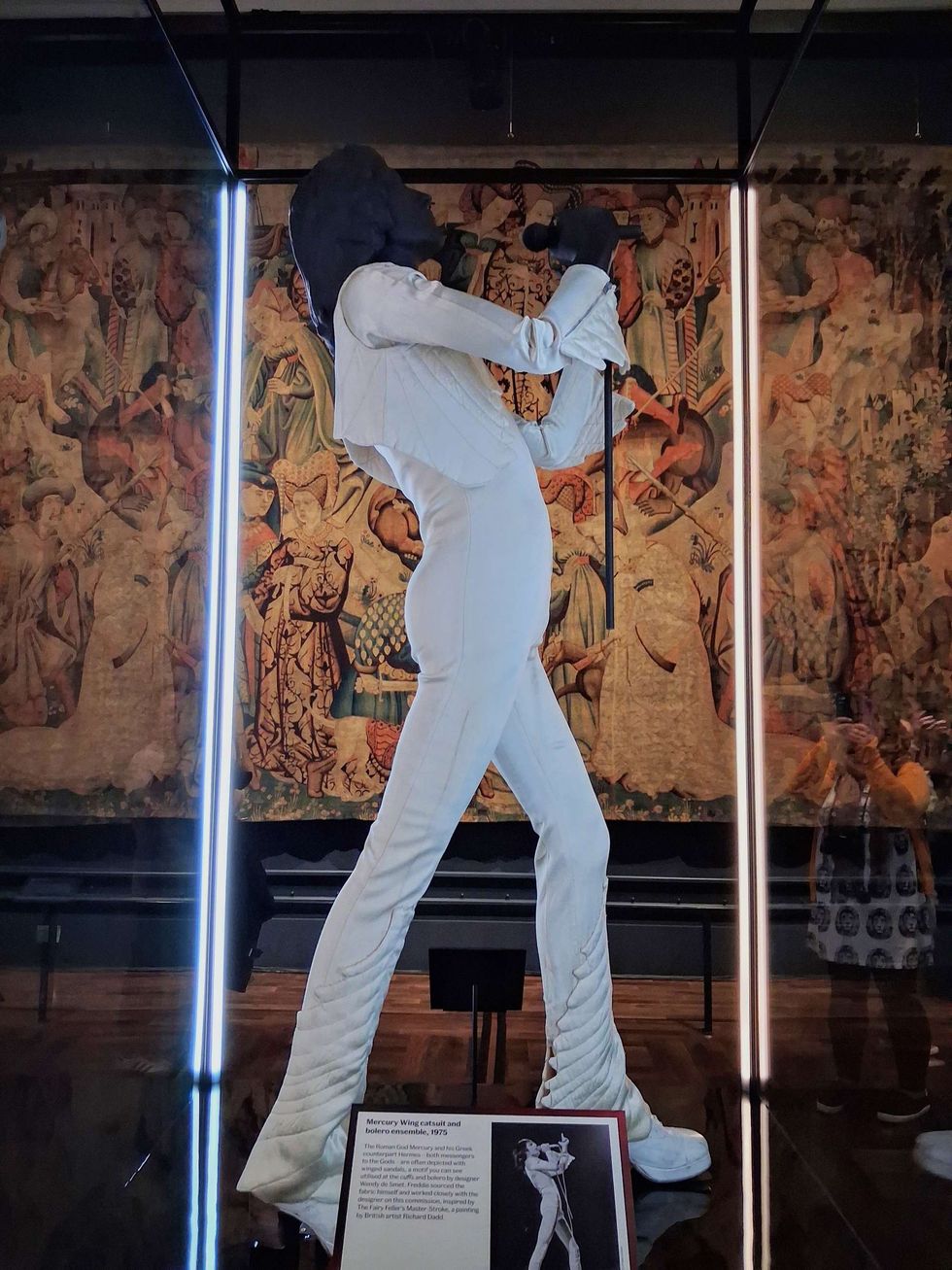 Mercury Wing Catsuit and bolero ensemble (1975)Amit Roy
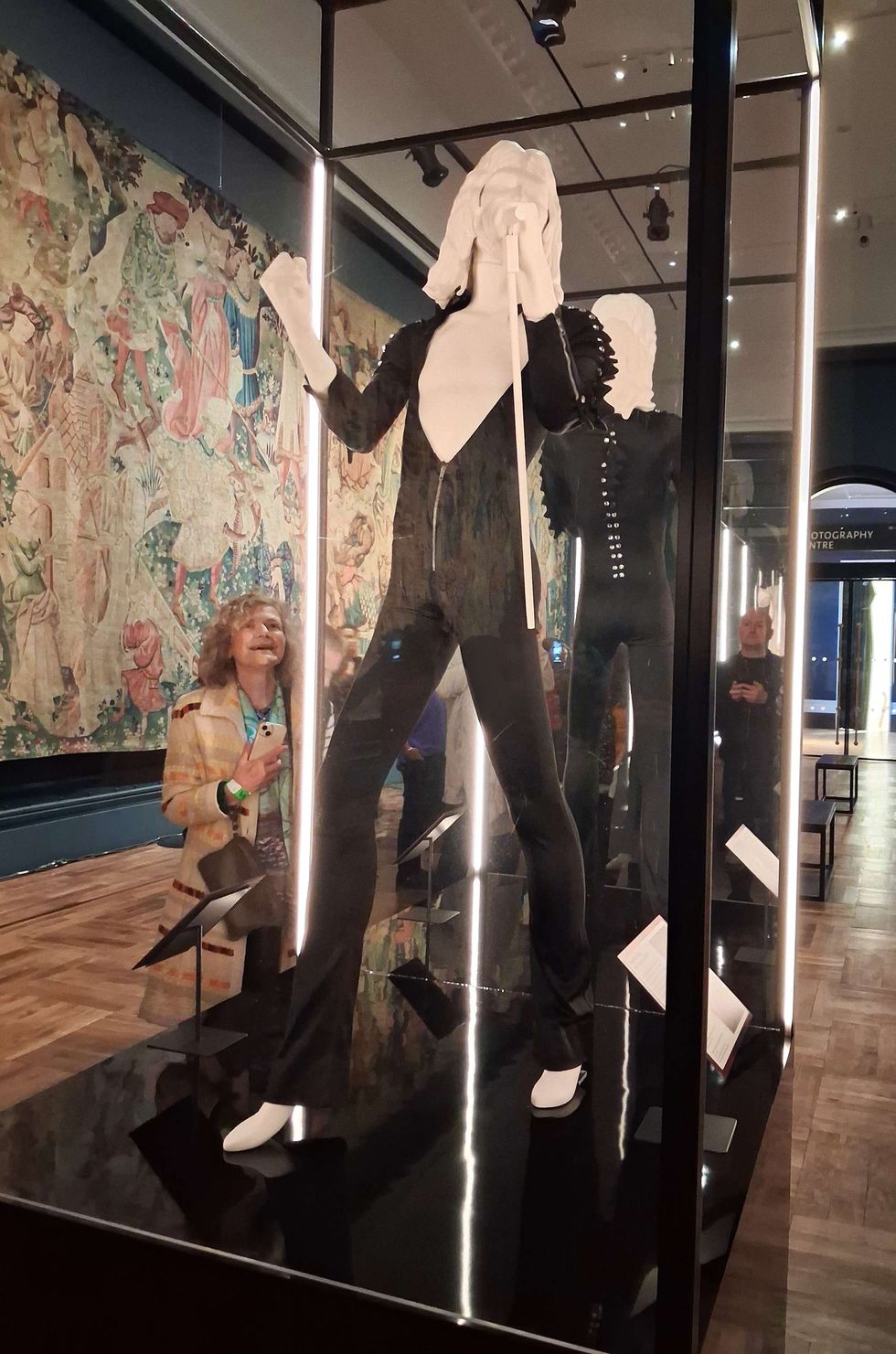 Designer Wendy de Smet with the spine suit or the Black Queen suit from 1975 Amit Roy
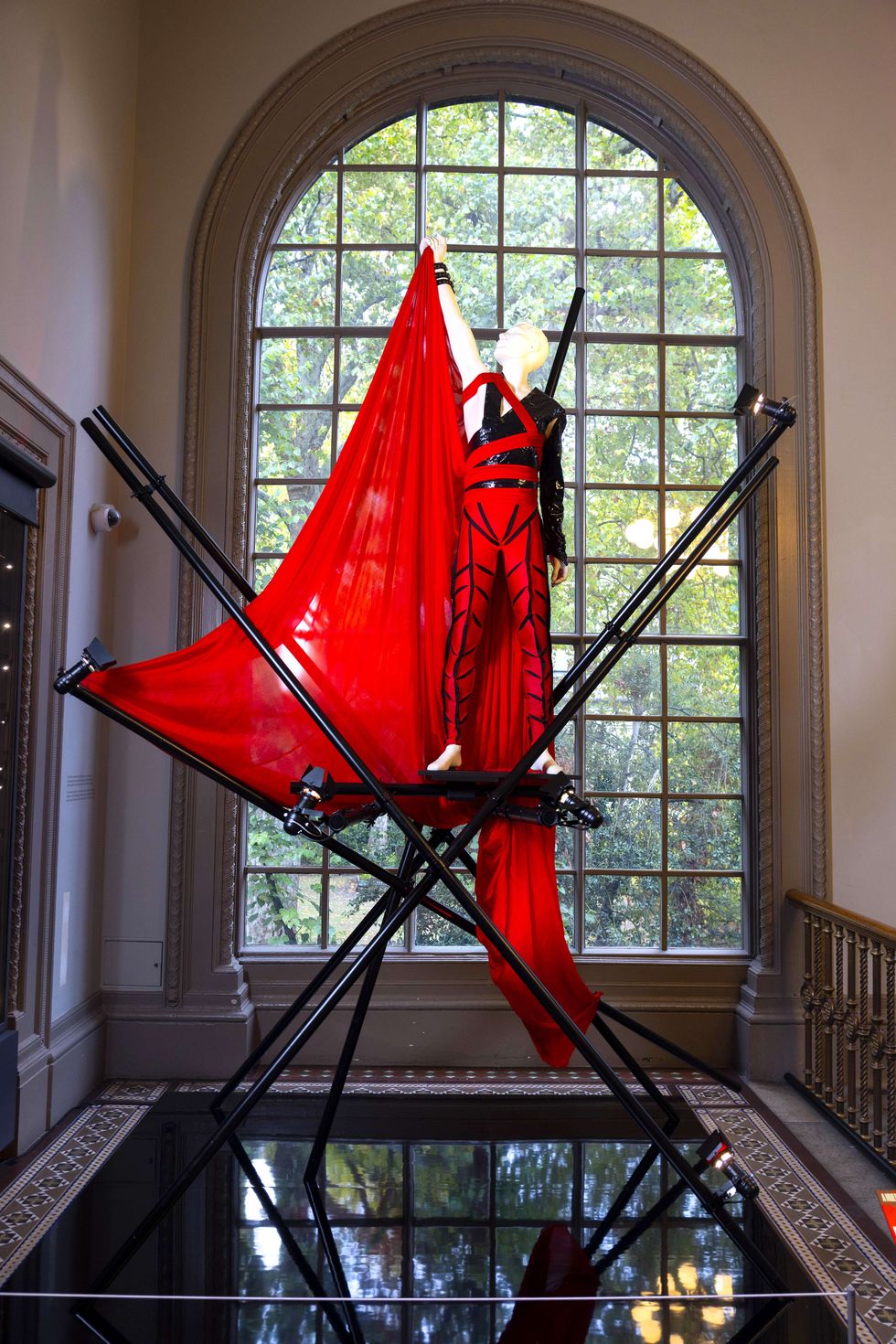 Made in Heaven music video costume (1985) David Parry/V&A
 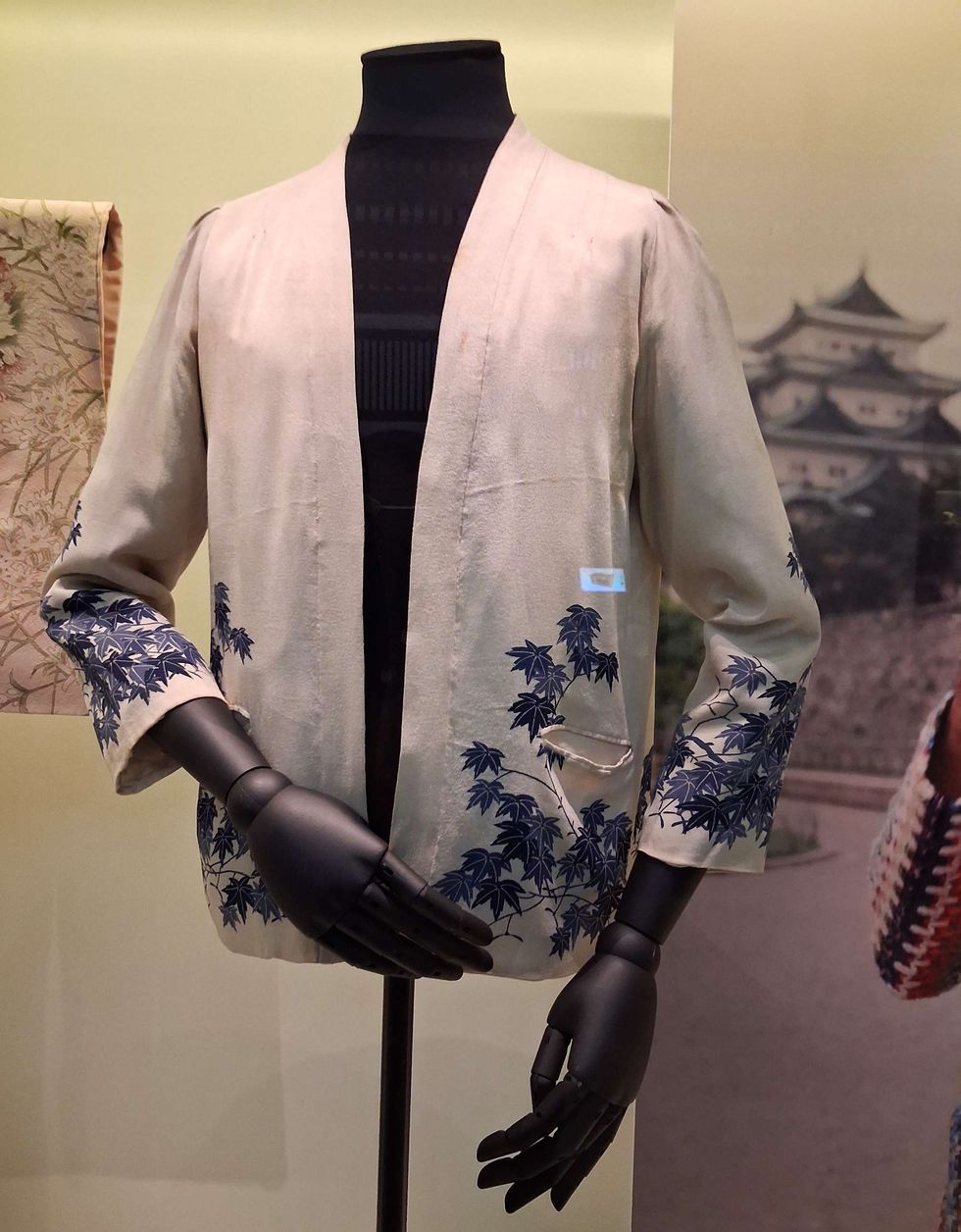 Japanese jacket (early 1970s)Amit Roy
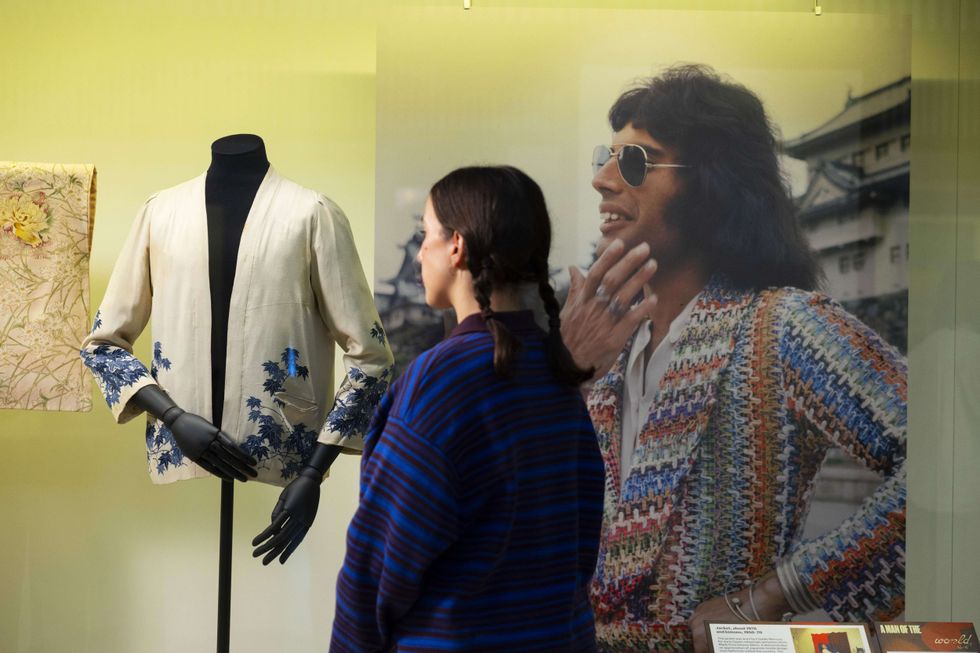 Japanese jacket (early 1970s) and kimono (1950-70) David Parry/ V&A
 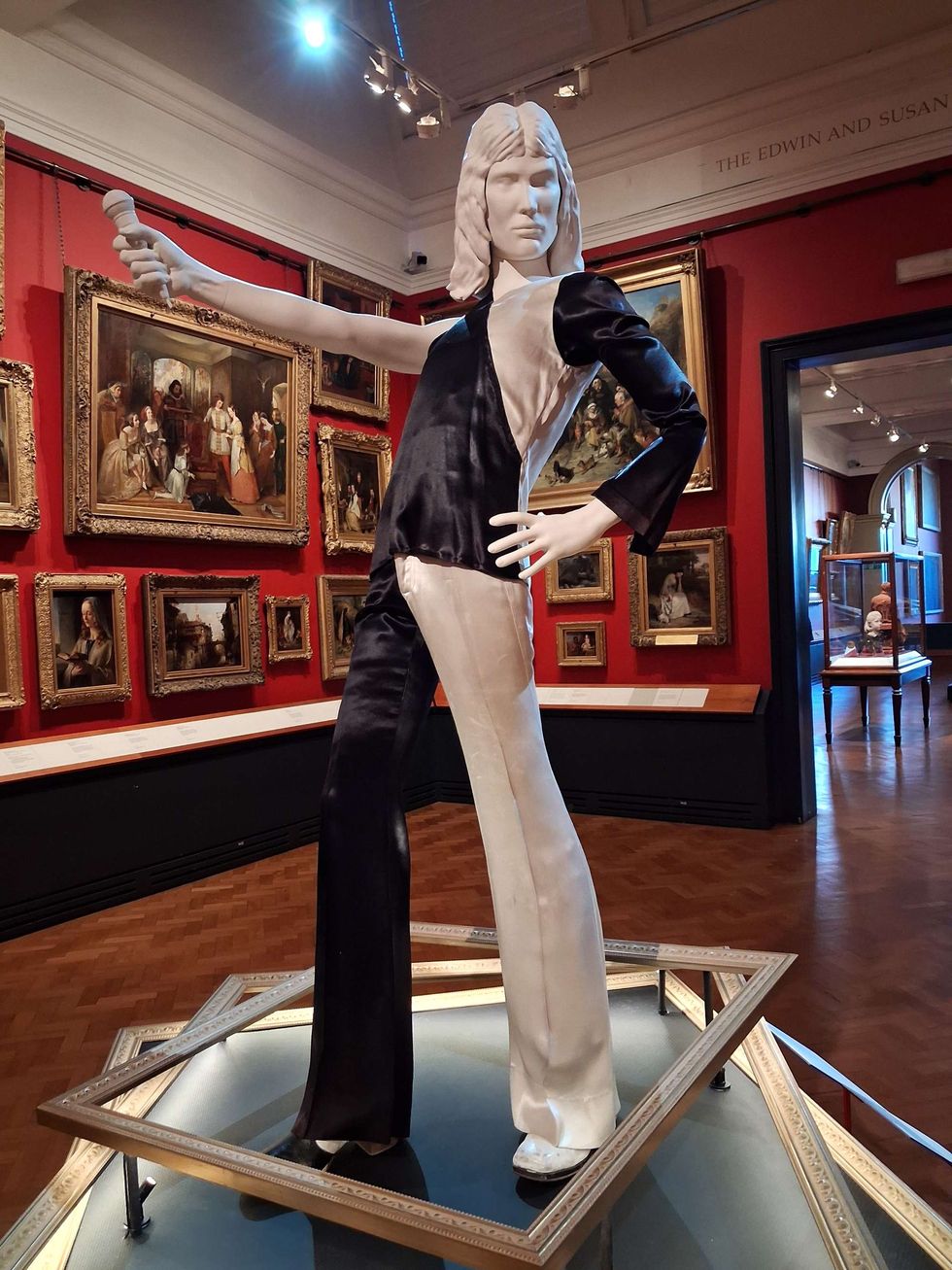 Ensemble worn for Imperial College gig in 1973Amit Roy
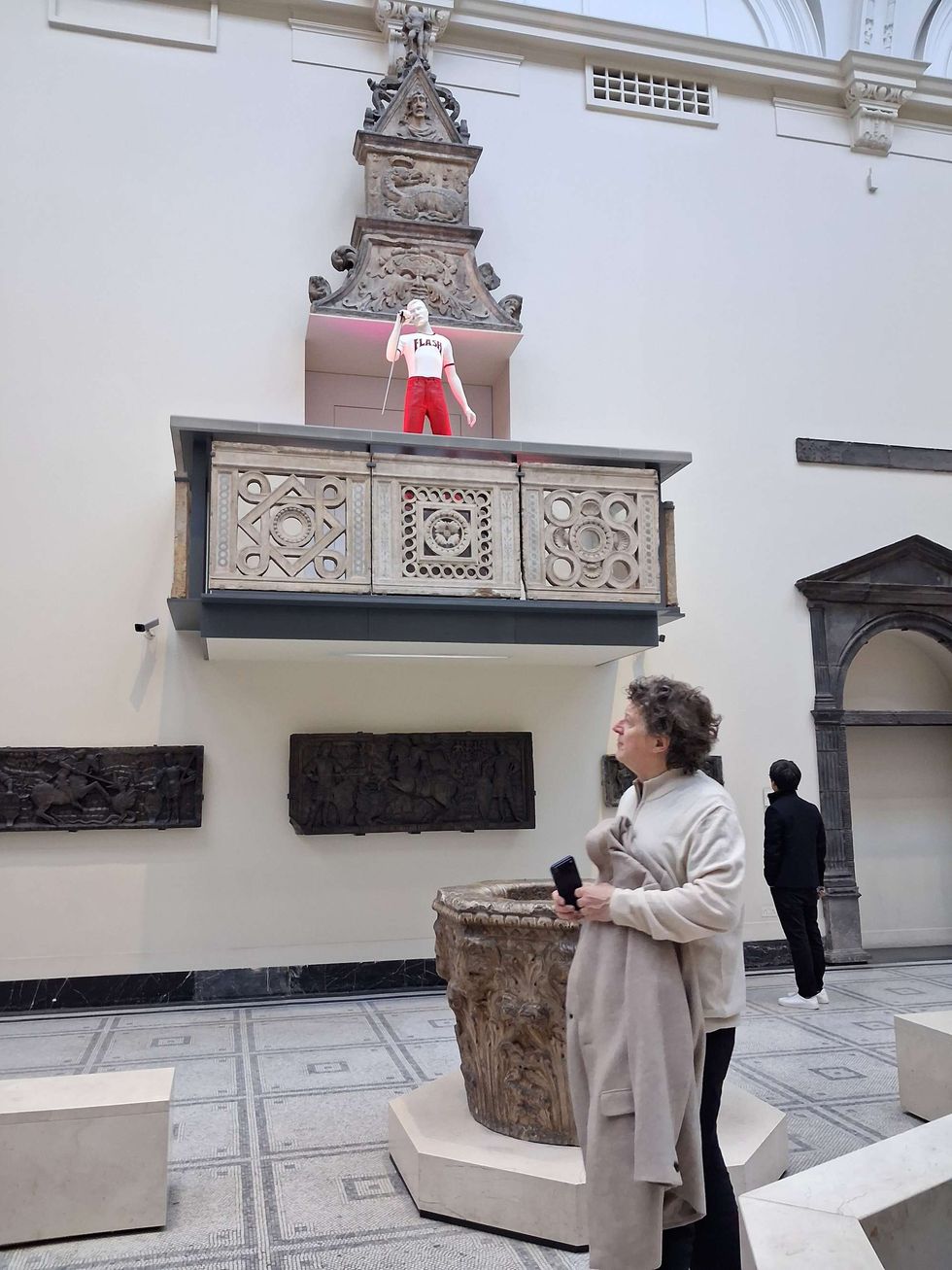 Flash ensemble and half mic (Flash Gordon 1980)Amit Roy
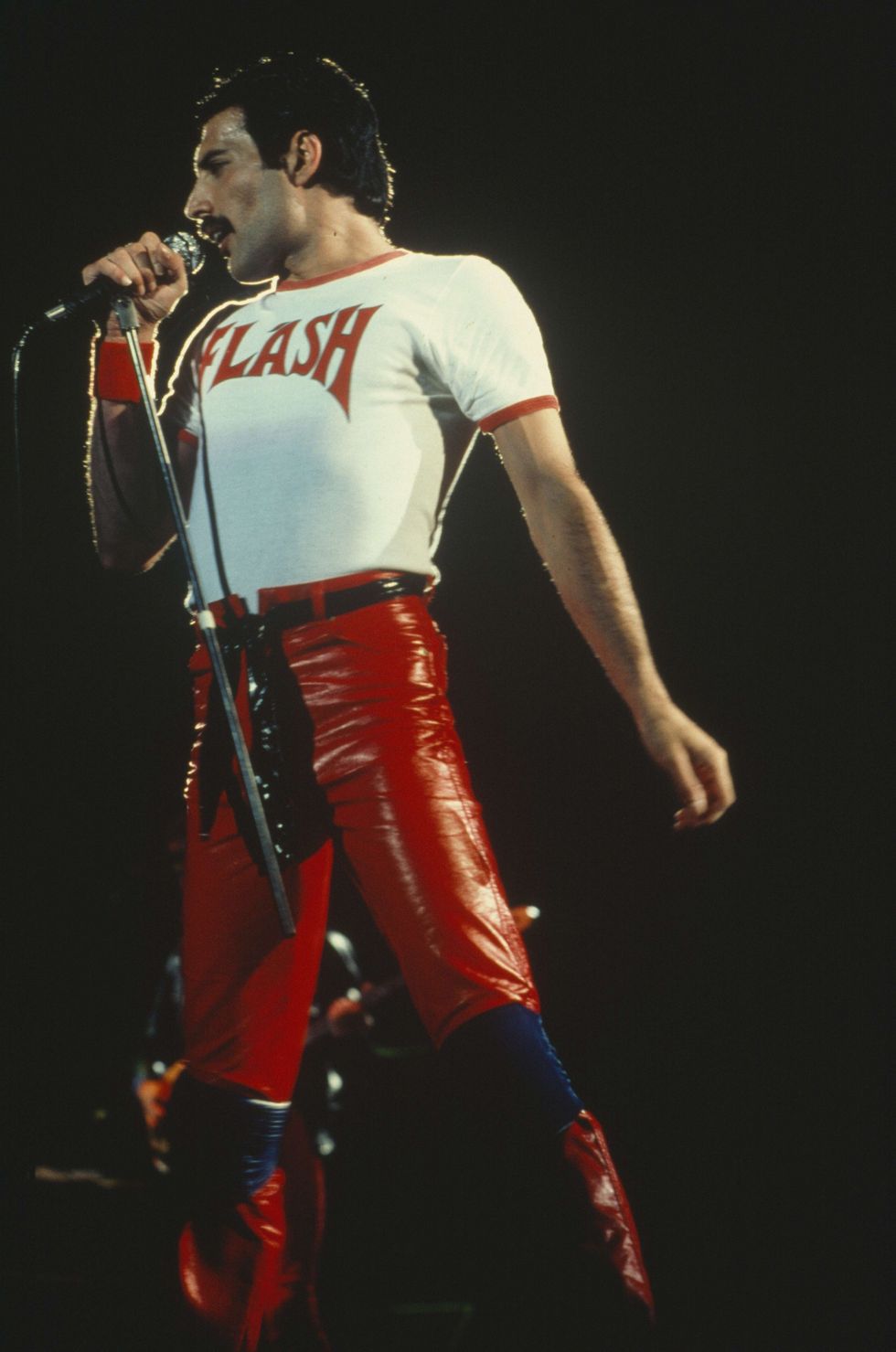 Freddie Mercury performs wearing a 'Flash' t-shirt at Sports Arena in San Diego, California, United States, on 5th July 1980David TanShinko Music/Getty Images
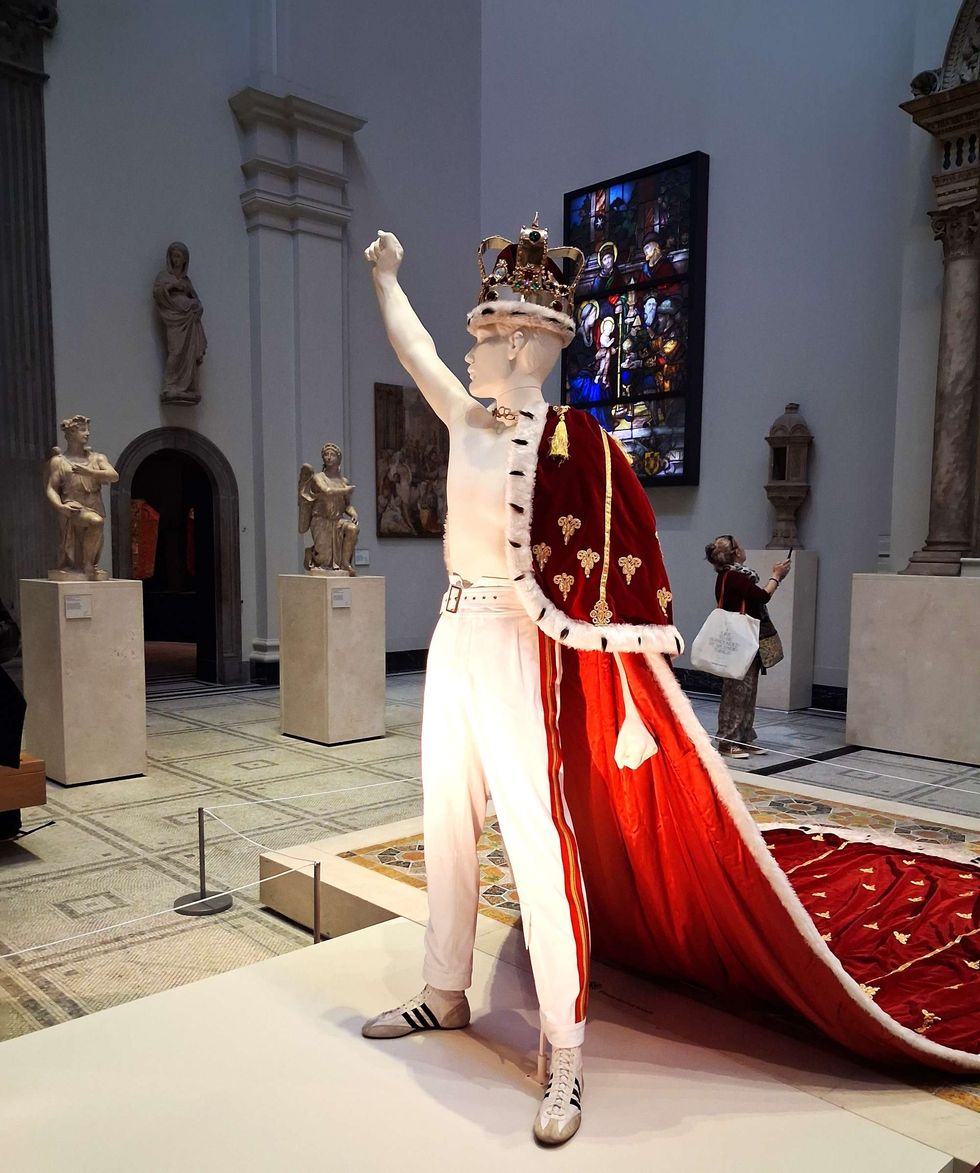 Cloal and crown ensembleAmit Roy
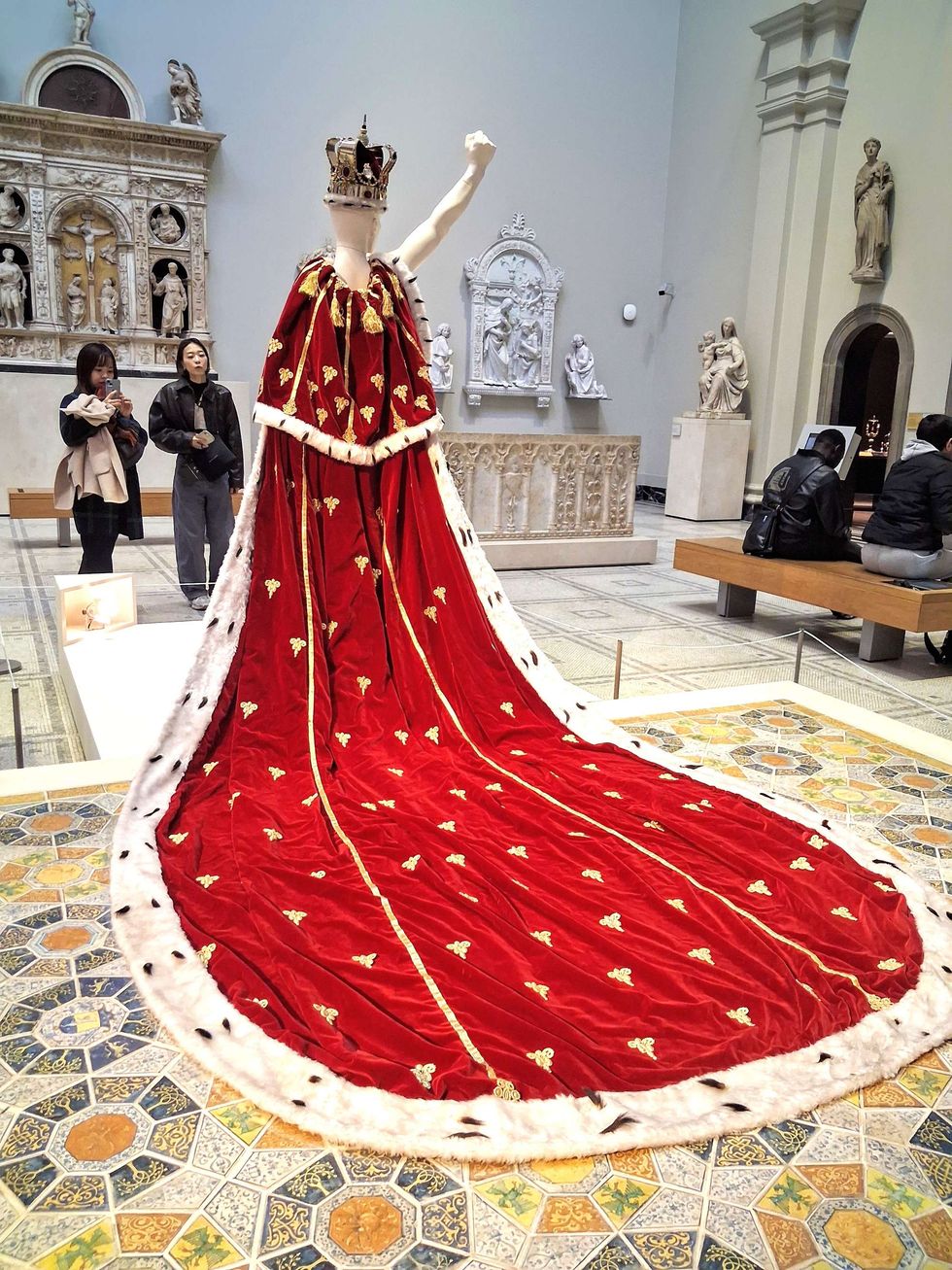 Cloak and crown ensemble (1986)Amit Roy
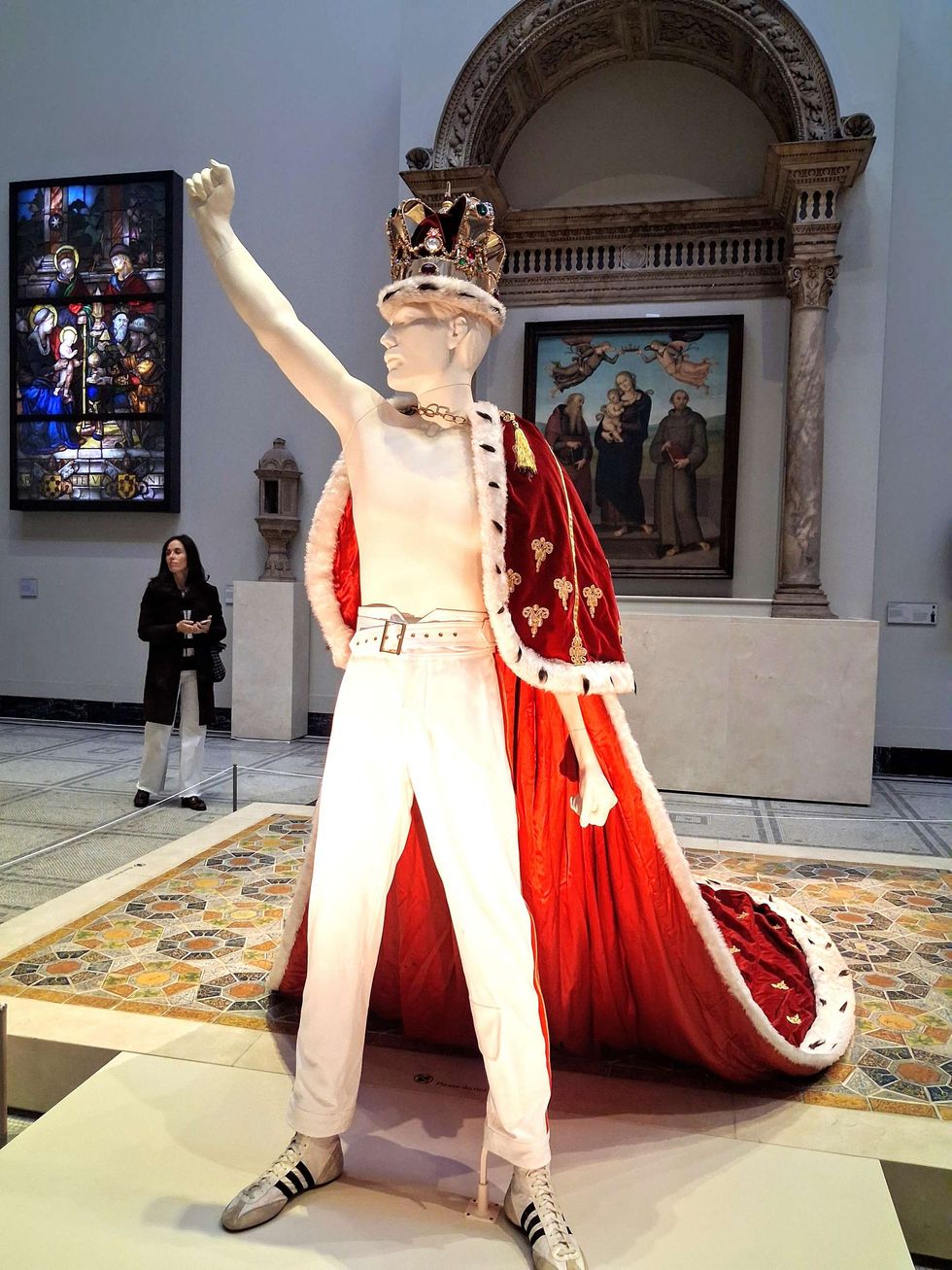 Cloak and crown ensemble (1986)Amit Roy
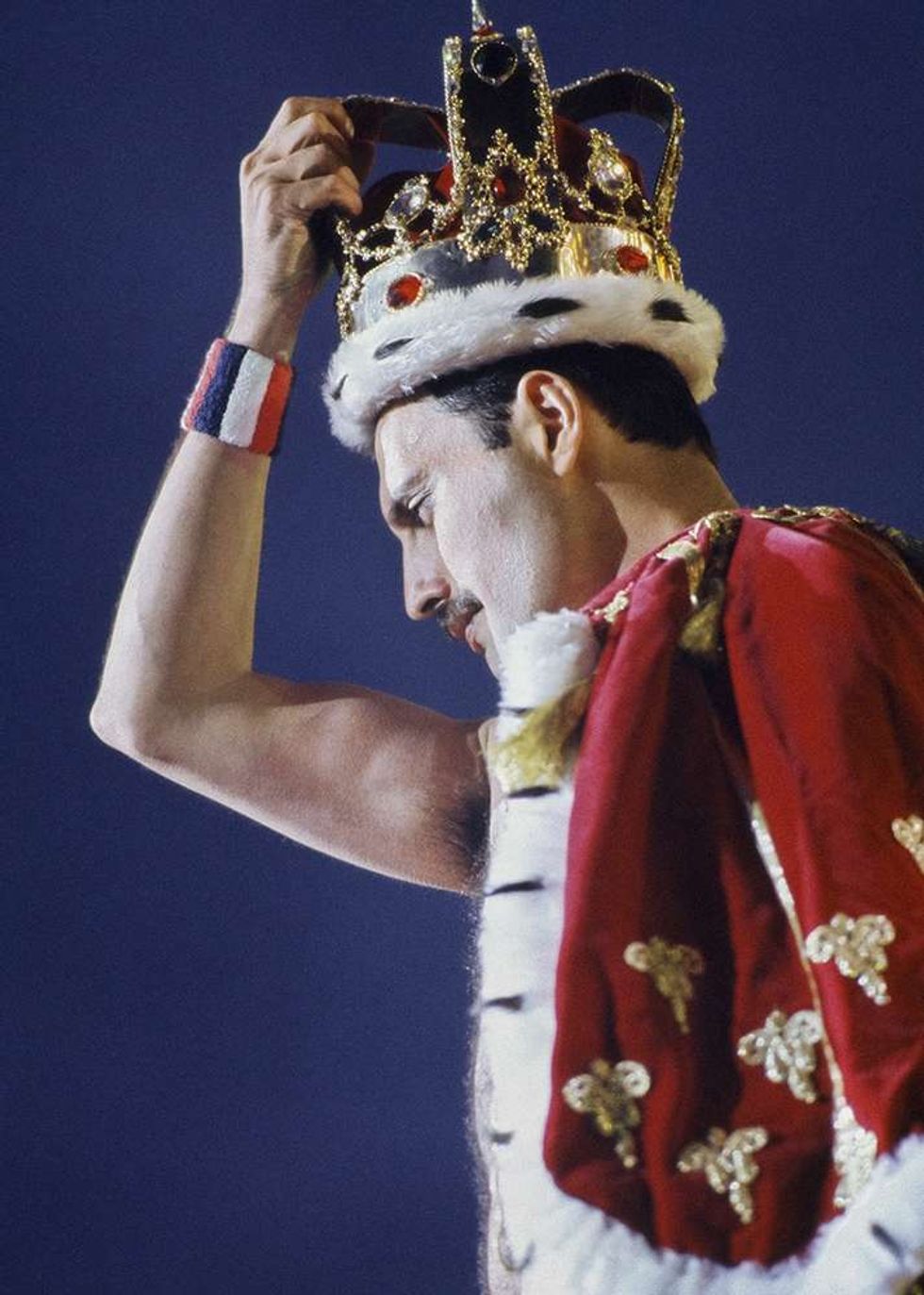 Freddie Mercury, Magic Tour (1986) Denis O’Regan