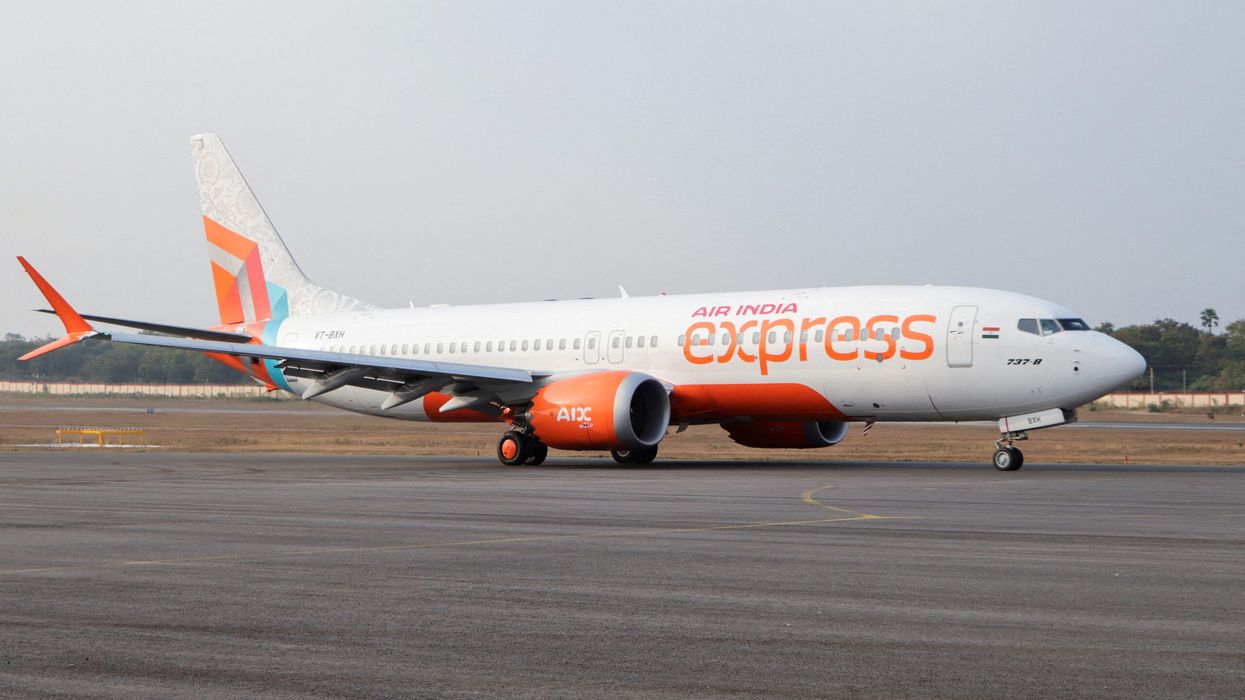

Air India Express employees have returned to work, ending a strike that caused disruptions in flight operations. The budget carrier had to cancel flights for two consecutive days due to cabin crew reporting sick.
"We sincerely apologise to those inconvenienced by these unintended disruptions," said an Air India Express spokesperson in a statement to Reuters.
Over the past two days, the airline cancelled at least 175 flights, with several others experiencing delays.
Out of its daily schedule of over 360 flights, 85 were cancelled on Thursday alone, with more than 90 affected the day before.
Despite the challenges, the airline managed to operate 283 flights on Thursday, with assistance from Air India on 20 routes.
This disruption comes after Vistara, another Tata Group airline, had to reduce its flights in April due to a shortage of pilots.
Air India Express is now taking action against some employees who called in sick at the last minute.
The airline, which serves 31 domestic and 14 international destinations, has a fleet of over 70 aircraft and employs more than 2,000 cabin crew members.
Chief executive Aloke Singh acknowledged the widespread impact of the disruptions, stating that they "cascaded across the network."
He also mentioned that the company would need to adjust its schedule over the next few days to accommodate the situation.
(Reuters)