

Over the last few years, AI platforms have rapidly become a key point of discussion in the new business space. According to the highest-level AI executives, AI is practically a necessary tool to be inserted wherever and whenever possible.
According to recent statistics, AI adoption in businesses reached around 72% in 2026, up from 50% in the 2020-2023 period. Some studies have predicted that GDP growth available from AI could rise 26% by 2030. With that said, individual implementations of AI in business can still sometimes struggle, so where does this gap arise, and what have successful businesses using AI been doing to get them ahead?
 Image by Gerd Altmann from Pixabay
An Issue of Implementation
The primary issue that some businesses have with AI comes from a misunderstanding of when marketing promise meets achievable potential. In the right applications, AI can be an enormously powerful tool, unlocking opportunities for SMEs that would never be achievable via traditional methods alone. When poorly implemented, AI can add unnecessary overhead, create miscommunication, and leave customers lost or frustrated.
This isn’t a case of the technology itself being good or bad; it’s about knowing what it can really do beyond marketing promises, and finding a way to slot that into a particular environment. Do this right, and new businesses can start at a sprint, and existing businesses can significantly improve efficiency and output.
Targeted Application
Knowing which AI systems to use to maximise efficiency and profit means looking at proven systems and understanding how these work with existing workflows and customer bases. The most common and easily implemented examples here come from customer support AI.
If a business needs to stay in constant contact with customers for questions regarding stock or other small enquiries, keeping staff on hand can be expensive and time-consuming. AI customer support systems can take up the heavy lifting here, replying quickly and accurately 24/7 to common enquiries, and only taking staff time when necessary.
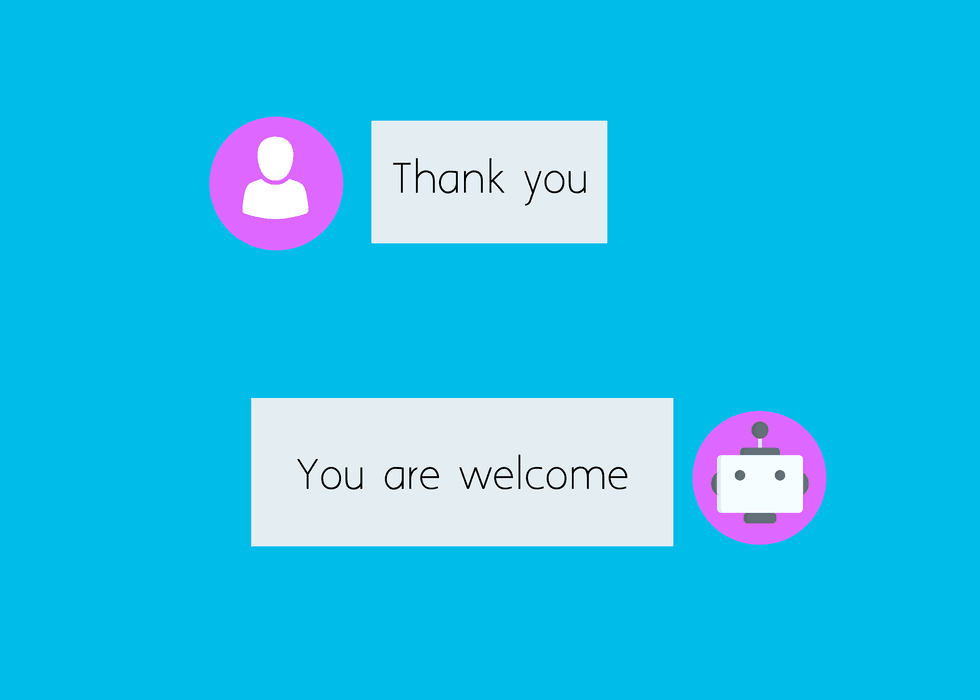 Image by Mohamed Hassan from Pixabay
More advanced and broad-reaching AI models are best leveraged when specifically designed for your industry. An AI customer engagement platform targeted for systems like online trading, for example, will be far more successful at achieving relevant goals than a general-use AI model inserted into a specialised market.
In this instance, the specialised AI includes tools for guiding customer journeys and gamification, which is not possible with generic AI systems. This provides better potential for activating visitors and retaining customers, again, above and beyond suggestions from non-targeted AI.
Managing Scale
With so much potential on the table from AI business systems, it can be tempting to jump in immediately, automating everything possible as early as possible. While automation through AI is a valid goal, this needs to be built on a solid foundation of understanding first.
A prime example of this was seen in 2021, when Zillow automated an AI system to purchase homes at AI-predicted house values. While this worked in the short-term, it overlooked how the housing market can rapidly shift and that the AI was trained on a specific and static data set. When the market did shift, the result was substantial financial losses in unprofitable homes and around a 25% reduction in Zillow's total workforce.
AI is becoming an increasingly important part of business, with benefits too great for many sectors to ignore. Taking advantage of the opportunities available means understanding where AI is working and how it interacts with traditional workflows. A tool is, after all, only as good as the craftsman holding it. Start slow, choose carefully, and you'll be far more likely to unlock what AI has to offer.






 Photo by