
Key points
- Yale researchers trial AI tool that reads single-lead ECG data similar to that captured by an Apple Watch
- Early results suggest around 92% accuracy compared with hospital-grade tests
- System could support earlier screening for structural heart disease, but more research is needed
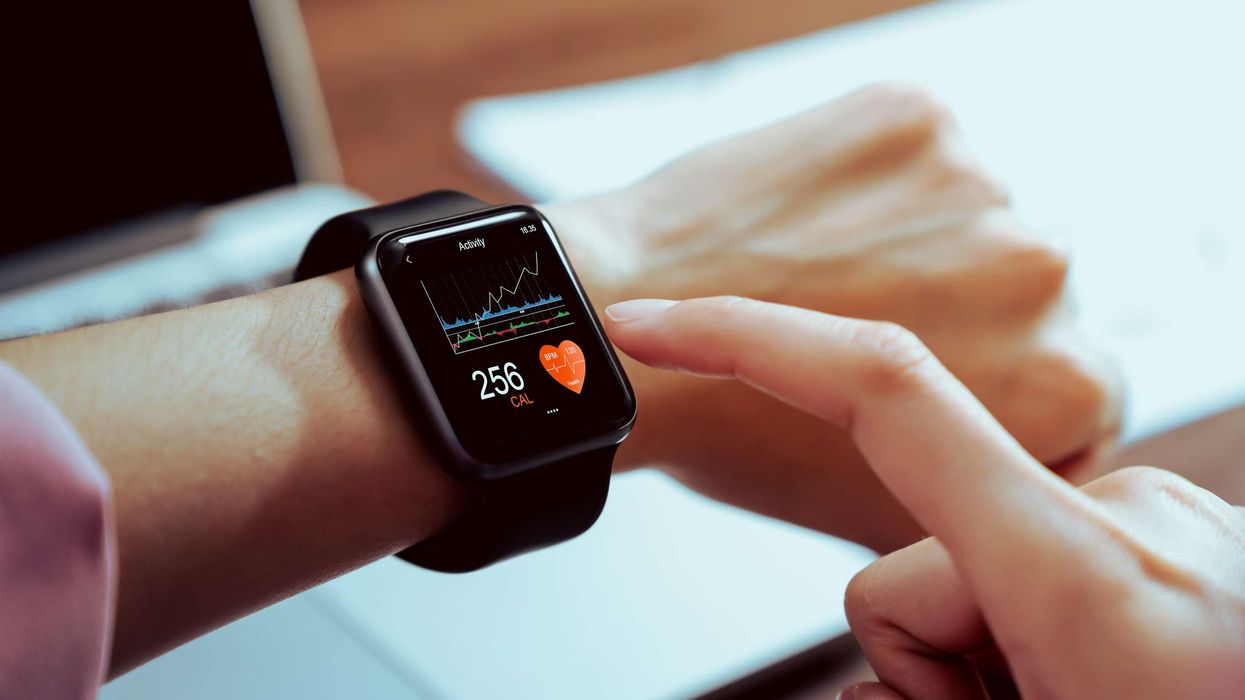
A smartwatch could one day help detect serious heart conditions earlier, after researchers reported promising results from an artificial intelligence tool designed to analyse ECG readings similar to those produced by an Apple Watch.
What the study looked at
Diagnosing structural heart disease, which includes problems such as damaged valves, thickened heart muscle and reduced pumping function, typically requires specialist equipment such as an echocardiogram. Smartwatches already offer single-lead ECG readings, but these are generally limited to identifying rhythm issues like atrial fibrillation.
Researchers at Yale School of Medicine developed an AI system trained on more than 260,000 hospital-grade ECG recordings from over 110,000 adults. The aim was to determine whether single-lead ECG data, when paired with AI analysis, could reliably detect structural heart issues.
How the technology was tested
After validating the model using patient data and a population-based study in Brazil, the team recruited 600 adults to complete 30-second, single-lead ECGs using a smartwatch. The device used in the trial featured an ECG capability similar to that found in the Apple Watch.
Researchers then compared the AI results with standard hospital diagnostics.
Early findings
The system demonstrated:
- 92% accuracy overall
- 86% accuracy in identifying people with structural heart disease
- 99% accuracy in ruling out disease
The study authors stressed that a single-lead ECG cannot replace the 12-lead tests used in clinical settings, but said the results suggest that smartwatch-based screening could play a role in early detection in the future.
“This could enable earlier screening at scale using devices many people already own,” the researchers said, while noting the technology remains at the research stage.
What’s next
The Yale team plans further evaluation, including trials in broader community settings, to understand how the tool could support early intervention and improve access to cardiac screening.
For now, the Apple Watch and similar devices are not approved to diagnose structural heart disease, but the findings point towards a potential new tool for preventive care, one that might eventually sit on millions of wrists.