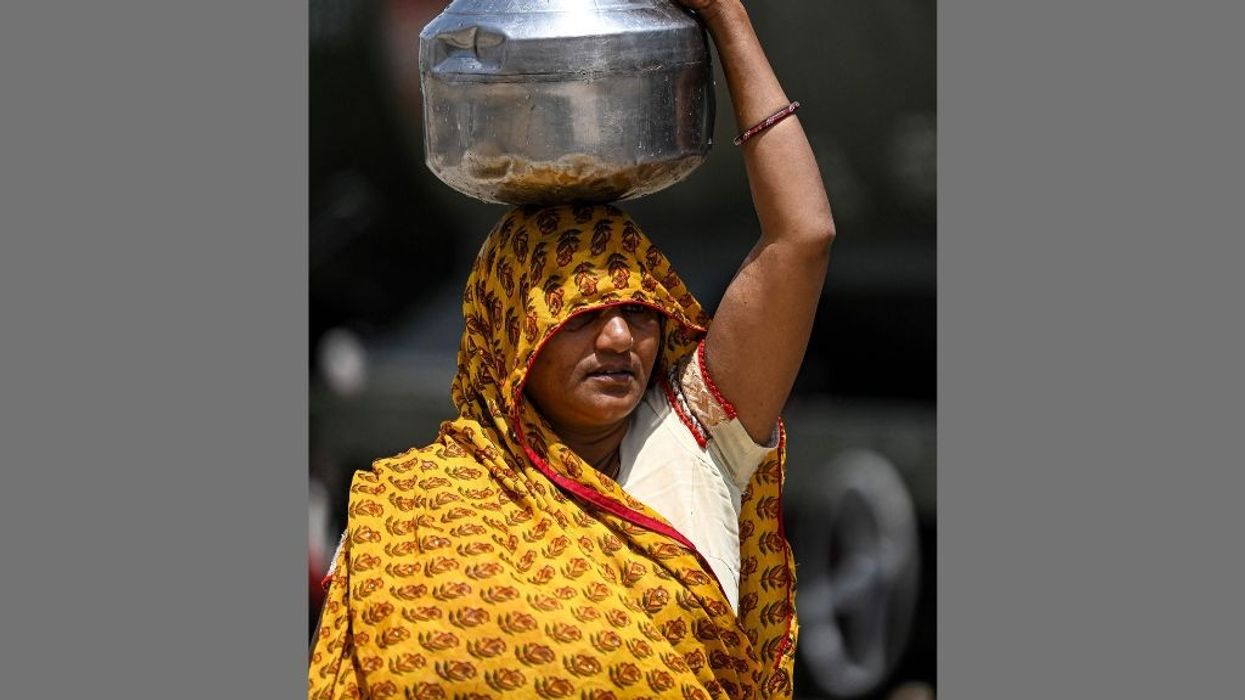

India is likely to experience heat waves between March and May, especially in the key wheat producing central and northern states, the weather office said on Tuesday (28), as the country recorded its highest ever maximum temperature in February.
A heat-wave for the second straight year could dent production of wheat, rapeseed and chickpeas, and complicate governments efforts to bring down food inflation.
Higher temperatures could also lift power consumption above supplies during the summer season.
"Enhanced probability of occurrence of heat wave during March to May season is likely over many regions of Central and adjoining Northwest India," the India Meteorological Department (IMD) said in a statement.
In March, the crucial month for the maturity of winter-sown crops, above normal maximum temperatures are likely over most parts of the country except peninsular India, it said.
"Wheat crop has already been witnessing stress due to higher temperature. Warmer March would definitely lead to yield loss," said a Mumbai-based dealer with a global trade house.
India grows only one wheat crop in a year, with planting in October and November, and harvesting from March.
A heat wave curtailed India's wheat production in 2022 and forced the world's second largest producer to ban exports.
Average maximum temperature in February was 29.54 degrees Celsius, the highest since 1901, when the IMD started keeping weather records.
The country received 68 per cent lower rainfall than the normal in February, the weather office said.
Government officials warned last year the country could see more frequent heat waves in future and that average temperatures, even during the monsoon season, have been rising over the last two decades.
"Temperatures have already touched unusual highs at some places in the country," India's health ministry said in a letter, seen by Reuters, sent to all states and union territories on Tuesday.
The government directed health departments across the country to implement "heat-related health action plans".





 CFIndia co-chair Dr Koolesh Shah CFIndia
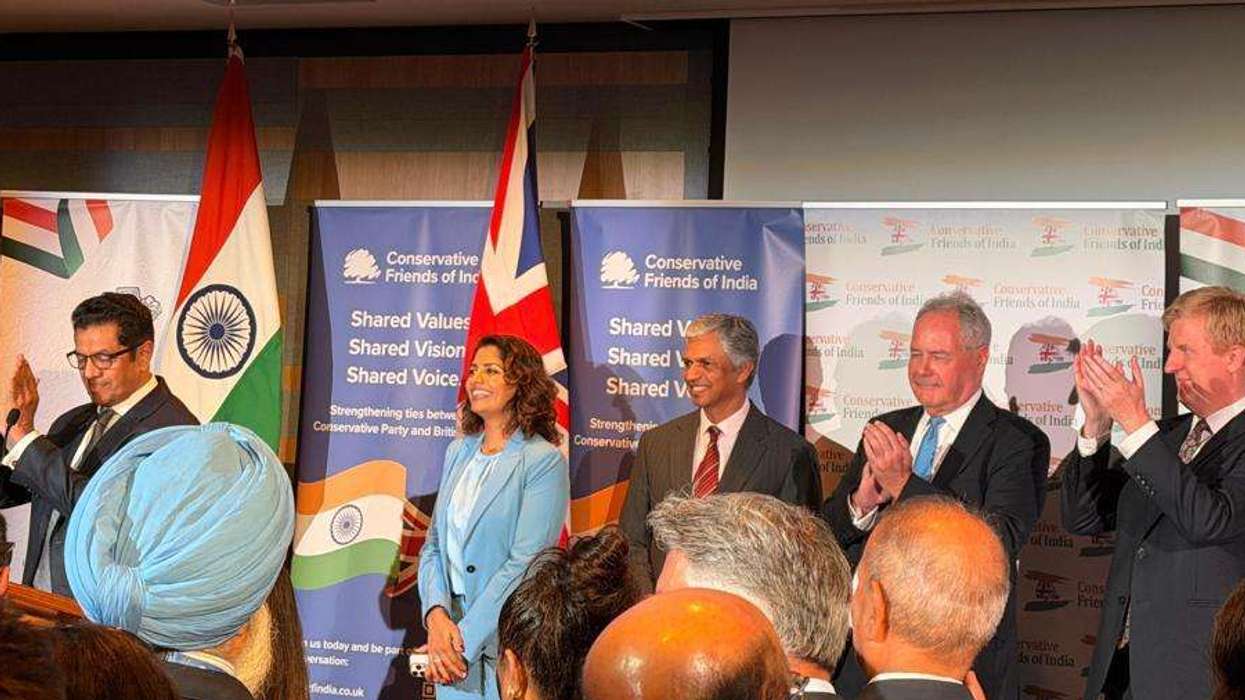
 Nearly 500 attended the Conservative Friends of India event.CFIndia
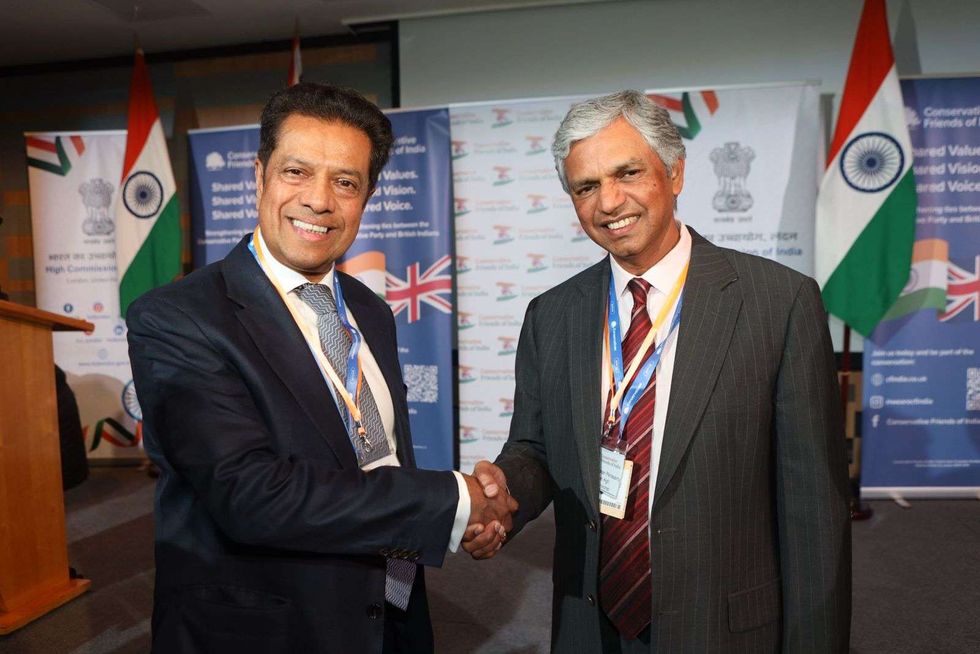 CFIndia co-chair Dr Koolesh Shah with Indian High Commissioner to the UK Kumaran PeriasamyCFIndia