

Aakash Odedra’s transcendent solo, Songs of the Bulbul, co-created with Kathak choreographer Rani Khanam and set to an original score by Rushil Ranjan, is to tour to four UK venues in June and July. This is a rare second chance for UK audiences to see the much-acclaimed work which had its world premiere at the 2024 Edinburgh International Festival. It was named the Edinburgh International Festival’s Best Show by The List and The Guardian’s second favourite dance work of the year. Earlier this year it was performed for the Princess of Wales at Belgrave Neighbourhood Centre in Leicester.
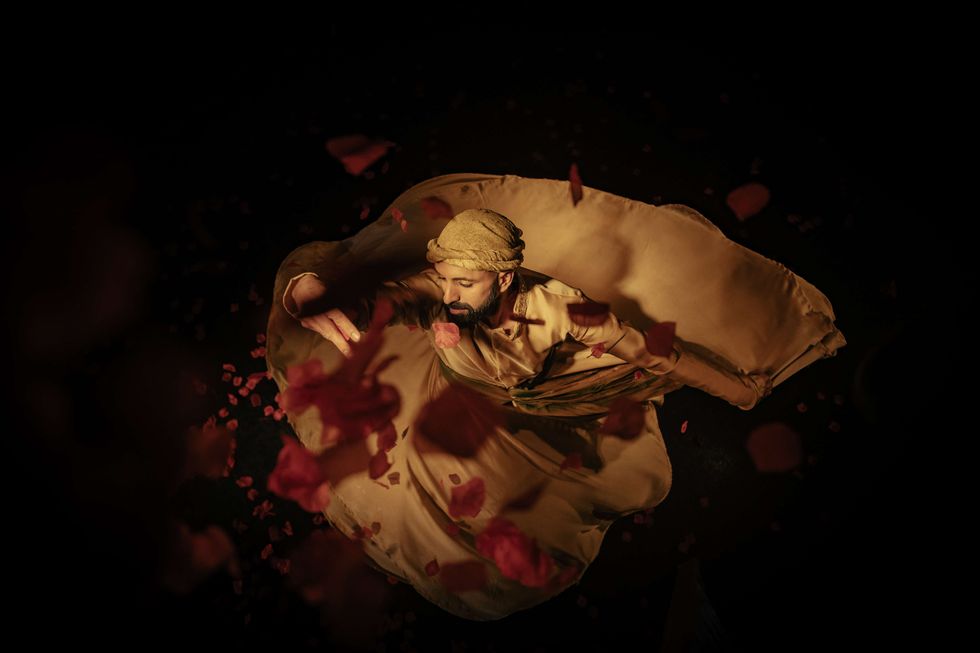 Aakash Odedra in Songs of the BulbulAngela Grabowska
An exploration of longing, surrender, beauty and the fragility of life, Songs of the Bulbul blends Kathak technique with contemporary physicality and Sufi poetic traditions. Unfolding as a ritualistic journey through movement, sound and atmosphere, it lays bare Odedra’s personal and spiritual dance landscape on stage. Music, sculptural lighting and symbolic imagery combine to create an immersive theatrical world that is both intimate and expansive.
Rani Khanam’s exquisite storytelling choreography features expressive hand gestures and flowing lines through space. Renowned for her intimate knowledge of Islamic and Sufi texts, Khanam has worked widely with Sufi musicians, singers and dancers from across the Islamic world.
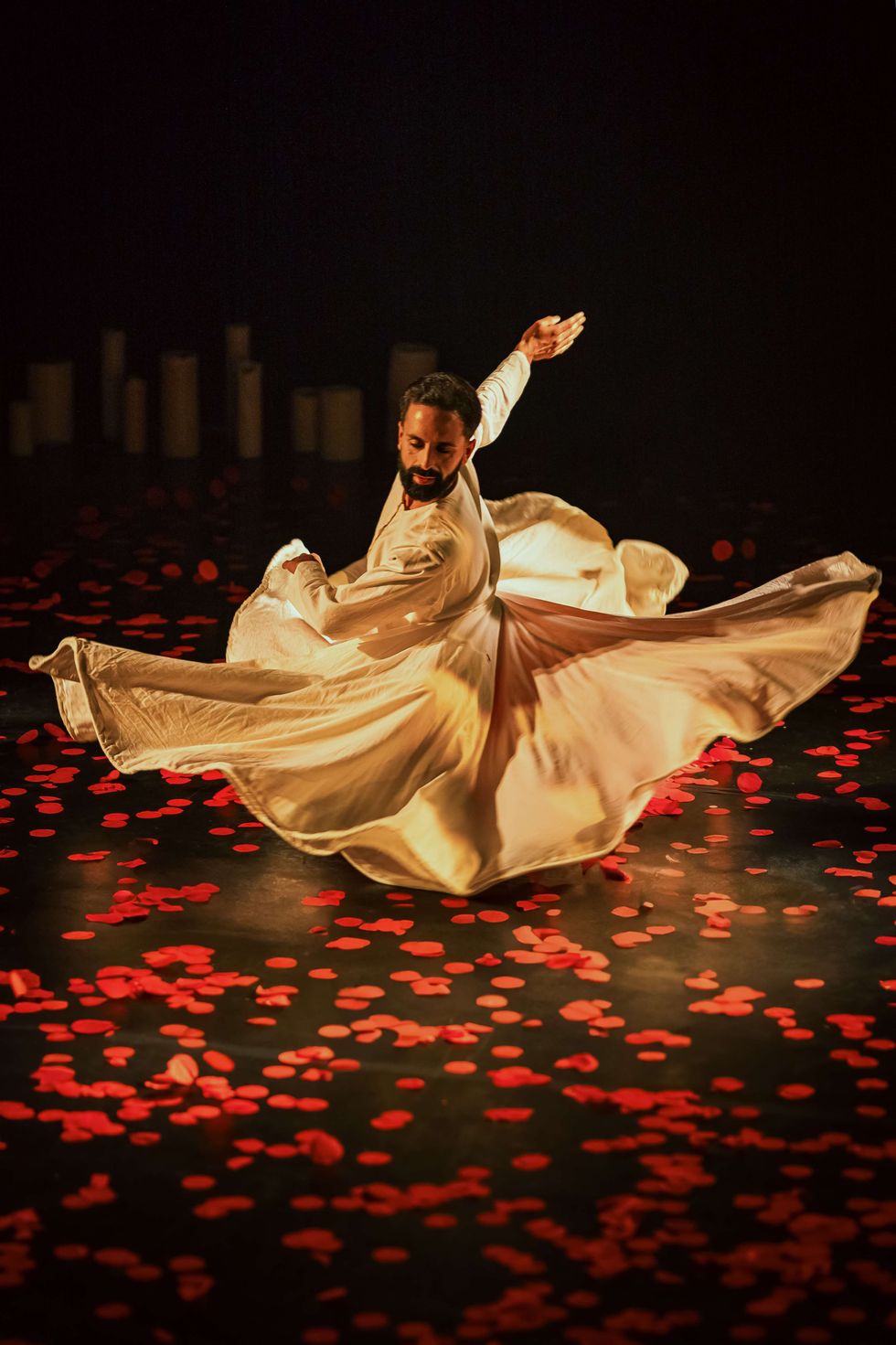 Aakash Odedra in Songs of the BulbulAngela Grabowska
Rushil Ranjan is renowned for his distinctive ability to bring together Indian and Western classical traditions. His original score is written for orchestra, Qawwali singers and other Indian classical musicians, played in a recording by the pioneering Manchester Camerata.
Together, Odedra, Ranjan and Khanam tell an ancient Sufi myth about the bulbul, a Persian nightingale, a symbol of the beauty of the natural world and the pursuit of religious enlightenment, which, when captured, sings a glorious tune. The song reaches an inexpressibly beautiful pitch in the moments before it perishes from despair.
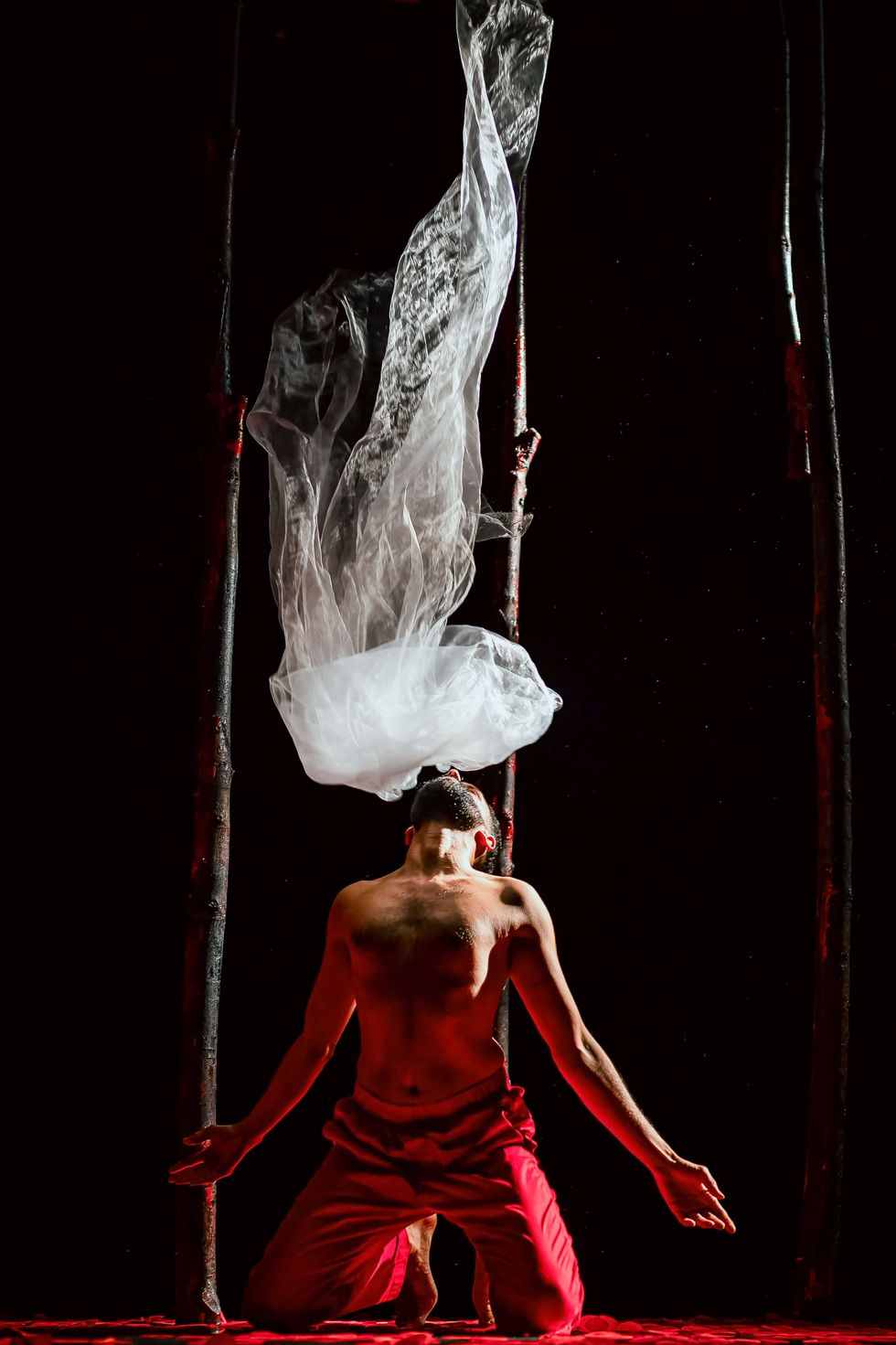 Aakash OdedraAngela Grabowska
At its heart, Songs of the Bulbul carries a personal dedication from Aakash Odedra to his late mother, affectionately known as his “smiling bulbul”, adding an intimate emotional resonance to its universal themes.





 Kate Varah Adama Jalloh
 Hiran Abeysekera (Hamlet) in Hamlet at the National Theatre. Sam Taylor
  Ncuti Gatwa as Algernon in The Importance of Being Earnest at the National Theatre Marc Brenner
 Sharon D Clarke as Lady Bracknell in The Importance of Being Earnest at the National Theatre Marc Brenner
  Indhu Rubasingham left and Kate Varah Amit Roy
 The company of Bacchae at the National Theatre Marc Brenner
  Ballet Shoes poster National Theatre
  Rosamund Pike (Jessica) in Inter Alia at the National Theatre resize Manuel Harlan