
Highlights
- Pharmacy First launched January 2024, allowing treatment for minor illnesses without GP appointment.
- Service has freed up NHS capacity, but many patients still unaware pharmacies can provide consultations and treatment.
- Winter sees increased demand for conditions including sinusitis, sore throats and earache, plus flu vaccinations.
People across the West Midlands are being encouraged to visit their local pharmacies as GP surgeries and hospitals experience a winter surge in demand.
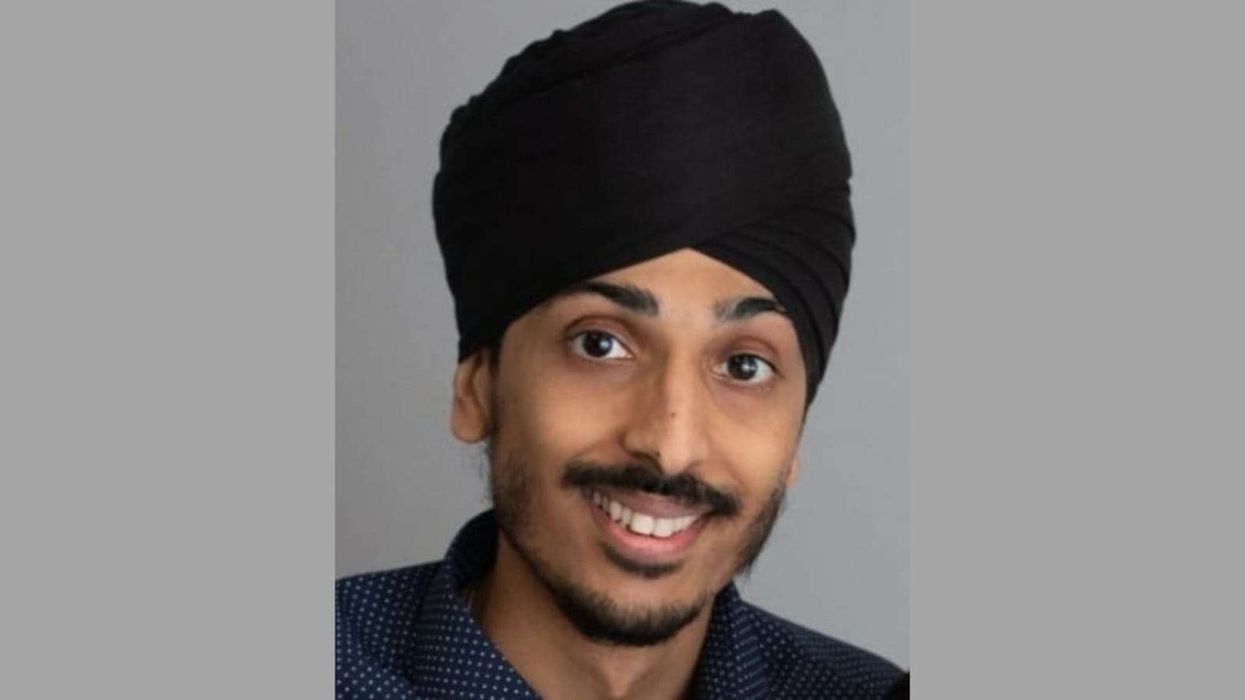
Jagjeet Sagoo, Group Pharmacy manager of Pan Pharmacy with branches across Birmingham, is highlighting the benefits of the Pharmacy First scheme as GP practices and hospitals across the West Midlands experience a winter surge in demand.
The Pharmacy First scheme, launched in January 2024, enables patients to receive advice and treatment for various minor illnesses as well as medication guidance without needing a GP appointment.
Sagoo said the service has proven highly accessible, but many patients remain unaware of what pharmacies can offer.
"Around this time of year, we see sinusitis, sore throats, earache in children and the feedback from patients is this is very accessible," Sagoo said.
"Doctors and GPs are stretched and are at capacity, especially capacity to see every query that comes in."
He explained that pharmacists undergo five years of training and are well-equipped to assess conditions and provide treatment, preventing many cases from becoming complex.
Rising winter demand
Pharmacies are also experiencing significant demand for flu vaccines, with walk-in services available throughout the seasonal period. "These services may stop at the surgery, they don't stop at pharmacies," Sagoo added.
The service has freed up GP capacity for more complex cases, though initial patient response revealed surprise at what pharmacies could provide.
"A lot of patients come to us because we're their last resort when in fact we could have seen them as a first resort," Sagoo said.
He noted that early implementation faced challenges, with patients expressing reluctance, saying "I want to see a GP." However, attitudes have gradually shifted as awareness grows.
Sagoo emphasised the importance of continued patient education, particularly for those from deprived backgrounds who may feel unsupported when unable to secure GP appointments.
"Illnesses going untreated, even though they might start minor, can very quickly turn if they are not treated promptly and appropriately," he warned, stressing the service's importance during winter months.
Local Democracy Reporting Service (LDRS)