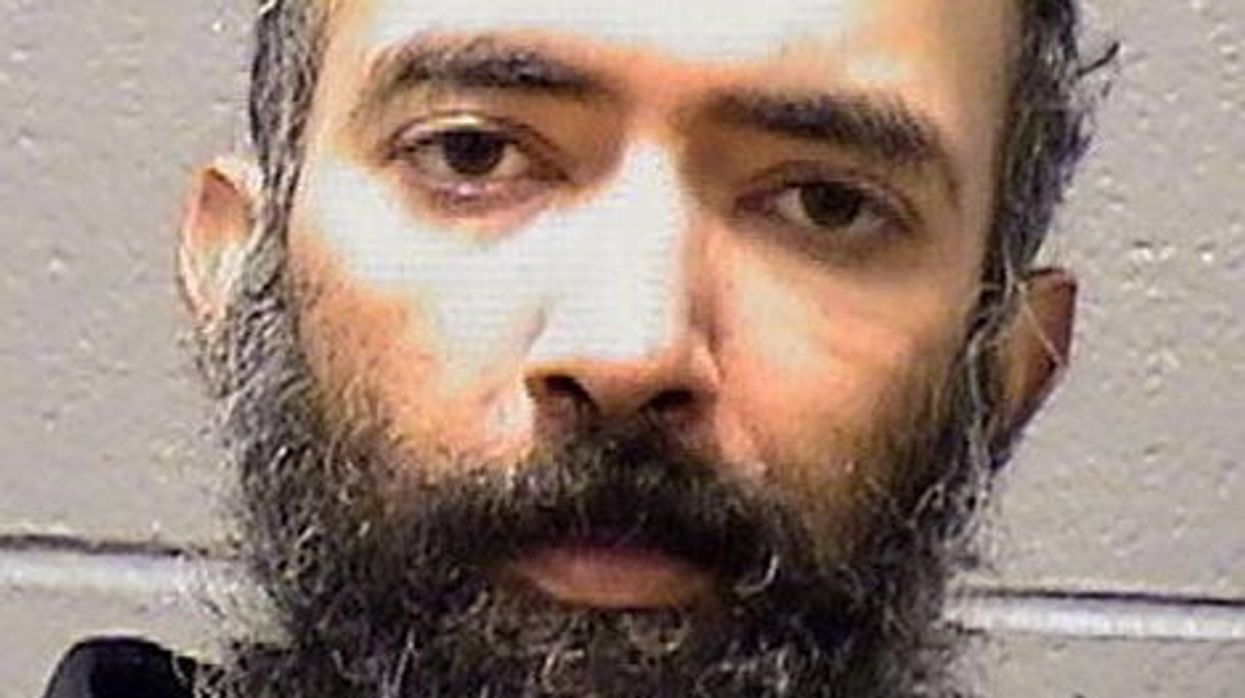

A US judge has acquitted the real-life 'Terminal man' from India, who spent three months living in a secured terminal at Chicago's O'Hare Airport, like Tom Hanks' character in the movie The Terminal, media reports said.
Aditya Singh, 37, was acquitted on a felony trespassing charge by Cook County Judge Adrienne Davis.
Singh was arrested in Chicago on January 16 after he spent three months undetected at a secure area at one of the world's busiest airports, The Chicago Tribune reported.
He was too scared to fly due to the coronavirus pandemic and lived undetected at the airport, the court heard.
Singh still faces a separate escape charge related to an alleged violation of electronic monitoring while he was free on bond earlier this year. That case is due in court Friday (29), the report added.
He came to the US six years ago to complete his master's degree. Singh boarded a Chicago-bound flight from Los Angeles on October 19, 2020, to travel to India.
Prosecutors said Singh told authorities that the coronavirus pandemic left him too afraid to fly, he instead remained in the airport, often relying on the kindness of strangers to buy him food.
According to the report, Singh hid in the airport's secured terminal with access to shops, food and public bathrooms until his arrest after two United Airlines employees asked to see his identification.
He showed them an airport ID badge that an operations manager had reported missing in late October 2020, prosecutors said.
His arrest made national headlines, with comparisons to the Tom Hanks movie.
The Transportation Security Administration, which regulates security for the Chicago department of aviation, launched an investigation into the incident.
The investigation has found that Singh did not violate airport regulations and no evidence to prove that he left the secured public side of the airport were produced.
“Singh did not breach or improperly enter secured areas — he arrived there like tens of thousands of arriving passengers do every day, by stepping off a plane,” Christine Carrino, an aviation department spokeswoman, said in a statement to the Tribune earlier this year.
“While we won't speculate on Singh's motivations, he decided to remain in the secure area and made every effort to blend in as a passenger and airline employee until his arrest.”
Singh does not have a prior criminal record, the report added.
After finishing his studies at Oklahoma State University in summer 2019, he moved to Orange, California, southeast of Los Angeles, and lived with a man who told the Tribune he had offered Singh a place to live in exchange for helping him care for his elderly father and other odd jobs.
According to the man, he planned to return to India in October 2020, where his mother lives, as his visa was expiring.