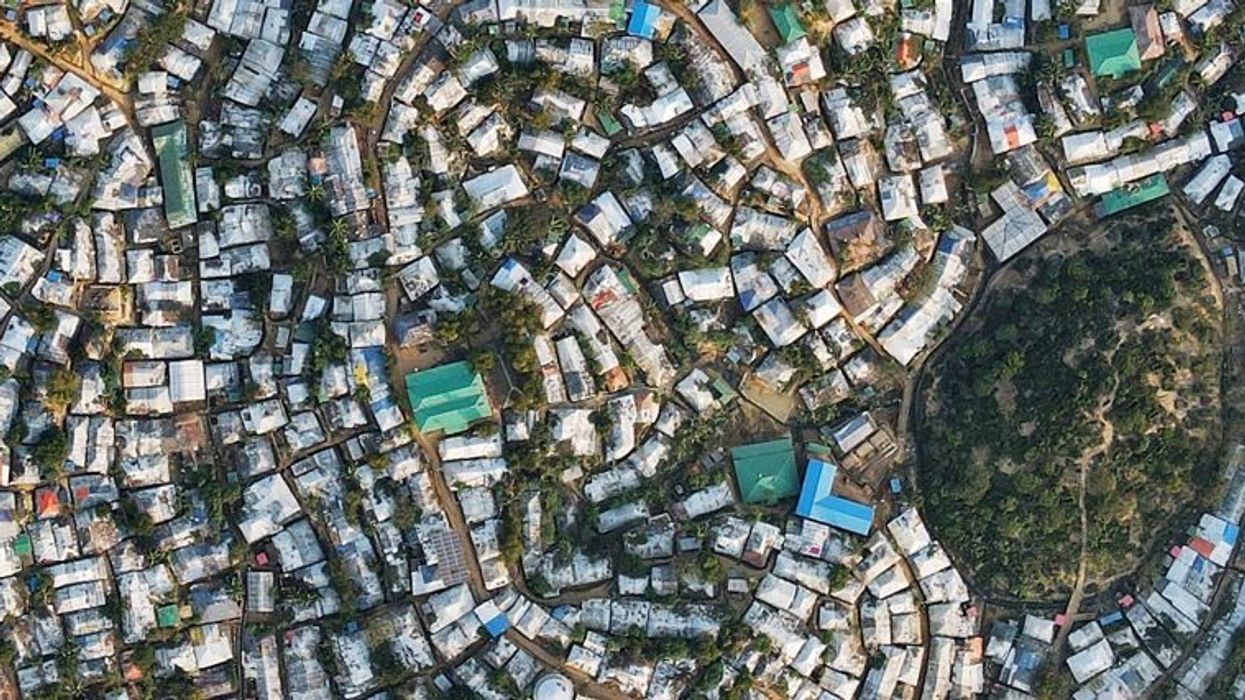

THE United Nations refugee agency on Tuesday (17) urged the international community to keep focus on the plight of the Rohingya refugees amid a funding crunch and the lack of long-term solution for their safe return to Myanmar.
Nearly one million Rohingya Muslims fled a military-led crackdown in Buddhist-majority Myanmar in 2017 and are now living in camps in Bangladesh in what UN High Commissioner for Refugees, Filippo Grandi, described as “the biggest humanitarian refugee camp in the world”.
The UN has managed to secure only 42 per cent of the $875.9 million (£718.4m) needed for the Rohingya refugee this year, which makes shortterm support for the refugee population in the camps difficult, Grandi told Reuters. “This decline in humanitarian assistance makes it more difficult to continuously, for example, renew the shelters,” Grandi said. “You have to invest money all the time and that money is becoming short, so conditions are now beginning to regress.”
Grandi was in Bangkok on Tuesday to host a meeting with officials in the region on the Rohingya issue, seeking pledges and support from governments and the private sector ahead of the Global Refugee Forum in December.
Grandi praised Bangladesh for “miraculous” works in maintaining the Rohingya camps, allowing education for the Rohingya children, and said the United Nations is currently discussing with Bangladesh on allowing refugees to work to support their livelihood in the camps.
Improvements to the humanitarian situation in Myanmar, particularly on improving relations between Buddhist and Muslim communities and economic development, are essential to ensure a safe return for the Rohingya to their home, Grandi said.
Meanwhile, Britain on Tuesday announced a further £4.5 million in humanitarian support for Rohingya refugees in Bangladesh.
“The UK is committed to finding a long-term solution to the Rohingya crisis. This includes their safe, voluntary and dignified return to Myanmar, when the conditions there allow,” Anne-Marie Trevelyan, Minister for the Indo-Pacific, said in a statement. “Until the Rohingya can safely return to their homeland, we are committed to providing ongoing humanitarian support.”
Myanmar has been under military rule since a 2021 coup and the junta have shown little inclination to take back any Rohingya, who have for years been regarded as foreign interlopers in Myanmar, denied citizenship and subjected to abuse.
The Myanmar coup has also triggered conflict with a resistance movement and armed ethnic groups across the country, displacing more than a million people, the UN said. Myanmar junta spokesman did not answer calls from Reuters seeking comment.
UNHCR high commissioner said Myanmar’s neighbours can do more to press the military government on humanitarian concerns. “They are the best place to pass messages and to ensure that humanitarian concerns are heard,” he said. (Reuters)





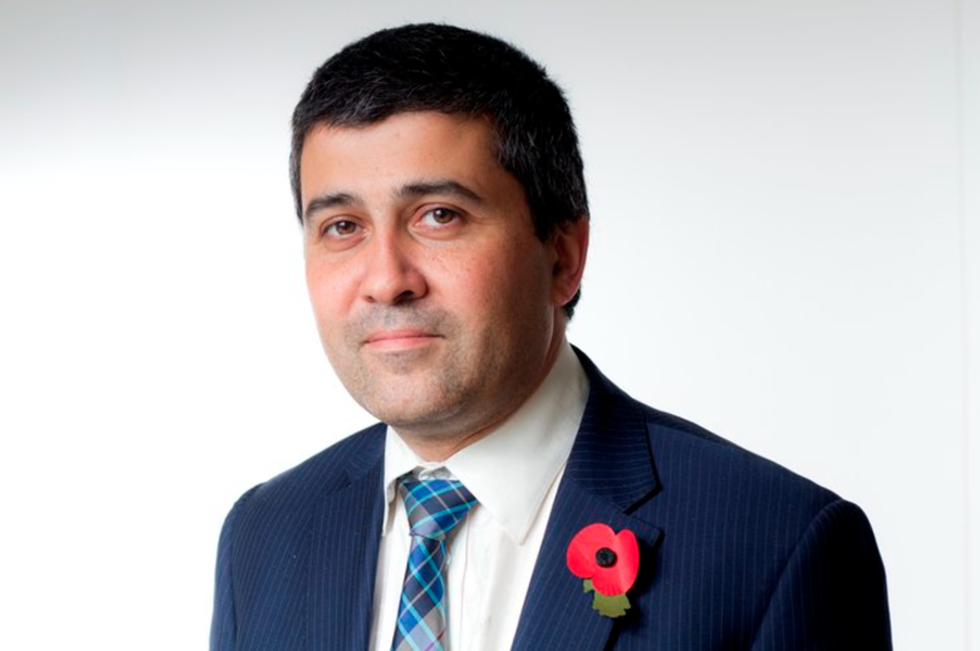 Sunder Katwala
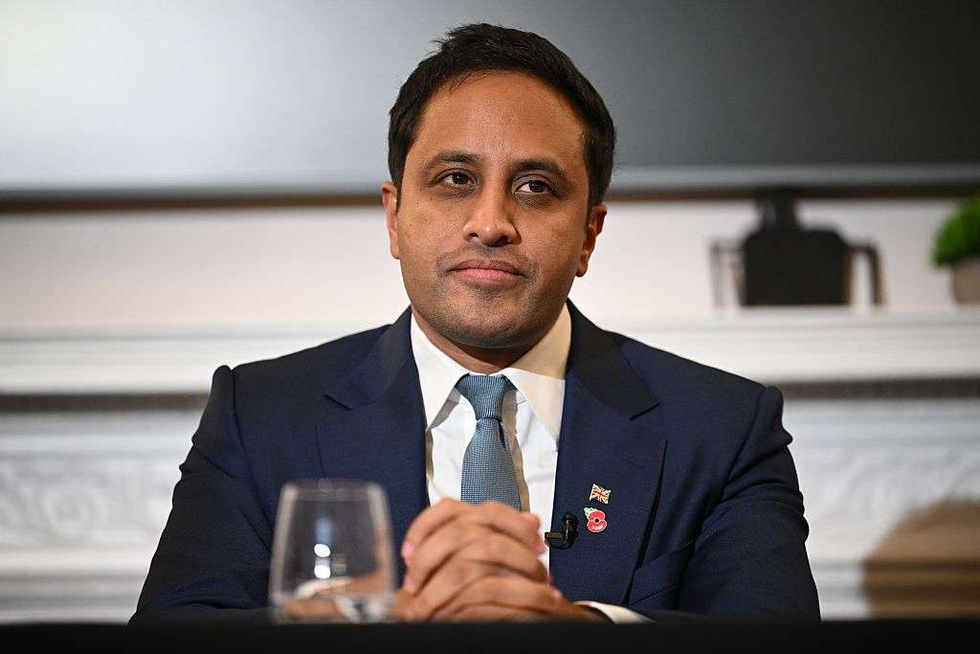 Reform UK spokesperson for home affairs, Zia Yusuf, attends a press conference with Leader of Reform UK Nigel Farage at The Clermont London Hotel on November 2, 2026 in London, United Kingdom. (Photo by Ben Montgomery/Getty Images)
 The decline has renewed calls for tighter immigration controls from the Conservatives.


