
- The UK restaurant market is forecast to reach £18.7 billion in 2026.
- Fine dining is expected to lead growth, while independent restaurants continue to lose ground.
- Rising costs and cautious consumer spending are likely to keep pressure on smaller operators.
The UK restaurant market is expected to grow to £18.7 billion in 2026, but the latest industry forecasts suggest the gains will not be shared equally across the sector.
According to Lumina Intelligence's UK Restaurant Market Report, overall market growth is expected despite ongoing pressure from higher operating costs, inflation and cautious consumer spending. While premium restaurants are forecast to perform well, many independent operators are expected to face another difficult year.
The findings point to a restaurant industry where consumer demand remains resilient, but profitability is becoming increasingly dependent on pricing power, operational scale and the type of dining experience being offered.
A two-speed restaurant market is emerging
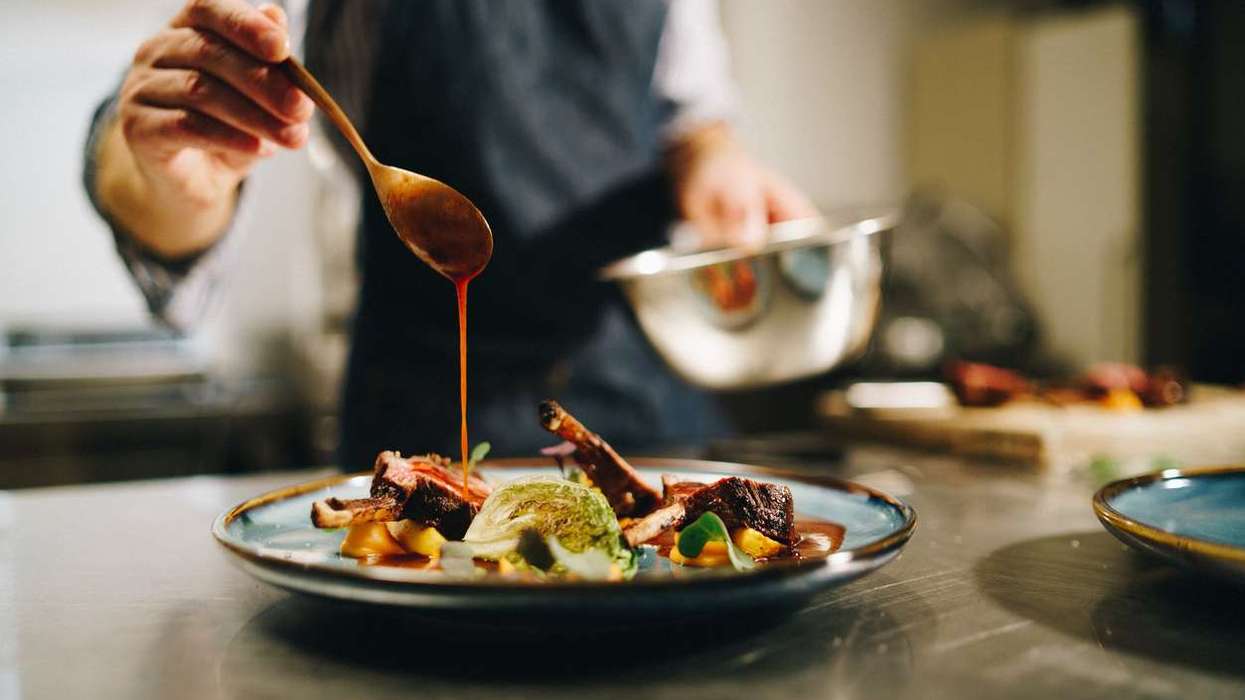
The report suggests fine dining will be the strongest-performing segment in 2026. Turnover is forecast to grow by 4.1 per cent, while the number of outlets is expected to increase by 2.5 per cent.
Analysts suggest higher-income consumers continue to spend on premium dining experiences despite wider economic uncertainty. Restaurants offering unique experiences, quality ingredients and destination dining appear better placed to attract customers willing to pay more.
The picture is very different for independent restaurants.
The report forecasts a 0.5 per cent decline in turnover among independent operators, alongside a 1.2 per cent fall in outlet numbers. Rising wage costs, food inflation, business rates and other operating expenses continue to squeeze margins, making it harder for smaller businesses to remain profitable.
Industry observers also expect consolidation to continue across the sector, with larger restaurant groups likely to strengthen their position through acquisitions while some independent businesses struggle to keep pace.
Growth continues but challenges remain
Although the overall market is forecast to expand, consumer behaviour continues to evolve.
Many diners are still eating out, but they are becoming more selective about where and how they spend their money. Value remains important, while premium experiences continue to attract customers looking for something beyond a standard meal.
The latest forecast suggests the UK restaurant industry is entering a more polarised phase. Market growth is expected to continue, but operators with strong brands, financial resources and clear customer propositions are likely to benefit the most, while many independent restaurants may continue to face significant financial pressure.
For the industry, the headline £18.7 billion market forecast signals continued demand. However, the report suggests the bigger story lies beneath the numbers, where growth is increasingly concentrated among premium and larger operators rather than being spread evenly across the sector.