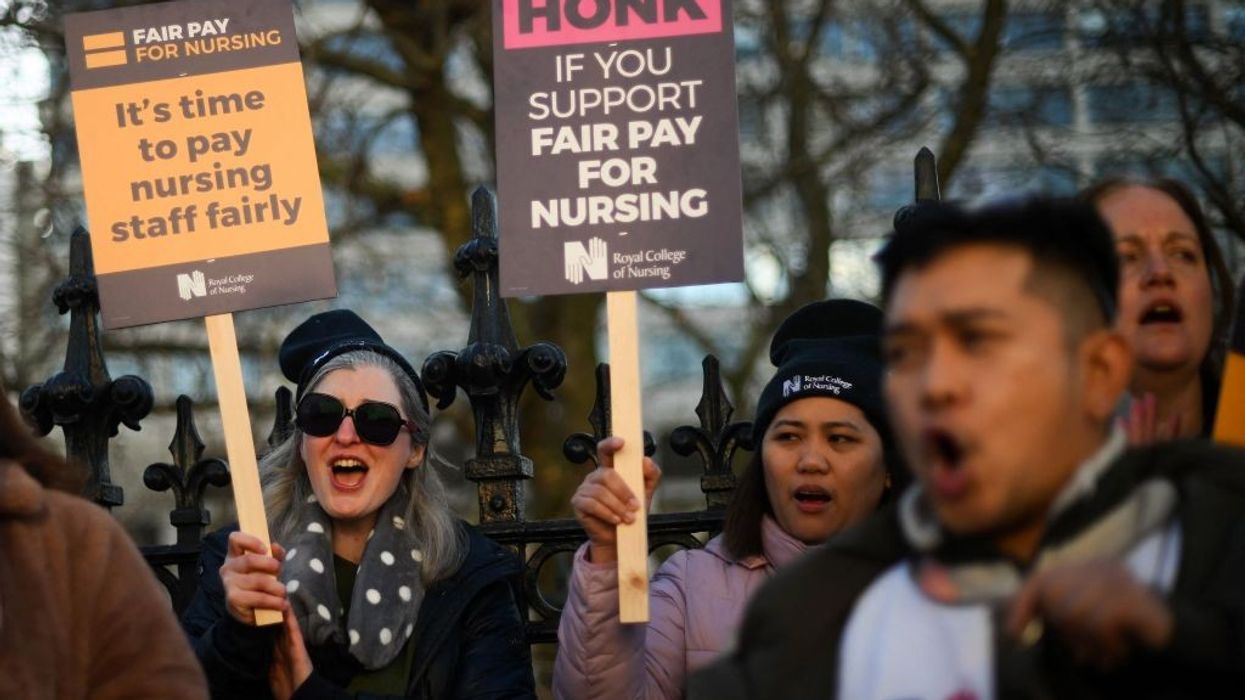
Nurses in England have rejected an offer of a five per cent pay rise and set out plans for further strikes, dealing a blow to Prime Minister Rishi Sunak's attempts to end the dispute and potentially further straining the country's health service.
About 54 per cent of nurses who took part in a ballot voted to reject the deal, said the Royal College of Nursing (RCN) trade union, which had recommended they accept. Turnout was 61 per cent of eligible members.
The RCN said its members would stage a 48-hour strike from April 30, which for the first time will be joined by nursing staff from emergency departments, intensive care units, cancer care and other services that were previously exempt.
Friday’s result represents a major setback for Sunak's government, which has been embroiled in pay disputes with hundreds of thousands of public workers as wages fail to keep up with double-digit inflation.
Tens of thousands of nurses have taken part in an unprecedented wave of strikes since December, disrupting an already strained national health service.
"Until there is a significantly improved offer, we are forced back to the picket line," RCN General Secretary Pat Cullen said in a letter to health secretary Steve Barclay.
"Meetings alone are not sufficient to prevent strike action and I will require an improved offer as soon as possible."
Sunak, who took office in October, has made cutting waiting lists for hospital treatment in the NHS one of his priorities, and faces local elections in May ahead of a national ballot expected next year.
Opinion polls have shown strong support among the British public for striking nurses, who the RCN says have suffered more than a decade of poor pay, contributing to thousands leaving the profession.
The result of the ballot comes after the government and healthcare trade unions agreed on a pay proposal comprising a one-off payment of two per cent of 2022/23 salaries and a five per cent pay rise for the 2023/24 year, which began this month.
Most unions including the RCN had recommended their members accept the offer, even though they had generally sought wage hikes more in line with inflation, which has been near 10 per cent in recent months.
Earlier on Friday, Unison, which represents ambulance staff and others health workers, said its members have voted to accept the offer.
"This offer was recommended by the union leaders themselves as being fair and reasonable. They recognised how far the government moved," chancellor of exchequer Jeremy Hunt told Sky News.
"What the public want is an end to these strikes."
Other high-profile pay disputes in Britain that have caused disruptive strikes - including those involving school teachers and the government and railway workers and their employers - remain ongoing.
(Reuters)
UK nurses reject pay offer, plan more strikes
About 54 per cent of nurses who took part in a ballot voted to reject the deal, said the Royal College of Nursing (RCN) trade union, which had recommended they accept