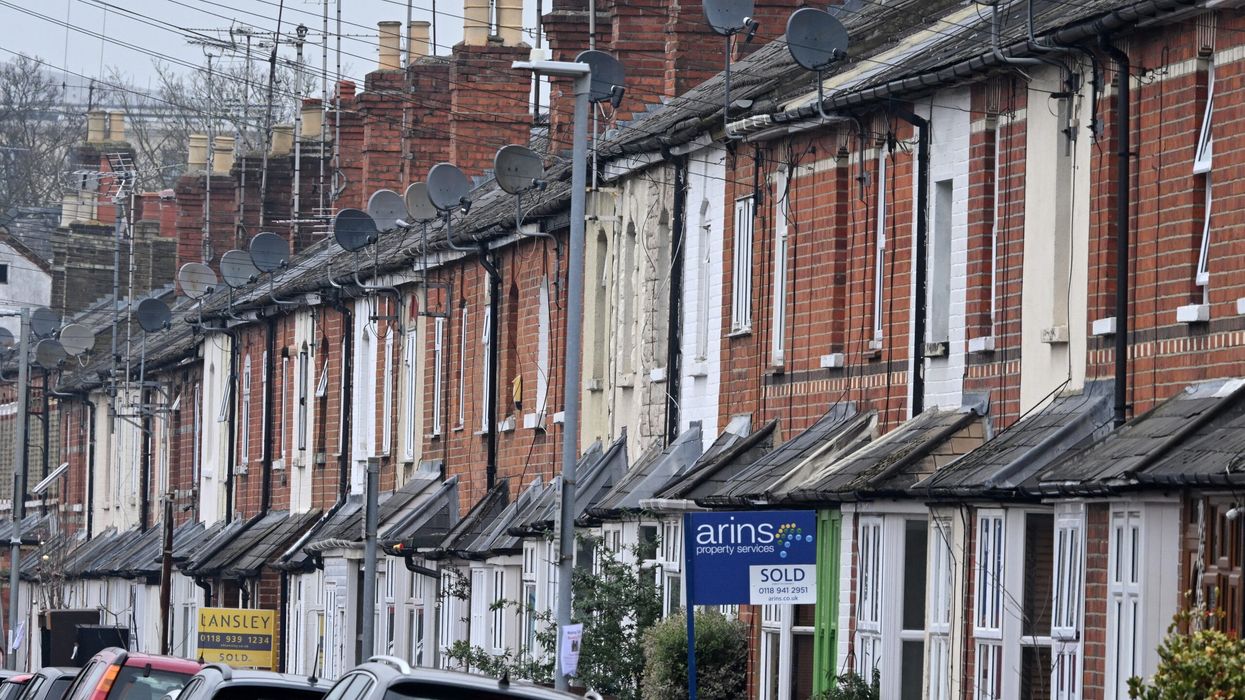

House prices in the United Kingdom (UK) surged in March, marking the fastest annual increase since December 2022, according to a survey released on Tuesday.
Nationwide Building Society, the UK's second-largest mortgage lender, reported that house prices were up by 1.6 per cent compared to the previous year, reaching an average of £261,142 ($328,229).
This acceleration in growth comes despite a slight decline of 0.2 per cent in March alone, which was the first drop since December 2023. Economists had anticipated a monthly rise of 0.3 per cent, along with a stronger annual increase of 2.4 per cent.
"Activity has picked up from the weak levels prevailing towards the end of 2023 but remains relatively subdued by historic standards," said Nationwide economist Robert Gardner.
He also pointed out that with house prices rising more slowly than wages, affordability constraints are gradually easing.
Rob Wood, chief UK economist at consultancy Pantheon Macroeconomics, predicted a 4 per cent rise in house prices for 2024, citing ongoing decreases in mortgage rates, reported Reuters.
British house prices had experienced significant volatility, initially surging more than 20 per cent during the Covid-19 pandemic but later declining slightly due to market uncertainties during Liz Truss' brief premiership and a rise in interest rates by the Bank of England to 5.25 per cent in August 2023, Reuters reported.
However, there are signs of recovery. The Bank of England's recent figures revealed the highest number of approved mortgages since September 2022, albeit still 10 per cent below pre-pandemic levels. The average interest rate on new mortgages also fell to a six-month low of 4.90 per cent in February.
Regionally, Northern Ireland saw the highest increase in prices over the past year at 4.6 per cent, while southwest England experienced the largest fall at 1.7 per cent. In London, prices increased by 1.6 per cent.
Robert Gardner, Nationwide's chief economist, highlighted that while UK house prices fell slightly in March, the annual rate of growth increased to 1.6 per cent.
He noted that although activity has improved from late 2023 levels, it remains subdued compared to historical standards due to factors such as higher interest rates impacting affordability.
British house prices in February rose in annual terms for the first time in more than a year. House prices were 1.2 per cent higher than in February 2023, the first annual increase since January last year, Nationwide reported.
Prices rose by a monthly 0.7 per cent between January and February this year.






 CFIndia co-chair Dr Koolesh Shah CFIndia
 Nearly 500 attended the Conservative Friends of India event.CFIndia
 CFIndia co-chair Dr Koolesh Shah with Indian High Commissioner to the UK Kumaran PeriasamyCFIndia