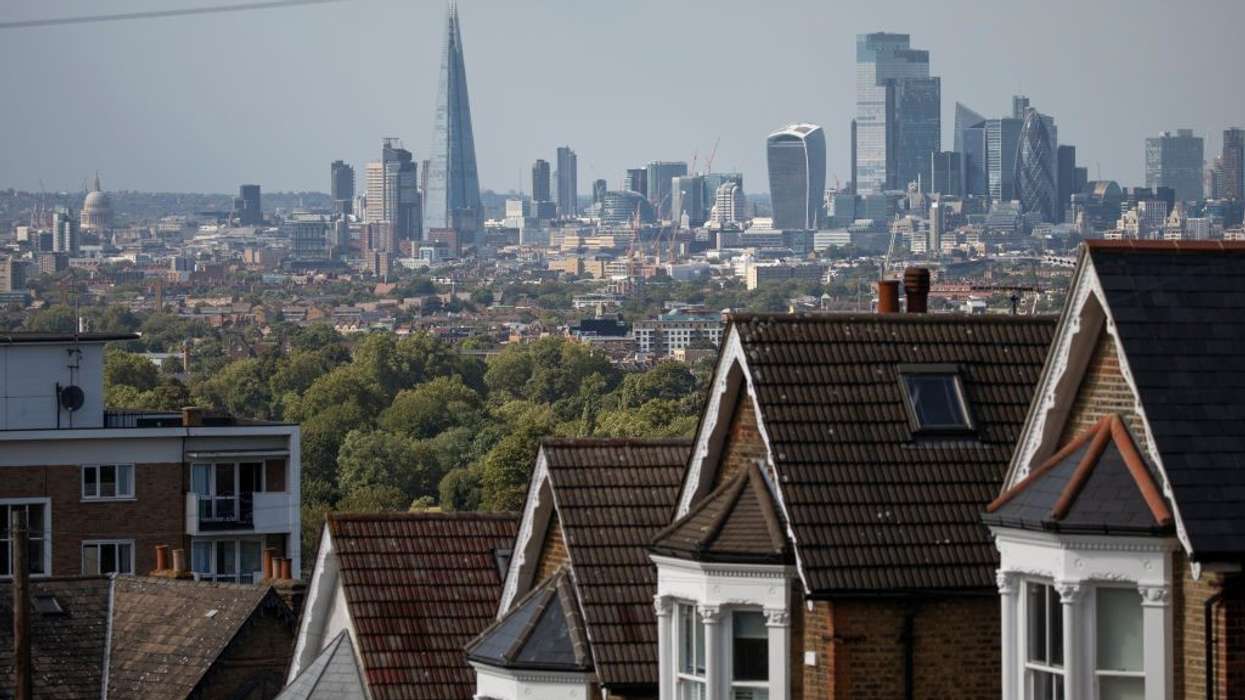

- 96,710 homes were sold across the UK in July
- Transactions were 1 per cent lower than a year earlier and 2 per cent below June
- Property searches rose 7 per cent year-on-year, pointing to stronger buyer interest heading into autumn
The UK housing market had a subdued July, with the number of completed home sales falling as higher mortgage costs and economic uncertainty continued to keep buyers and sellers cautious.
An estimated 96,710 residential properties changed hands across the UK in July, according to HM Revenue and Customs data. That was 1 per cent fewer than in July last year and 2 per cent below June.
The slowdown comes after mortgage rates rose earlier this year as financial markets reacted to the conflict involving Israel, the US and Iran. Rates have eased from their spring highs, but many borrowers are still facing higher costs than they were at the start of the year.
That has left some prospective buyers waiting before committing to a purchase.
Buyers are still looking
The transaction figures may look weak, but there are signs that interest in the housing market could be returning.
Richard Donnell, executive director at Zoopla, said sales had been holding steady during the first half of 2026 but were likely to weaken in the second half because of higher mortgage rates.
However, he pointed to a 7 per cent annual increase in searches for homes, with activity reaching its highest level in a year.
The increase was recorded across every UK region in the four weeks to August 16, suggesting that more potential buyers are returning to the market even if they are not yet completing purchases.
That distinction is important. Searching for a property does not necessarily translate into an offer, mortgage application or completed sale immediately.
But it could indicate that some buyers who delayed their plans earlier in the year are beginning to reassess their options.
Jason Tebb, president of OnTheMarket, said uncertainty surrounding the Middle East conflict and its effect on energy prices and interest rates was still weighing on activity.
At the same time, some lenders have been reducing mortgage pricing in recent weeks, while the Bank of England has held interest rates this year.
That could gradually improve affordability for buyers who have been priced out or forced to delay moving.
The market also remains relatively well supplied, giving buyers more choice and potentially strengthening their negotiating position.
Autumn could bring a test
Historically, the housing market tends to become more active between August and September, meaning the next few months could provide a clearer picture of whether July's weakness was simply a seasonal slowdown or evidence of a more prolonged cooling.
Iain McKenzie, chief executive of The Guild of Property Professionals, said the underlying market appeared more resilient than the July headline suggested.
There is still a baseline level of activity, he said, with properties priced correctly continuing to attract buyers.
The key question now is whether the 7 per cent rise in property searches turns into actual transactions.
If mortgage rates remain stable and economic uncertainty eases, some of that pent-up demand could feed through into completed sales during the autumn. If borrowing costs remain elevated, however, buyers may continue looking without taking the final step.