
THE pressure has been intensifying on Sir Keir Starmer to leave 10, Downing Street, but he should stay put – not least because he was wise enough not to plunge Britain into the Iran war.
Instead, it is Kemi Badenoch, who called for Britain blindly to follow US president Donald Trump, who should step down as Tory leader. The Conservative party performance under her leadership in the local government elections has been disastrous. The Tories lost 563 seats. She has proved a poor replacement for Rishi Sunak.
True, the Tories won Westminster, but they lost control of six councils, including Essex.
In Wales, the Tories lost 22 Senedd seats to finish in fifth place.
Anas Sarwar should also resign as leader of the Scottish Labour party. A bit of a big mouth, he had called for Starmer to step aside.
In Scotland, while the SNP got 58 seats, Sarwar, for all his posturing, saw Labour go down from 17 seats to 4.
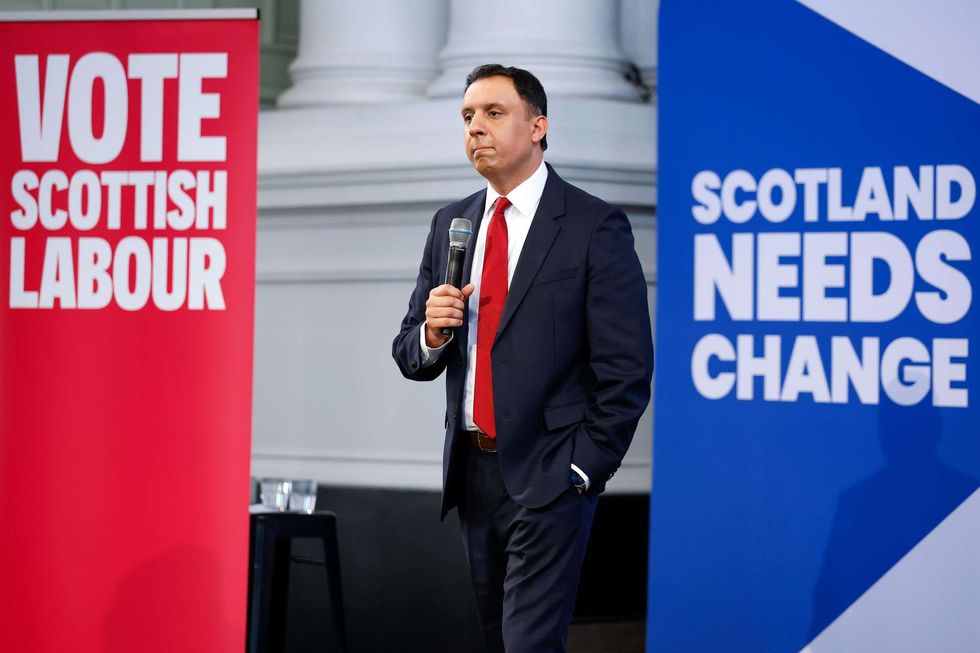 Anas SarwarJeff J Mitchell/Getty Images
Sarwar is so unpopular he was even beaten in Glasgow Cathcart and Pollok, taking 9,107 votes to the SNP’s Zen Ghani’s 14,270. But Sarwar was later returned to Holyrood as a regional list MSP. Nothing could be more humiliating.
Asked if he would quit, Sarwar’s excuse was: “It’s my job to hold us together, and that’s the job I intend to do.”
That is a principle he is not willing to extend to Starmer. One does not want to be unduly harsh, but Sarwar’s rejection by the people of Scotland seems final.
The problem with Badenoch is more serious.
One poll suggested that in a general election, Reform would get 284 seats, short of the 326 needed for an absolute majority. Labour would go down from the 402 it won in 2024 to 110, while the Tories would come down from the 121 under Sunak to 96.
The far right are now pushing for a Reform government, backed by the Tories. Hence, Badenoch is spared the treatment meted out to Starmer.
 Sir Keir Starmerxx
There is something almost East European about the manner in which Reform went up from two council seats to 1,453 last week.
On LBC, Andrew Marr predicted that on the basis of the share of the votes – 27 per cent for Reform – Nigel Farage would be prime minister.
In some ways, Britain is becoming ungovernable. People just turn with vengeance against whichever party is in power. There is probably only one reason why Farage appeals to the electorate. The number of people who have entered the UK in small boats since 2018 is 200,000. Farage’s promise to deport the lot is the main reason why people have turned to him. He doesn’t have to set out how he would revive the economy or discuss foreign policy. He hardly visits his own constituency in Clacton and refuses to discuss his personal financial dealings on which he gets a free ride from right wing newspapers and commentators.
Should he get into Downing Street, he will very quickly discover heading a government is very different from being a rabble rouser.
Starmer’s big mistake was to appoint Rachel Reeves as his chancellor. Putting VAT on school fees was vindictive. She has also driven investors out of the country. Some may return because of the Iran war, but will go back to Dubai and other tax havens once the conflict is over.
Replacing Starmer with someone from the far left – for example, Angela Rayner, who thinks Labour has become the party of the “well off” – will mean another increase in the already unsustainable welfare bill. Those living on benefits are considered natural Labour supporters. For millions, there is no incentive to work when they are better off being unemployed.
Farage has said he is prepared to face down riots, but determined to slash the welfare bill. He hasn’t explained how he will boost production without migration in a country with an ageing population.
The country is in a strangely nihilistic mood. “Britain is broken” is the theme promoted by the right to help Farage get in (like the late Jimmy Savile, he will “fix it”).
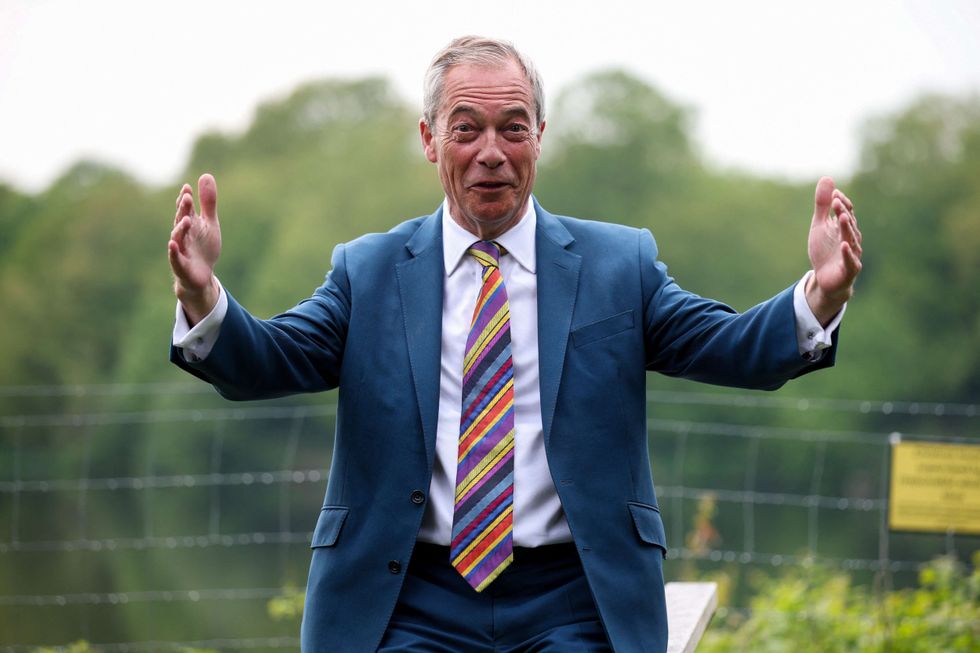 Nigel Farage xx
Voters didn’t want Sunak, they don’t want Badenoch, they don’t want Sarwar, and they don’t want Starmer. If they get Farage, they will also turn against him quicker than voters can say “cryptocurrency”.
Despite pressure from some MPs, Starmer shouldn’t lurch to the left. Having replaced his chancellor, he should occupy the centre ground of British politics, seek a better trading relationship with the EU, and ride piggy back on the India growth story.
In Sunak’s Sunday Times (10) column last week, the former prime minister made sense when he said: “Too many voters feel they are trapped in a perpetual cost of living crisis…ultimately the only way out of this is to have the courage to make the hard choices we need to grow rather than constantly tinkering with symptoms such as rising bills.”
We should move from the myth, “Britain is broken”, to the promise of a much more positive, “Britain is booming”.