
Patients in the UK and European Union are facing shortages of vital medicines such as antibiotics and epilepsy medication, research published Thursday found.
The report by Britain's Nuffield Trust think-tank found the situation had become a "new normal" in the UK and was "also having a serious impact in EU countries".
Mark Dayan, Brexit programme lead at the Nuffield Trust think-tank, said Britain's decision to leave the European Union had not caused UK supply problems but had exacerbated them.
"We know many of the problems are global and relate to fragile chains of imports from Asia, squeezed by Covid-19 shutdowns, inflation, and global instability," he said.
"But exiting the EU has left the UK with several additional problems – products no longer flow as smoothly across the borders with the EU, and in the long term our struggles to approve as many medicines might mean we have fewer alternatives available,” he said.
Researchers also warned that being outside the EU might mean Britain is unable to benefit from EU measures taken to tackle shortages, such as bringing drug manufacturing back to Europe.
It said that this included the EU's Critical Medicines Alliance which it launched in early 2024.
Analysis of freedom of information requests and public data on drug shortages showed the number of notifications from drug companies warning of impending shortages in the UK had more than doubled in three years.
Some 1,634 alerts were issued in 2023, up from 648 in 2020, according to the report, The Future for Health After Brexit.
Paul Rees, chief executive of the National Pharmacy Association (NPA), said medicine shortages had become "commonplace", adding that this was "totally unacceptable in any modern health system.
"Supply shortages are a real and present danger to those patients who rely on life-saving medicines for their wellbeing," he said.
A Department of Health and Social Care spokesperson said the UK was not alone in facing medical supply issues.
It said most cases of shortages had been "swiftly managed with minimal disruption to patients". (AFP)





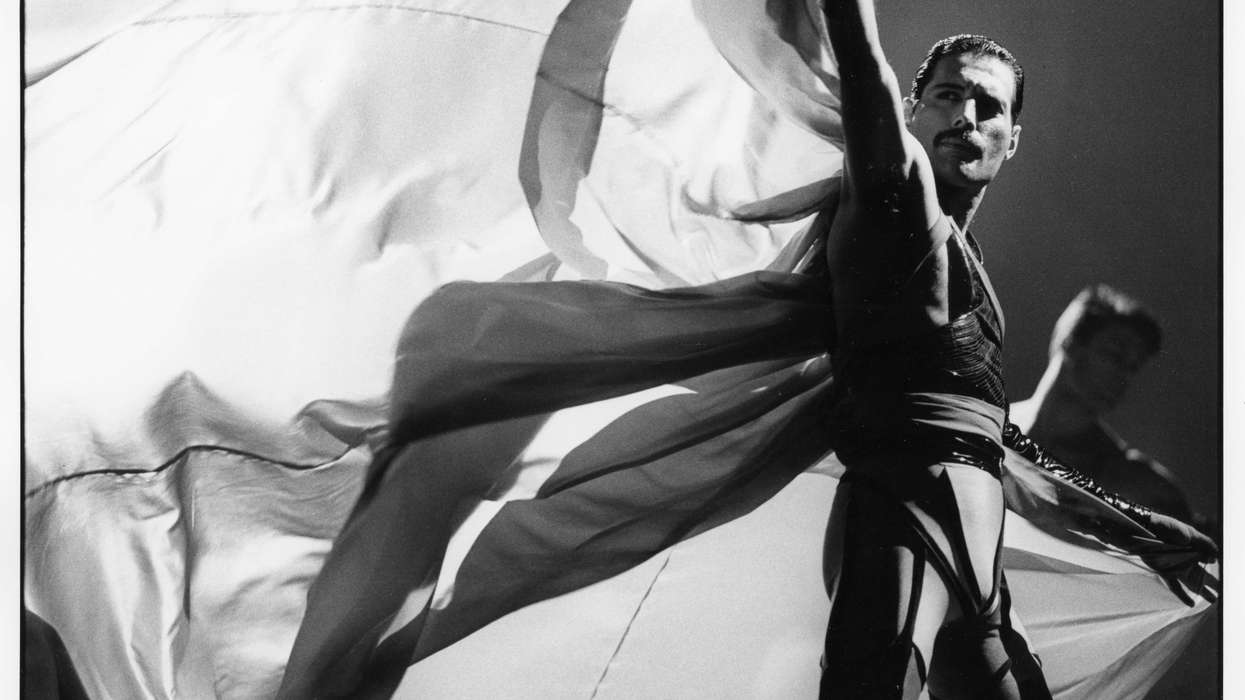
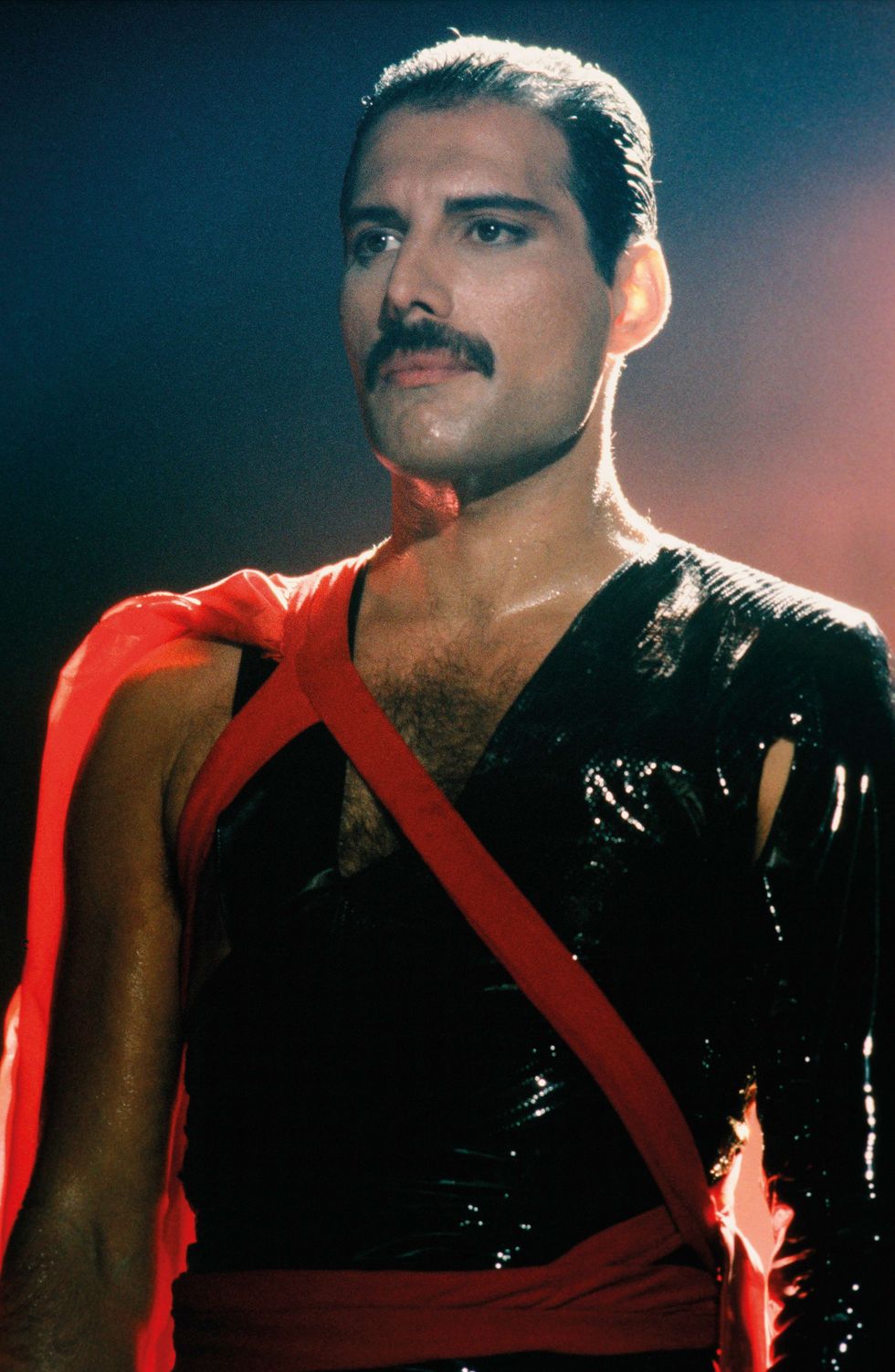 Freddie Mercury in the Made in Heaven music videoSimon Fowler © Mercury Songs Ltd
 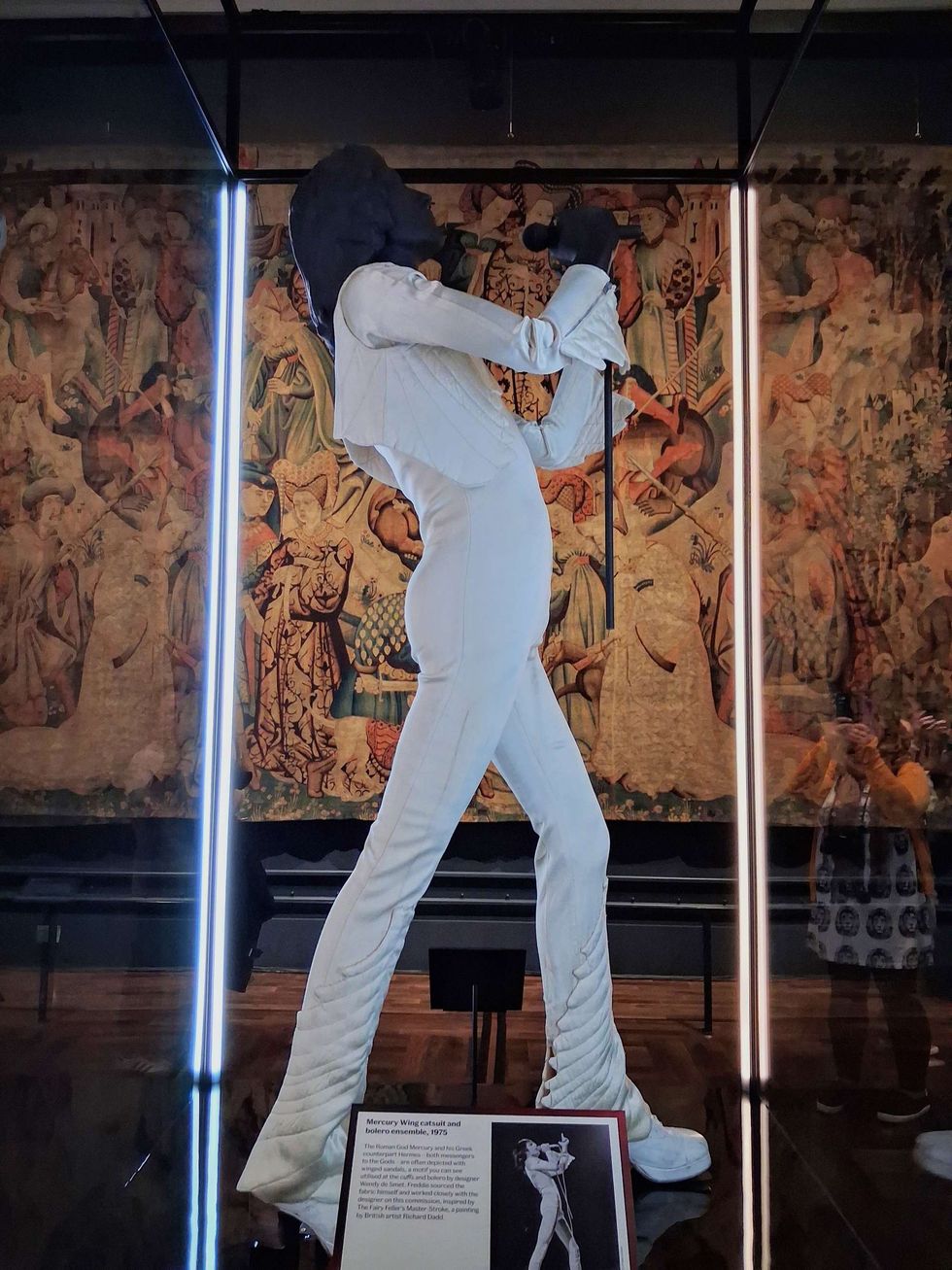 Mercury Wing Catsuit and bolero ensemble (1975)Amit Roy
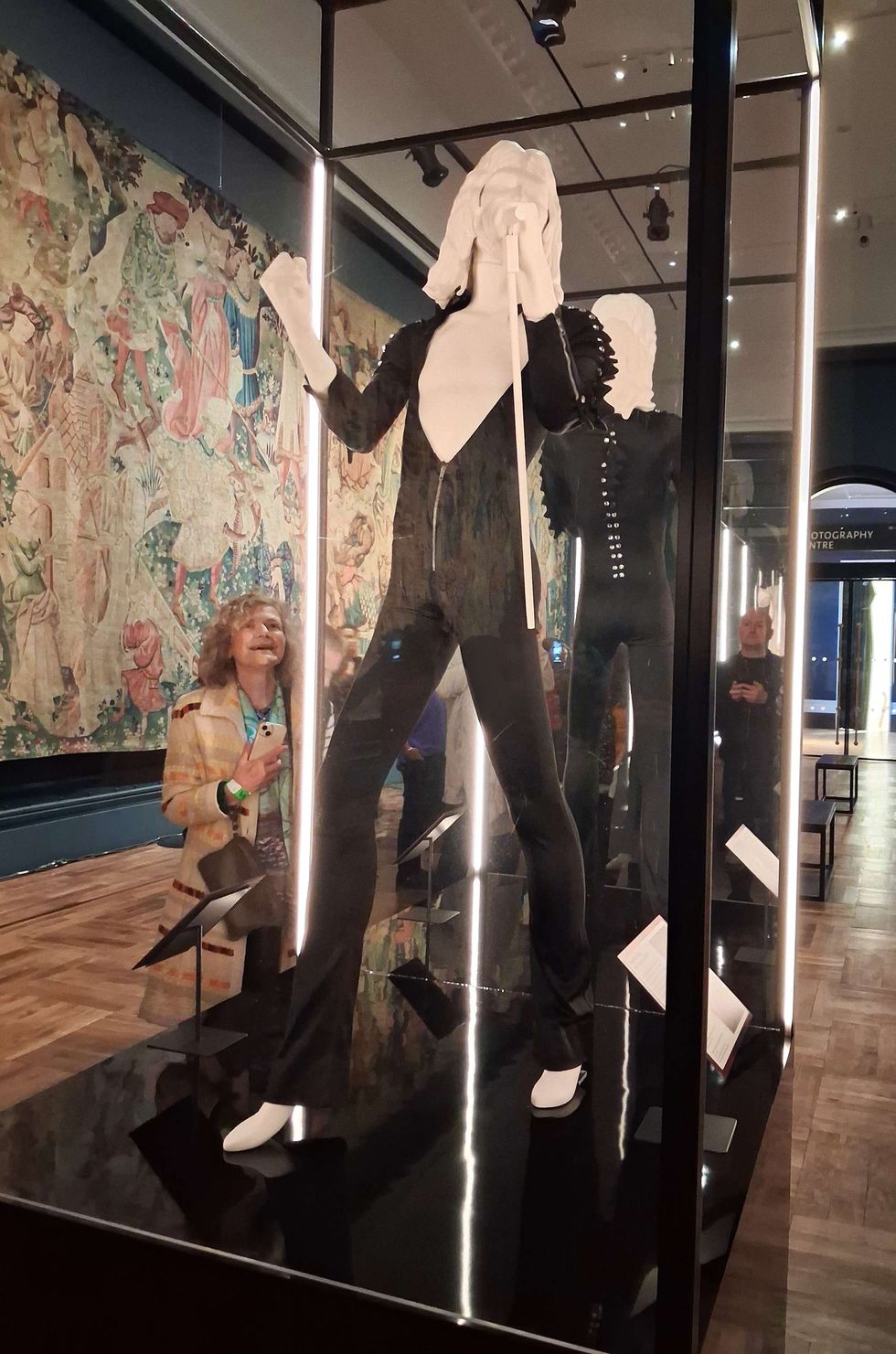 Designer Wendy de Smet with the spine suit or the Black Queen suit from 1975 Amit Roy
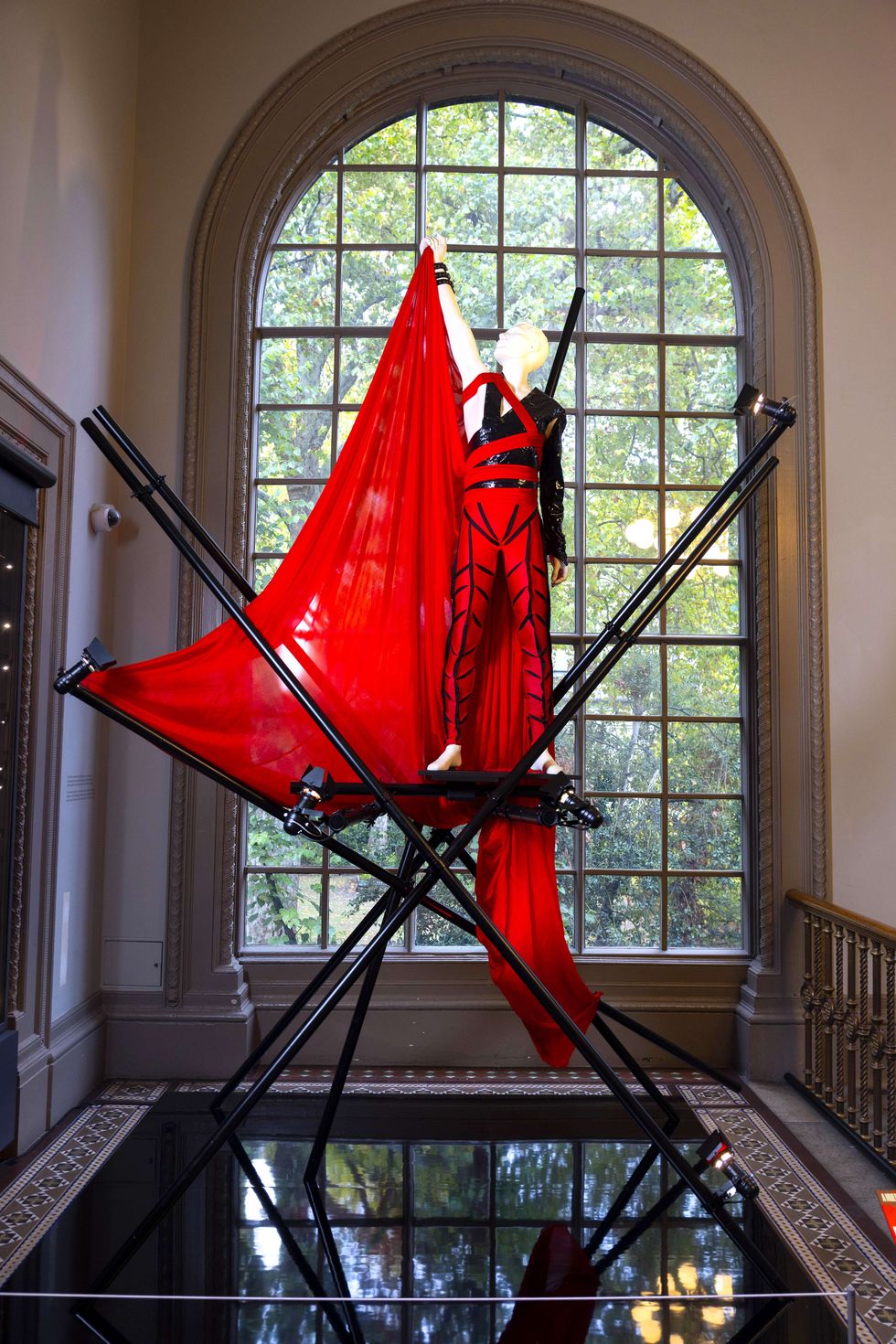 Made in Heaven music video costume (1985) David Parry/V&A
 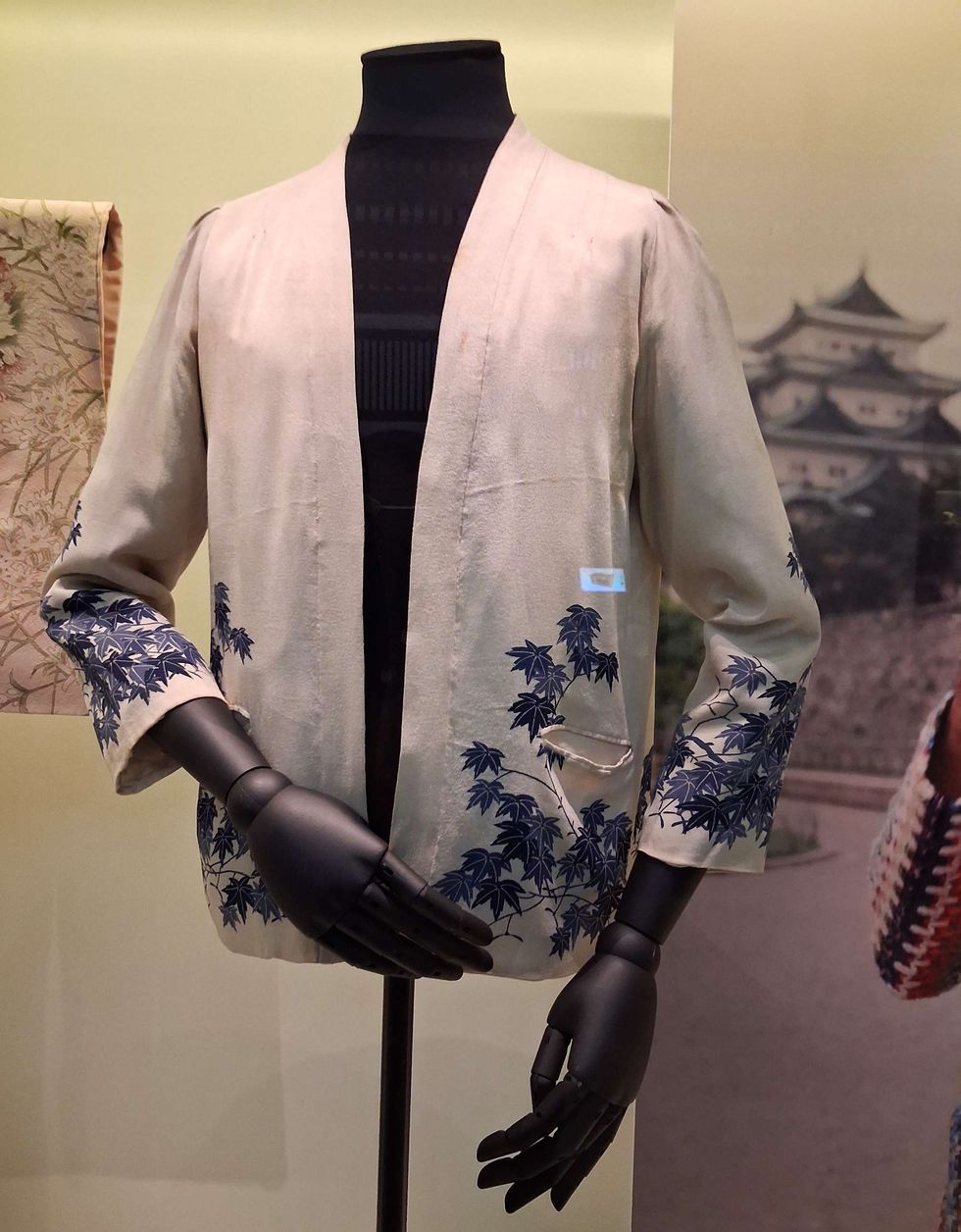 Japanese jacket (early 1970s)Amit Roy
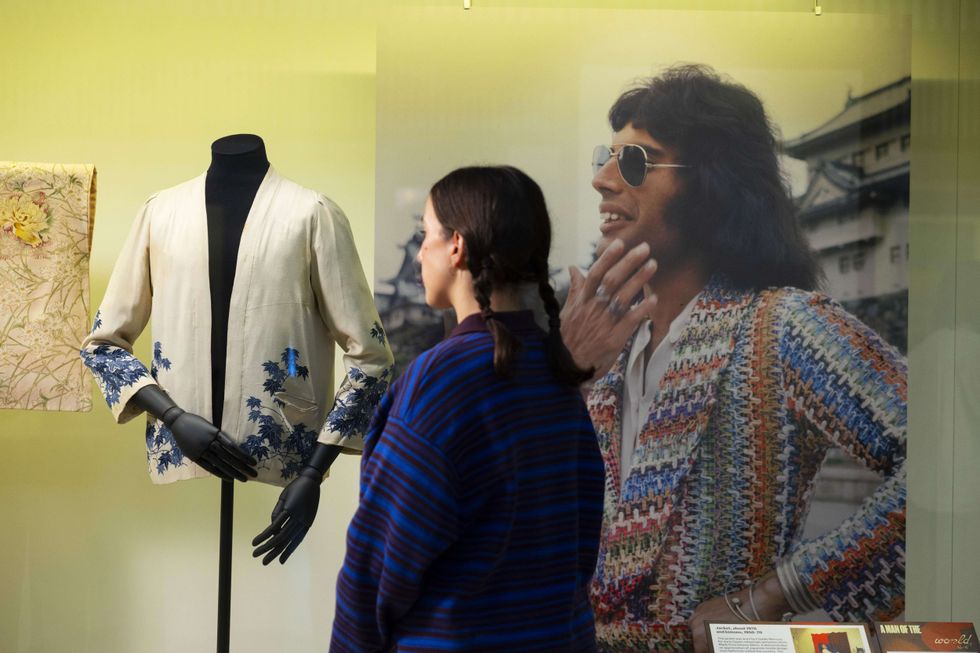 Japanese jacket (early 1970s) and kimono (1950-70) David Parry/ V&A
 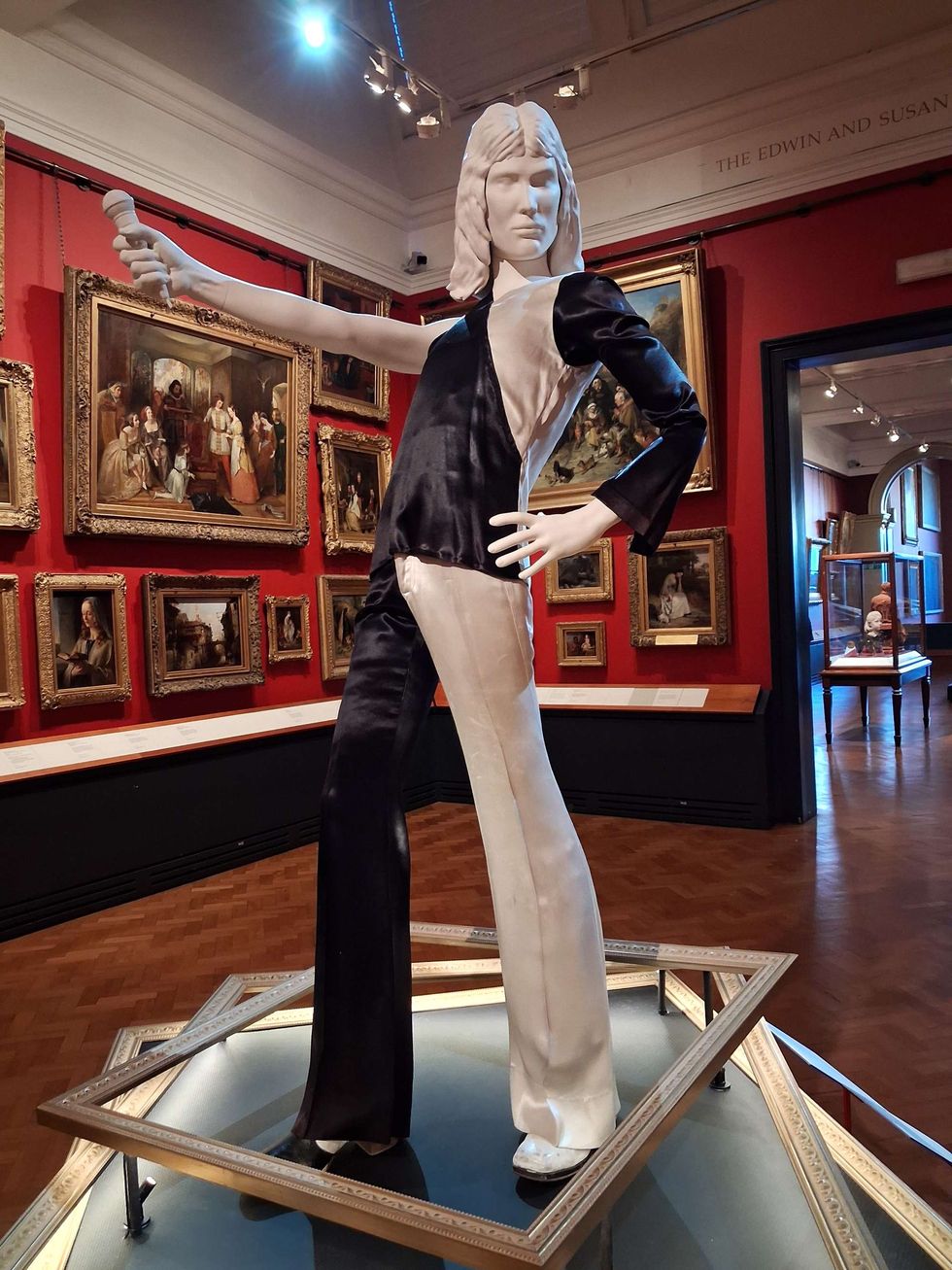 Ensemble worn for Imperial College gig in 1973Amit Roy
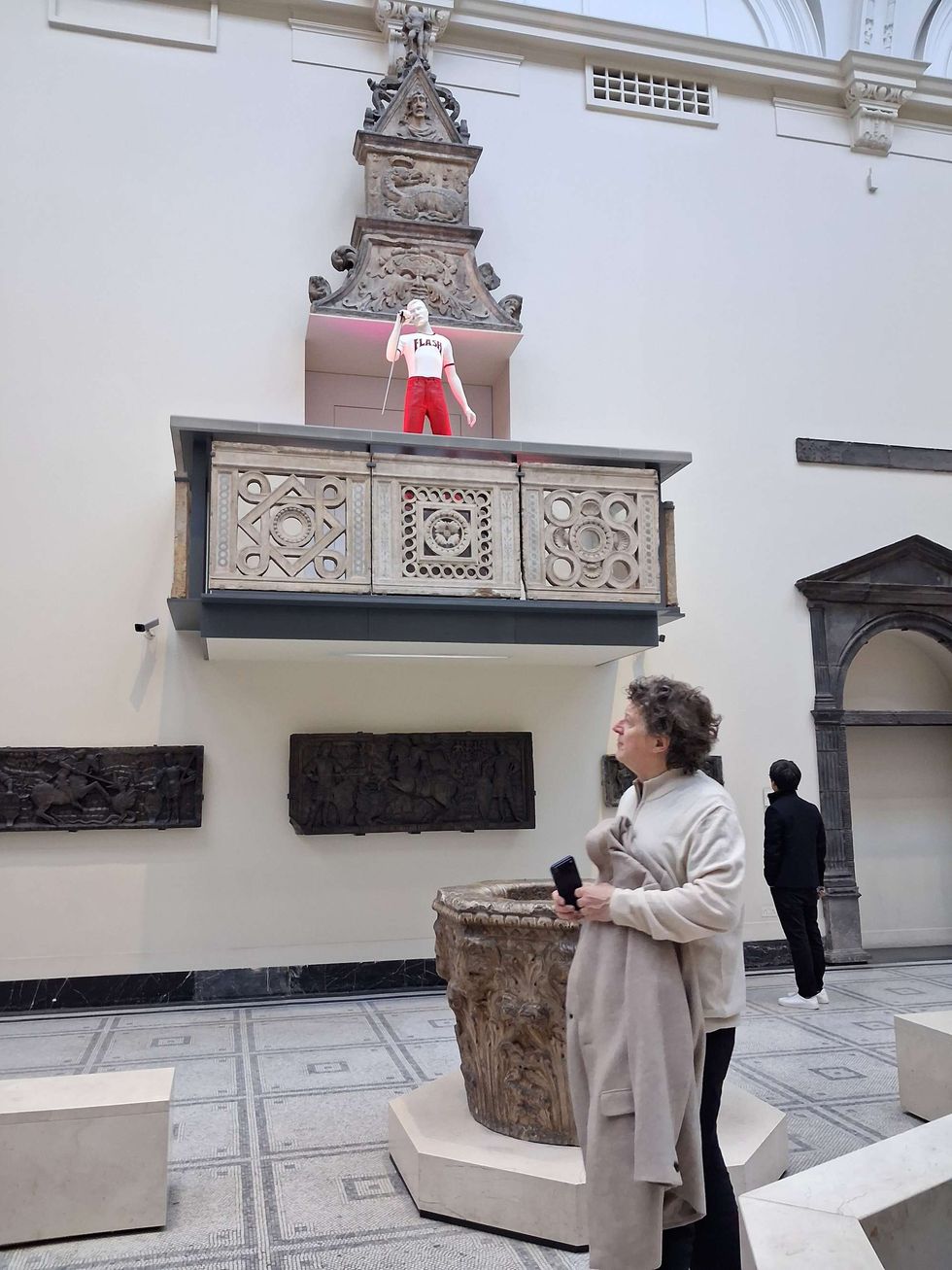 Flash ensemble and half mic (Flash Gordon 1980)Amit Roy
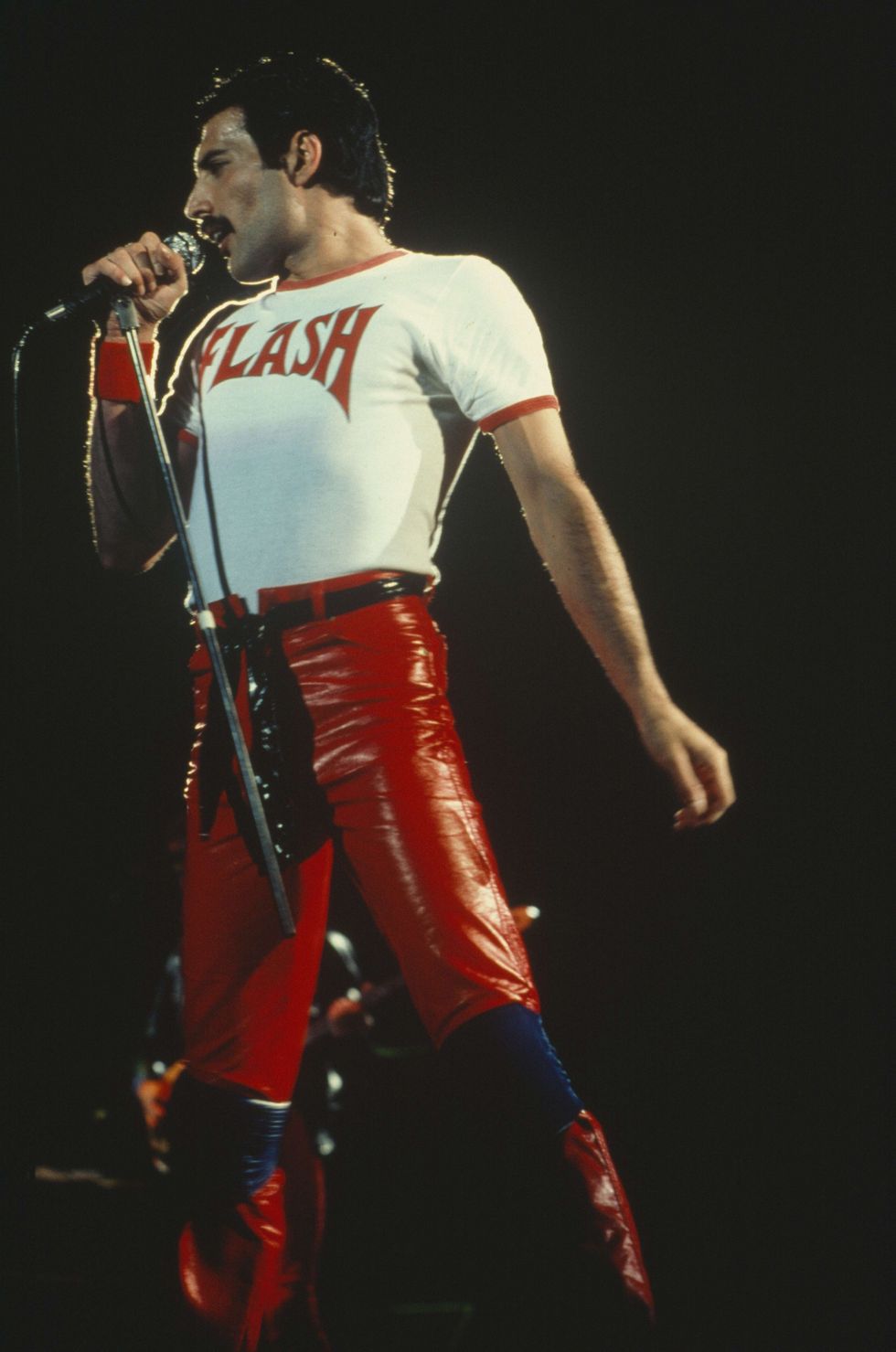 Freddie Mercury performs wearing a 'Flash' t-shirt at Sports Arena in San Diego, California, United States, on 5th July 1980David TanShinko Music/Getty Images
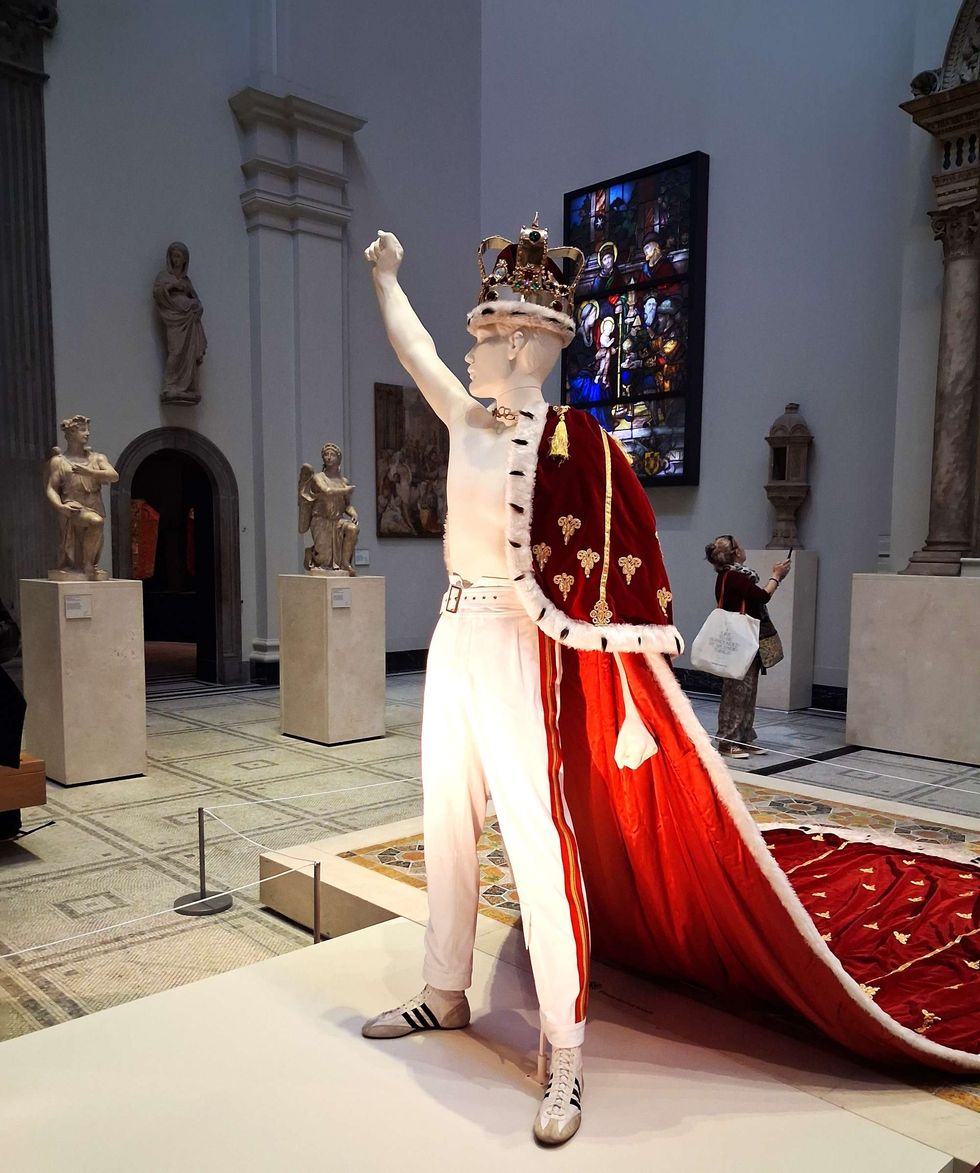 Cloal and crown ensembleAmit Roy
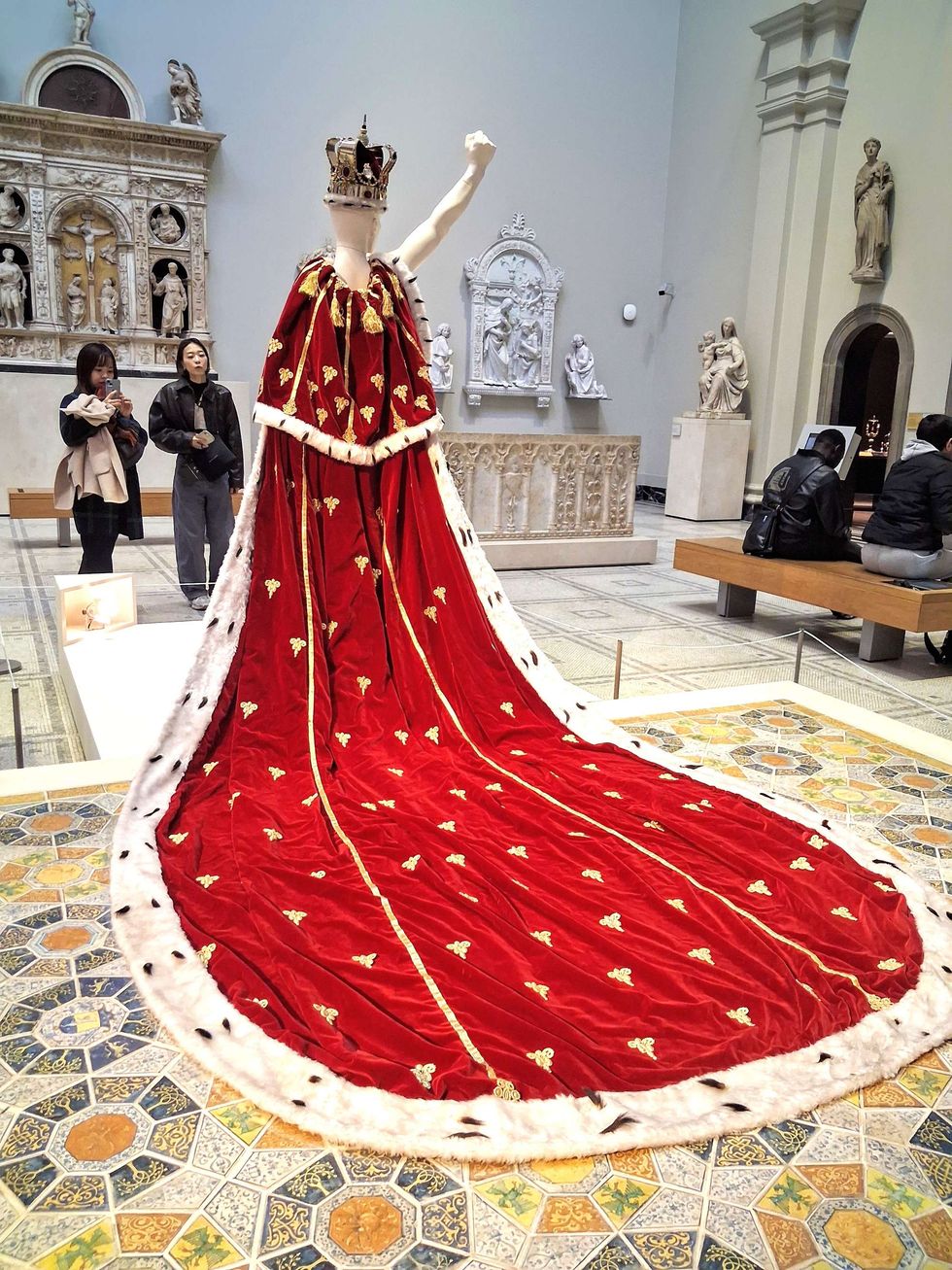 Cloak and crown ensemble (1986)Amit Roy
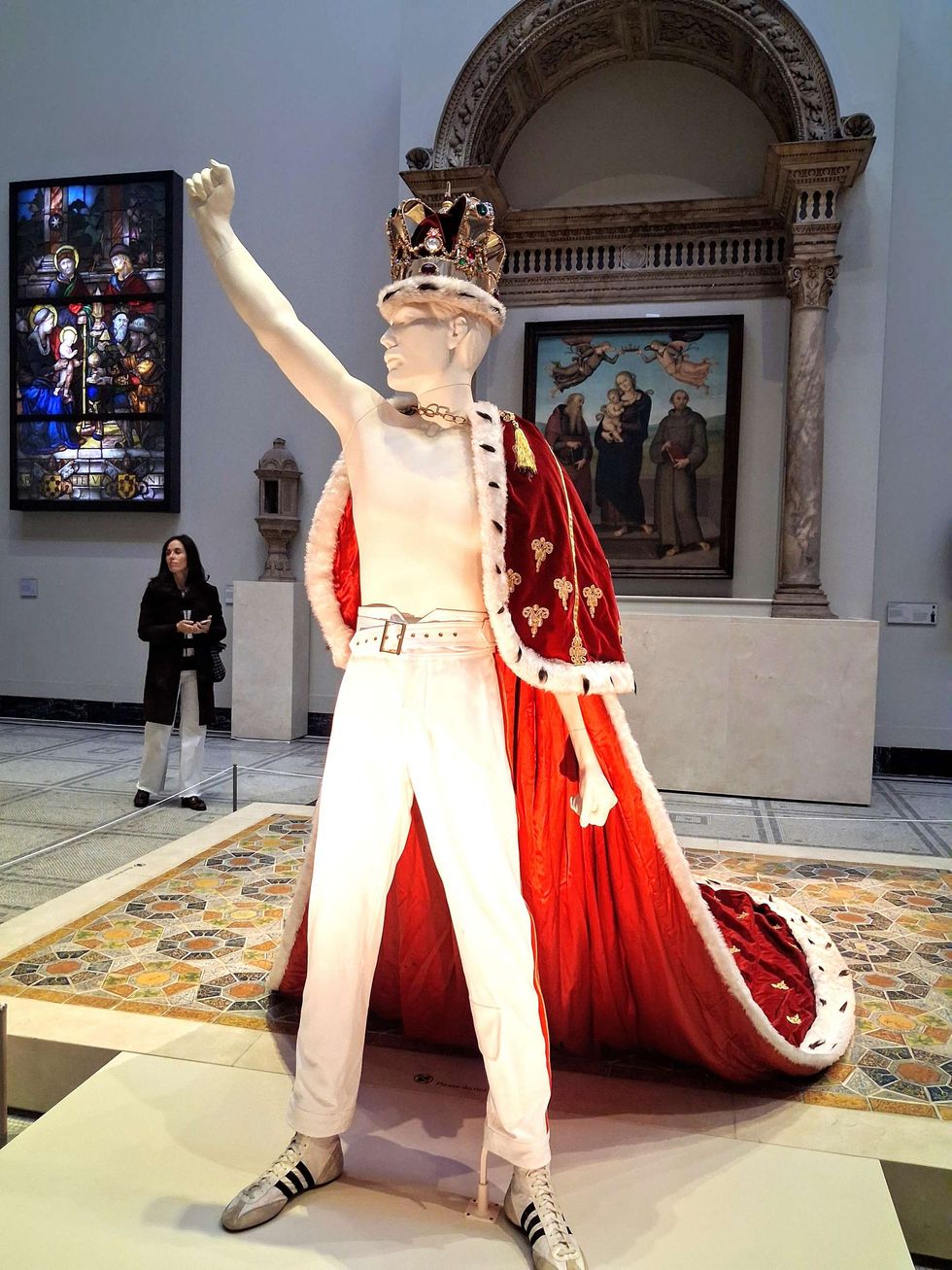 Cloak and crown ensemble (1986)Amit Roy
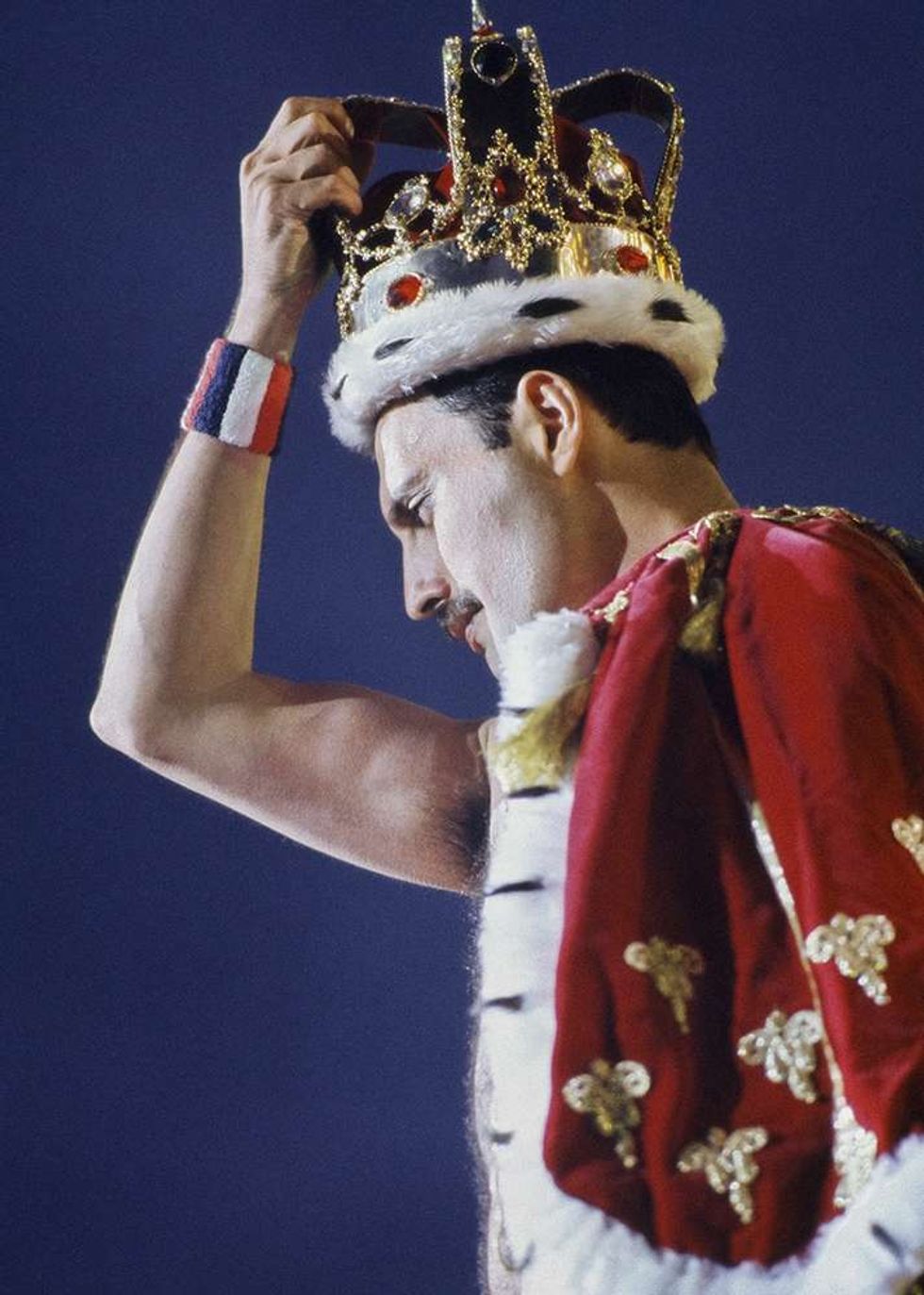 Freddie Mercury, Magic Tour (1986) Denis O’Regan