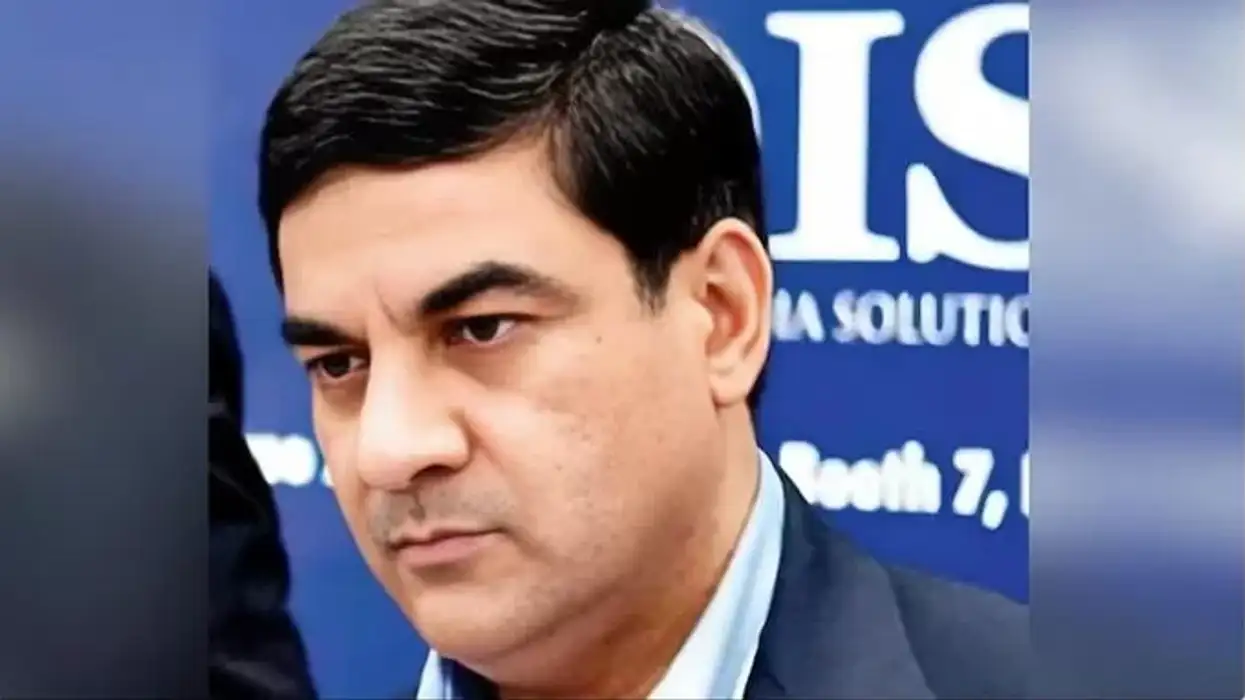
A UK court on Monday (7) ruled Sanjeev Kumar Chawla, an Indian bookie who allegedly involved in match fixing scandal of 2000 involving former South African cricketer Hanse Cronje should be extradited to India.
The Westminster Magistrates' Court here ruled to extradite 50-year-old Chawla. Chawla’s case will be now sent to UK home secretary Sajid Javid for further legal proceedings.
Delhi born businessman, Chawla who is wanted in India for legal proceedings after he accused of working as a link between the South African cricketer and bookies who wanted to fix Cricket matches in early 2000.
The accused had moved to the UK in 1996 and was detained in London in 2016. According to court documents, Chawla had moved to the UK on a business visa, where he has been based while making trips back and forth to India.
Chawla obtained a British passport in 2005 and he is now a UK citizen after his Indian passport revoked in 2000.
In November 2018, the British high court dismissed a lower court’s order against extraditing Chawla to India and asked the district court to restart extradition procedure against him after being convinced by India on the safety and security of the prison conditions in Tihar jail where he is kept, if extradited.
District Judge Crane's ruling on October 16, 2017, had recognised a prima facie case against the businessman over his role in the fixing of "cricket matches played between India and South Africa during the tour of the South African Cricket Team to India under the captainship of Cronje in February-March 2000".