
- More than 1.03 million children are expected to receive DLA by 2027.
- Behavioural disorders are driving the fastest growth in claims.
- Spending is projected to reach £7.7bn with a sharp rise ahead.
The number of children receiving Disability Living Allowance (DLA) in the UK is on track to cross one million, marking a significant shift in the country’s welfare landscape. Fresh projections from the Department for Work and Pensions suggest that by 2027, parents of around 1.03 million children will be claiming disability benefits, up from roughly 900,000 at present.
This sharp rise in UK child disability benefits is being closely linked to a surge in claims tied to behavioural and mental health conditions. Officials had only a few years ago expected the figure to reach this level much later, well into the next decade, pointing to how quickly the trend has accelerated.
At its core, DLA is designed to help families manage the extra costs of caring for children under 16 who need more support than others their age. Payments range from £30.30 to £194.60 a week, depending on the level of care required, which can amount to more than £10,000 a year for some families.
A shift driven by behaviour and mental health
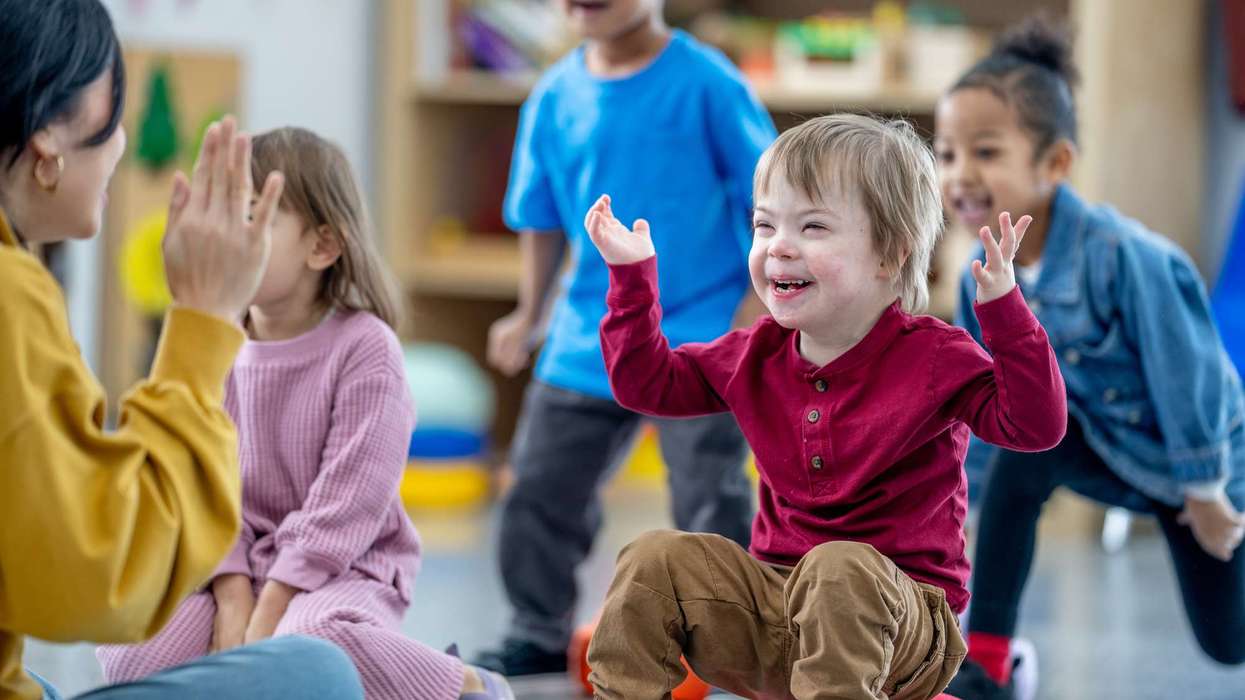
The rise is not evenly spread across all conditions. While learning difficulties still account for over a third of claims, the fastest growth is coming from cases classified under behavioural disorders. These include conditions such as oppositional defiant disorder and conduct disorder, which are often linked to patterns of anger, defiance or more aggressive behaviour.
For younger children, particularly those under five, behavioural issues are now the biggest driver behind new claims. Data also shows a noticeable increase among girls, especially teenagers and children aged four to five, with claims in these groups rising sharply since the pandemic. Overall, the number of children receiving DLA for behavioural reasons has increased fourfold compared with pre-pandemic levels.
There are also signs that the issue is emerging earlier. Parents of nearly 5,000 children aged two and under are now claiming support linked to behavioural conditions, suggesting a shift in how early such challenges are being identified and managed.
Alongside this, a separate government survey found that around one in eight children, roughly 1.7 million, are living with a long-term illness, disability or impairment, adding to the broader picture of rising need.
Warnings over long-term impact and rising costs
The financial impact is growing just as quickly. Spending on child disability benefits is projected to reach £7.7bn by the start of the next decade, marking a 40 per cent increase in real terms compared with the last financial year.
This has triggered concern among policy experts and politicians. Joe Shalam from the Centre for Social Justice said the figures should “ring alarm bells”, warning that more young people may be entering welfare pathways instead of receiving early support through families, schools or communities, as quoted in a news report.
He added that the risk is of children being placed on a path towards long-term dependency, with consequences not just for public finances but for their future prospects.
Helen Whately, the shadow work and pensions secretary, raised similar concerns. She said the line between everyday challenges and mental illness may be becoming blurred for younger generations, reportedly said in a statement. She warned that early reliance on benefits could carry into adulthood, affecting education and employment outcomes.
The government, however, maintains that support must remain in place for those who genuinely need it. A spokesperson for the Department for Work and Pensions said the system is being adjusted to balance fairness to taxpayers while ensuring effective support, reportedly said in a statement. Measures include hiring additional case managers to process claims more efficiently.
The numbers, though, point to a deeper question that is still unfolding. Whether this rise reflects better recognition of children’s needs or a growing dependence on welfare support is likely to remain at the centre of debate in the years ahead.



 Lord Krish RavalAMG
 Gareth Thomas MPAMG
 GarbaAMG