
Highlights
- He warns "you're not going to have a country left" without tougher immigration action
- Burnham weighing two North Sea oil and gas developments amid net zero pledges
- Small boat crossings remain a flashpoint, fuelling support for Farage's Reform party
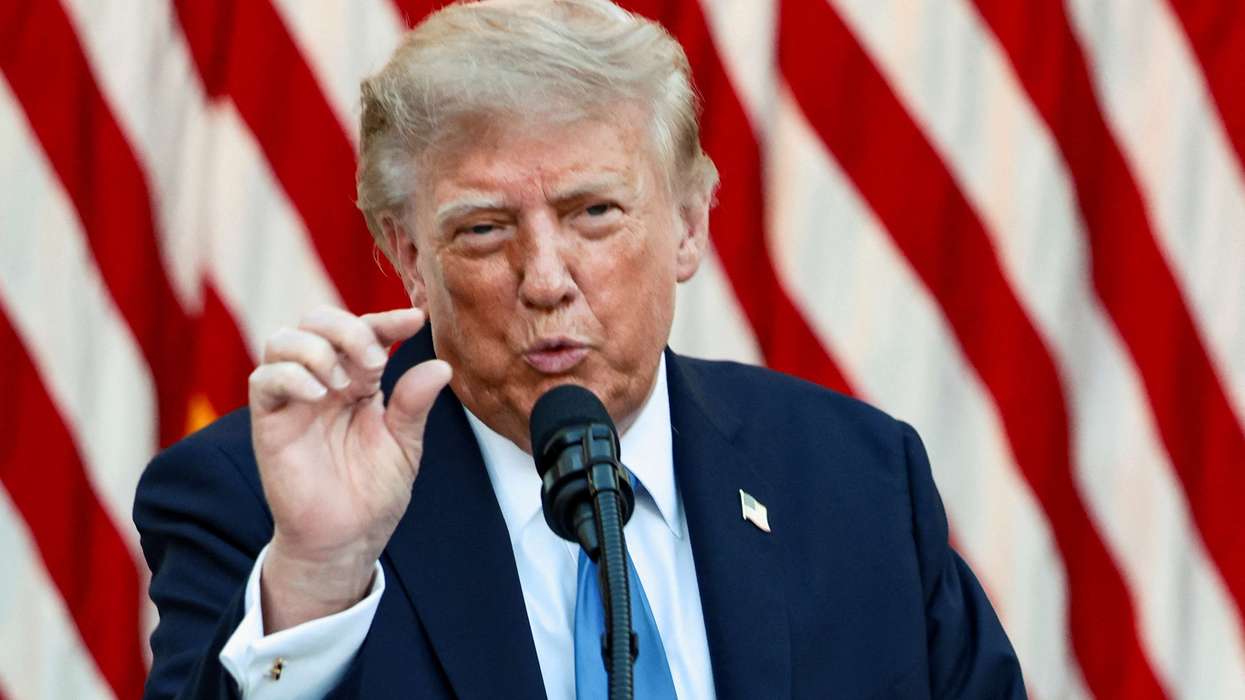
DONALD TRUMP has delivered a blistering assessment of Britain's state of affairs, declaring the country "on the edge of disaster" over what he called out-of-control immigration and crippling energy costs.
Speaking to GB News on Thursday (3), the US president aimed at prime minister Andy Burnham's government, warning that serious problems were being left unresolved.
"Your country's in trouble. You're on the edge of disaster," Trump said. "You have a tremendous immigration problem, and you have a tremendous energy problem. Your energy is three, four times higher than it should be."
Anger over immigration gave his remarks their sharpest edge. "If you don't stop people pouring into your country from all over the world, you're not going to have a country left," he said, framing mass migration as an existential threat to Britain's identity.
Energy policy under fire
Frustration over energy policy was equally pointed. Trump, who calls climate change a hoax, has long attacked Britain's move away from fossil fuels and repeatedly pressed successive leaders to exploit the country's North Sea oil and gas reserves rather than pursue net zero targets.
Burnham is currently weighing whether to permit two large North Sea developments, insisting his government will take a pragmatic approach to the energy transition while maintaining its commitment to clean electricity sources.
Despite the criticism, Trump's comments were not without warmth. He repeated his admiration for King Charles and affection for Britain as a country, even as he condemned its current leadership over policy failures.
Ties remain strained
Relations between Washington and London have grown increasingly strained in recent years, a marked shift from the pomp of Trump's state visit to London in 2025 to sustained criticism across a range of domestic and foreign policy issues.
Illegal Channel crossings by small boats from continental Europe remain a flashpoint for public anger, ranking among the most pressing concerns for British voters and fuelling a surge in support for Nigel Farage's Reform party.
Pressure on Burnham's government to act has been building, with pledges inherited from predecessor Keir Starmer to stop the crossings. Earlier this week, officials said crossing numbers had fallen sharply, insisting that efforts targeting launches and the criminal gangs behind them were bearing fruit.