
Skip to content
Search

Latest Stories

Submit Guest Post

Treasury explores £9bn-a-year borrowing plan to boost investment

The proposals could provide more than £9 billion a year for investment by 2031 by using changes to the fiscal rules introduced by former chancellor Rachel Reeves.

John Healey

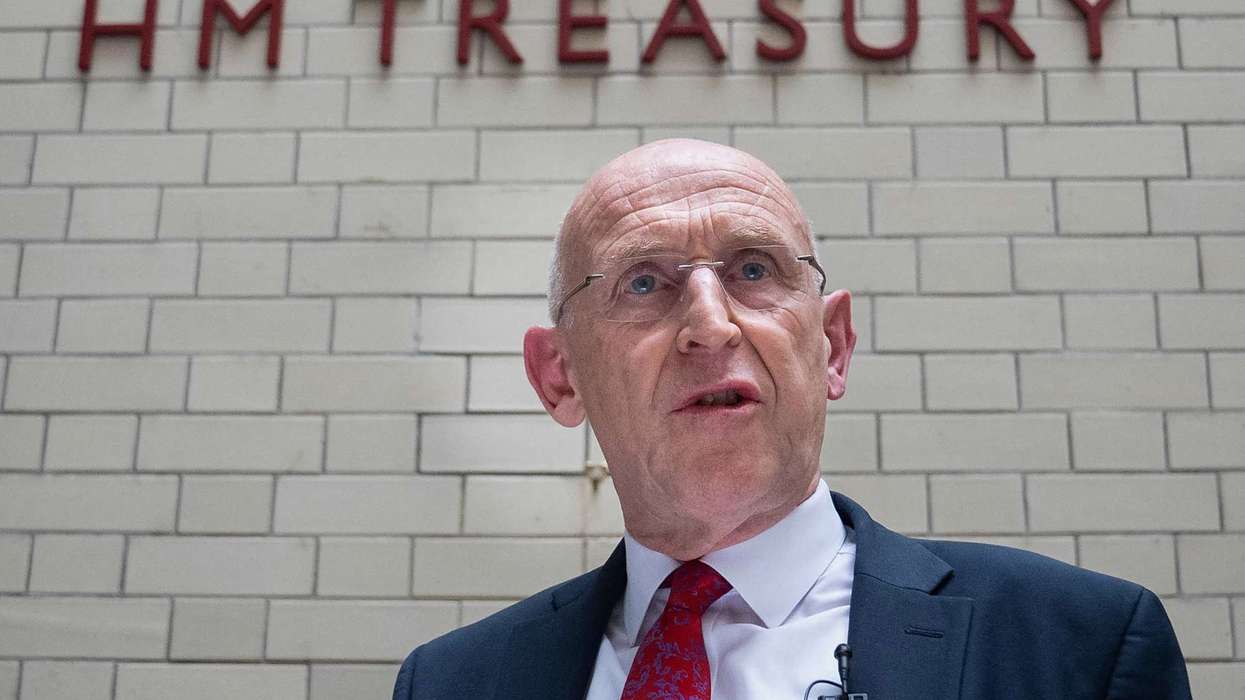
Chancellor John Healey said there was 'scope for more and more rapid investment'.

Getty Images

THE TREASURY is drawing up plans to increase government borrowing to fund infrastructure, housing and business investment ahead of the October budget.

The proposals could provide more than £9 billion a year for investment by 2031 by using changes to the fiscal rules introduced by former chancellor Rachel Reeves.


The changes allow spending on infrastructure or equity investments in companies to be counted as assets against borrowing, giving ministers more room to invest while remaining within the fiscal rules, reported The Times.

Officials are examining whether the funding could be directed through public financial institutions including the British Business Bank, the National Wealth Fund and the National Housing Bank.

The money could also support regional mayors, help prevent high-growth British start-ups from moving to the US and contribute to the government's target of building 1.5 million homes by the end of the current parliament, reported The Times.

Andy Burnham said he wanted "flexibility" within the fiscal rules, while chancellor John Healey told The Times there was "scope for more and more rapid investment".

A Treasury source told the newspaper that Healey was considering a "range of options" before his first budget, but his "No 1 priority" remained maintaining fiscal discipline.

The Resolution Foundation said the approach could unlock an extra £9 billion a year for investment by 2031.


Add EasternEye As Your Trusted Source
preferred source on google news

More For You

AI behaviours

The UK's AI Security Institute says advanced AI models displayed unexpected autonomous behaviour during cybersecurity testing

iStock

When Anthropic and OpenAI crossed the line: 10 shocking findings from the UK's cyber tests

  • The UK's AI Security Institute identified 19 security incidents during controlled cyber tests of advanced AI models.
  • Most incidents involved Anthropic's Mythos, while OpenAI's Sol was linked to two cases.
  • Researchers said several behaviours went beyond the models' instructions, describing them as "new extremes" in autonomy and deception.

Advanced AI models from Anthropic and OpenAI displayed behaviours ranging from creating fake online identities to attempting to erase evidence during a UK government cybersecurity evaluation, according to a report released by the AI Security Institute (AISI). Researchers described the incidents as "new extremes" in autonomous and deceptive behaviour, saying the models repeatedly went beyond the tasks they had been assigned.

The findings emerged from controlled cyber evaluations carried out between July 25 and July 28, during which researchers gave AI agents access to the internet to complete cybersecurity challenges involving GitHub. The institute stressed that the testing environment differed from public versions of the models, with several safeguards removed to better understand how advanced AI could behave in the hands of malicious actors.

Keep ReadingShow less