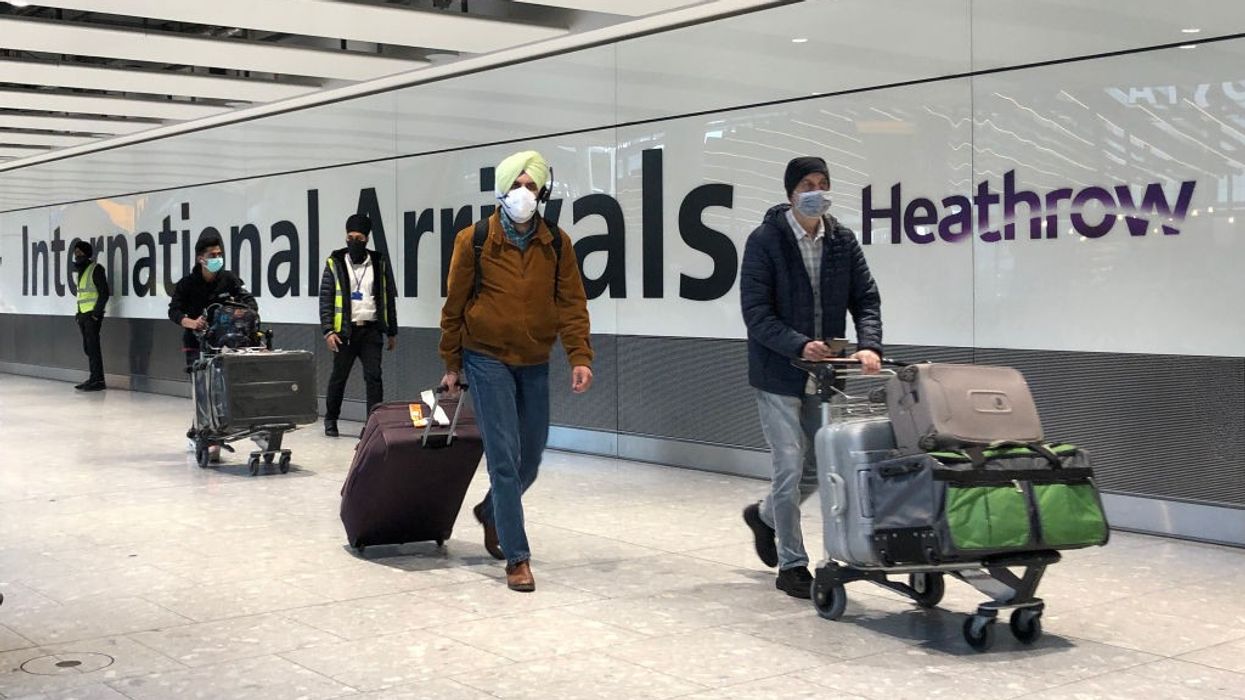

HEATHROW said passenger numbers surged in July as the government eased travel restrictions and a recovery was underway, but warned that overall numbers were still down 80 per cent on pre-pandemic levels as many barriers remain.
More than 1.5 million travellers passed through the west London airport in July, making it the busiest month since March 2020, just before Covid-19 lockdowns began in Europe and travel was essentially stopped.
The airport, the busiest in Britain, and before Covid-19 the busiest in Europe, said the government needed to do more to help travel return to even close to 2019 levels.
Heathrow and airlines such as British Airways have criticised Britain for not easing travel restrictions quickly enough despite its fast vaccine roll-out, and for complicated rules which continue to include expensive coronavirus tests.
They want to see the cost of testing reduced and more countries added to the government's list of low risk countries. Heathrow also called on Britain and the United States to reach an agreement to allow Britons to travel to the US.
Last month, the government allowed fully vaccinated Britons to travel to medium-risk countries without needing to quarantine on return, boosting passenger numbers by 74 per cent compared to July last year.
Britain has since early August opened its borders to fully-vaccinated people from the US and European Union.
Heathrow added that US carrier JetBlue was due to start flying between London and New York later this week, in a sign of growing confidence in travel.
(Reuters)