Skip to content
Search

Latest Stories

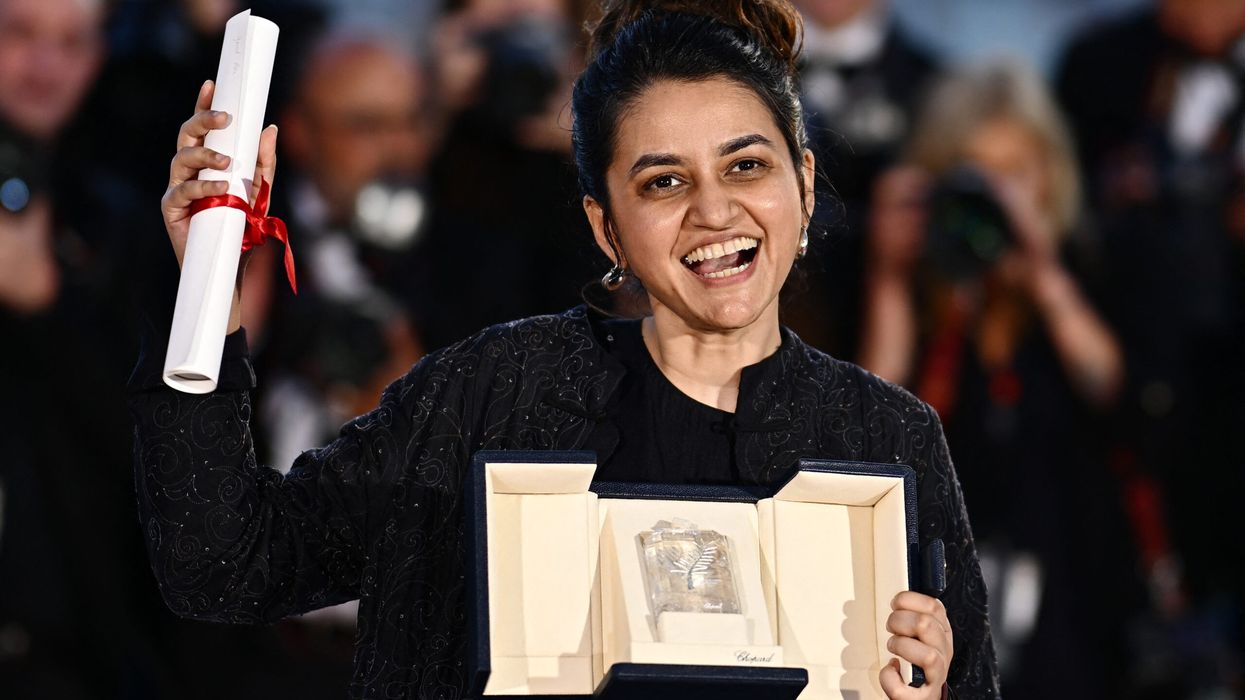
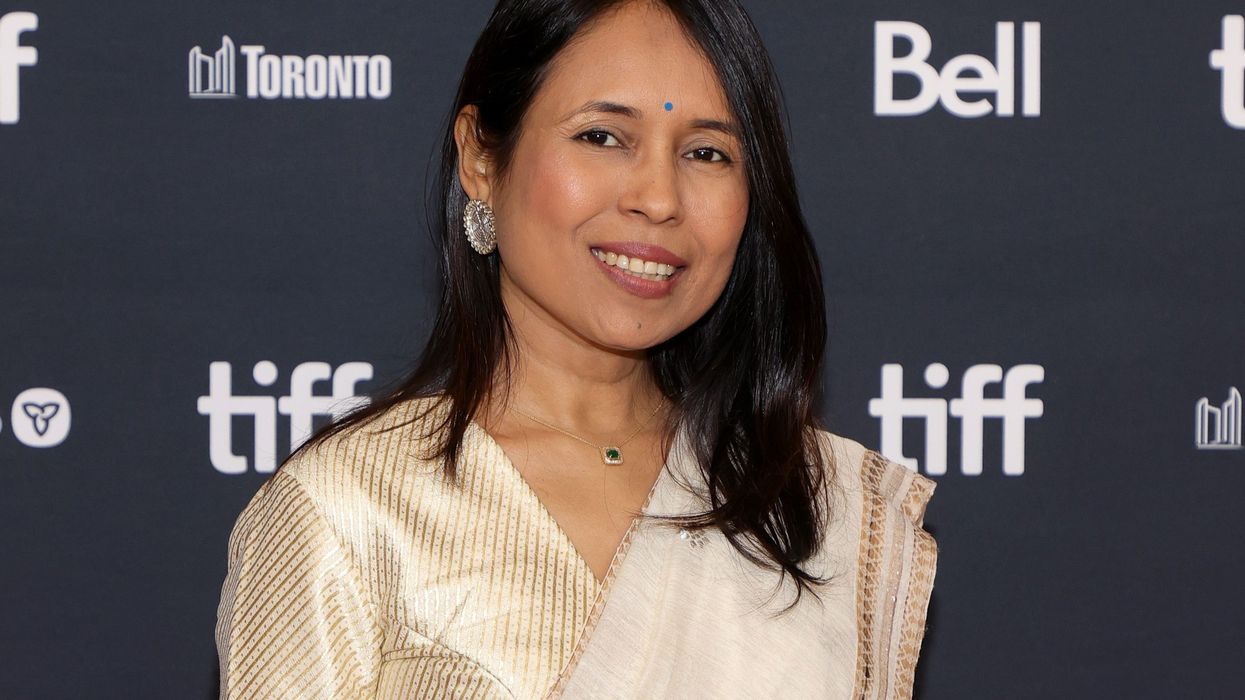
'Tora's Husband': Rima Das nominated as best director at Asia Pacific Screen Awards

Tora’s Husband is currently playing in theatres in Assam as well as prominent metro cities such as Delhi, Mumbai, Hyderabad, and Bengaluru.
'Tora's Husband': Rima Das nominated as best director at Asia Pacific Screen Awards

National Award-winning filmmaker Rima Das has been nominated in the best director category for her film Tora's Husband at the Asia Pacific Screen Awards (APSA) 2023 alongside Past Lives filmmaker Celine Song.

Filmmakers Darkhan Tulegenov (Brothers) and Liang Ming (Carefree Days) are also nominated in the segment.


Das, known for Assamese films such as Bulbul Can Sing and Village Rockstars, is also part of the 2023 APSA Youth, Animation, Documentary International jury along with Hikaru Toda (Japan), chaired by Midi Z (Taiwan).

"I am honoured to be part of the esteemed APSA Youth, Animation, Documentary International jury and look forward to watching the best of Asian films. My earlier film Village Rockstars was nominated for Best Youth Film. I am very glad to be nominated yet again, this time as a best director for Tora's Husband," Das said in a statement.

The film, starring her real-life brother and sister-in-law, revolves around a couple during the pandemic and through their daily life, reflects on relationships, humanity, and love. It had its world premiere at the 2022 Toronto International Film Festival.

Tora's Husband is currently playing in theatres in Assam as well as prominent metro cities such as Delhi, Mumbai, Hyderabad, and Bengaluru.

More For You

Samir Zaidi

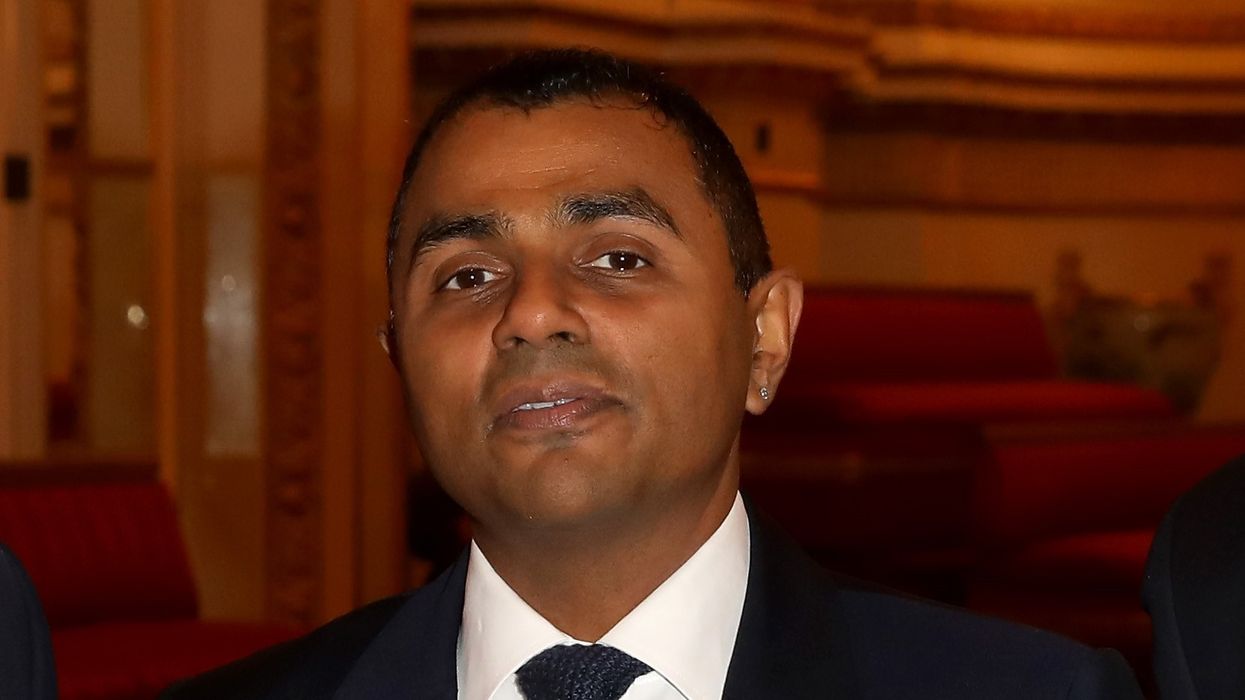
Two Sinners marks Samir Zaidi’s striking directorial debut

Samir Zaidi, director of 'Two Sinners', emerges as a powerful new voice in Indian film

Indian cinema has a long tradition of discovering new storytellers in unexpected places, and one recent voice that has attracted quiet, steady attention is Samir Zaidi. His debut short film Two Sinners has been travelling across international festivals, earning strong praise for its emotional depth and moral complexity. But what makes Zaidi’s trajectory especially compelling is how organically it has unfolded — grounded not in film school training, but in lived observation, patient apprenticeships and a deep belief in the poetry of everyday life.

Zaidi’s relationship with creativity began well before he ever stepped onto a set. “As a child, I was fascinated by small, fleeting things — the way people spoke, the silences between arguments, the patterns of light on the walls,” he reflects. He didn’t yet have the vocabulary for what he was absorbing, but the instinct was already in place. At 13, he turned to poetry, sensing that the act of shaping emotions into words offered a kind of clarity he couldn’t find elsewhere. “I realised creativity wasn’t something external I had to chase; it was a way of processing the world,” he says. “Whether it was writing or filmmaking, it came from the same impulse: to make sense of what I didn’t fully understand.”

Keep ReadingShow less