
- TikTok and ByteDance will pay $400 million to settle the US case.
- The lawsuit alleged that data from millions of children under 13 was collected without parental consent.
- The settlement is one of the largest ever reached under the US children’s privacy law.
TikTok has agreed to pay $400 million (£293 million) to the US government to settle a case over how it handled the personal data of children.
The lawsuit, brought by the US Department of Justice in 2024, alleged that TikTok and its parent company ByteDance collected “vast amounts of data” from millions of users under the age of 13 without obtaining the parental consent required by federal law.
Under the settlement, TikTok and ByteDance will pay $300 million immediately, with another $100 million due once a previous consent order involving TikTok's predecessor Musical.ly is formally lifted. The Justice Department described it as one of the largest recoveries in a case involving the Children's Online Privacy Protection Act, known as COPPA.
So what was the problem?
The law was meant to keep children's data off limits
COPPA, introduced in 2000, requires online services covered by the law to obtain verifiable parental consent before collecting personal information from children under 13.
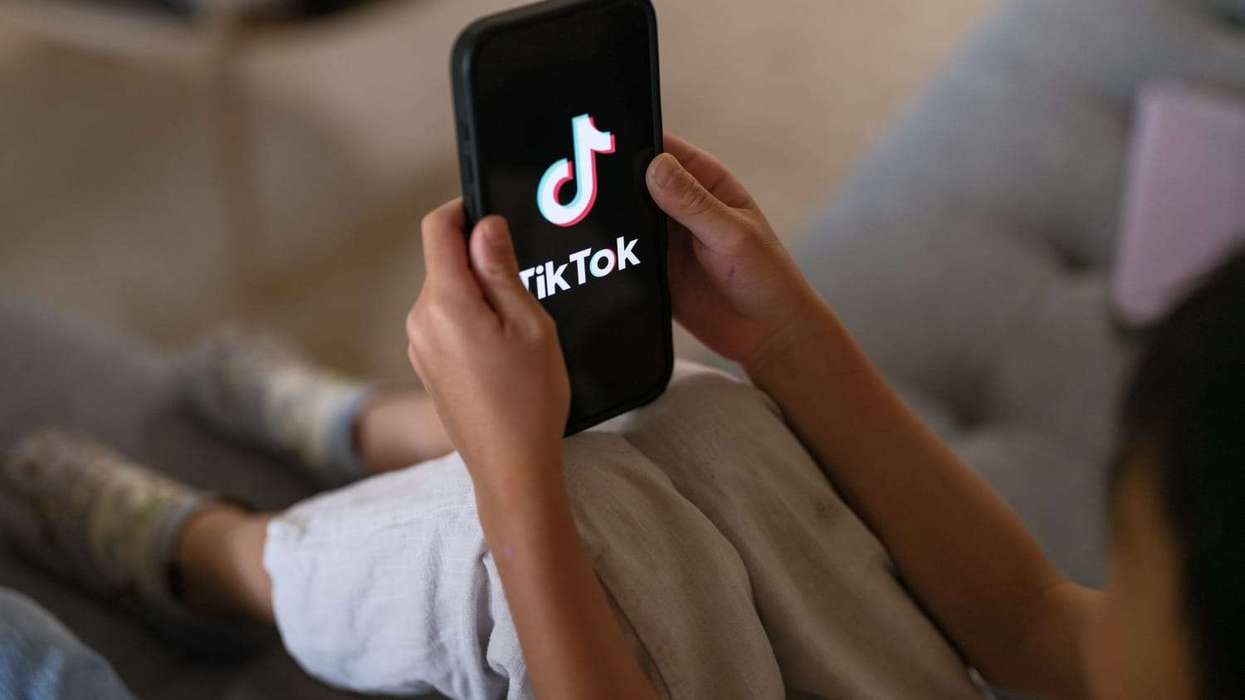
The US government alleged that TikTok failed to properly prevent under-13s from using the platform and continued collecting their personal information without the required consent.
The case also followed an earlier regulatory action against Musical.ly, the short-video app that ByteDance acquired and later merged into TikTok. In 2019, Musical.ly agreed to pay $5.7 million over allegations that it had collected information from children without parental permission.
The latest settlement therefore goes beyond a single incident. It follows years of scrutiny over whether TikTok was doing enough to identify younger users and protect their information.
Since the 2024 lawsuit was filed, TikTok has made changes to its ownership structure, privacy practices and controls for younger users. The Justice Department said those changes were among the developments since the case began.
TikTok is not the only platform facing scrutiny
The size of the settlement puts TikTok among a growing list of major technology companies that have faced financial penalties over children's online privacy.
Google's YouTube agreed to pay $170 million in 2019 over alleged COPPA violations, while Epic Games agreed to a $275 million penalty in 2022.
Meta is facing a much larger legal battle in a separate case brought by 29 US states, where attorneys general allege that Facebook and Instagram were designed in ways that harmed young users and that the company violated children's privacy rules.
That trial is currently under way, putting the treatment of children by major social media platforms under renewed scrutiny.
For TikTok, the $400 million settlement ends this particular federal case without requiring a prolonged trial. But the wider issue remains: as social media platforms become increasingly embedded in children's lives, regulators are putting more pressure on companies to prove that collecting young users' data does not come at the expense of their privacy.