
Highlights
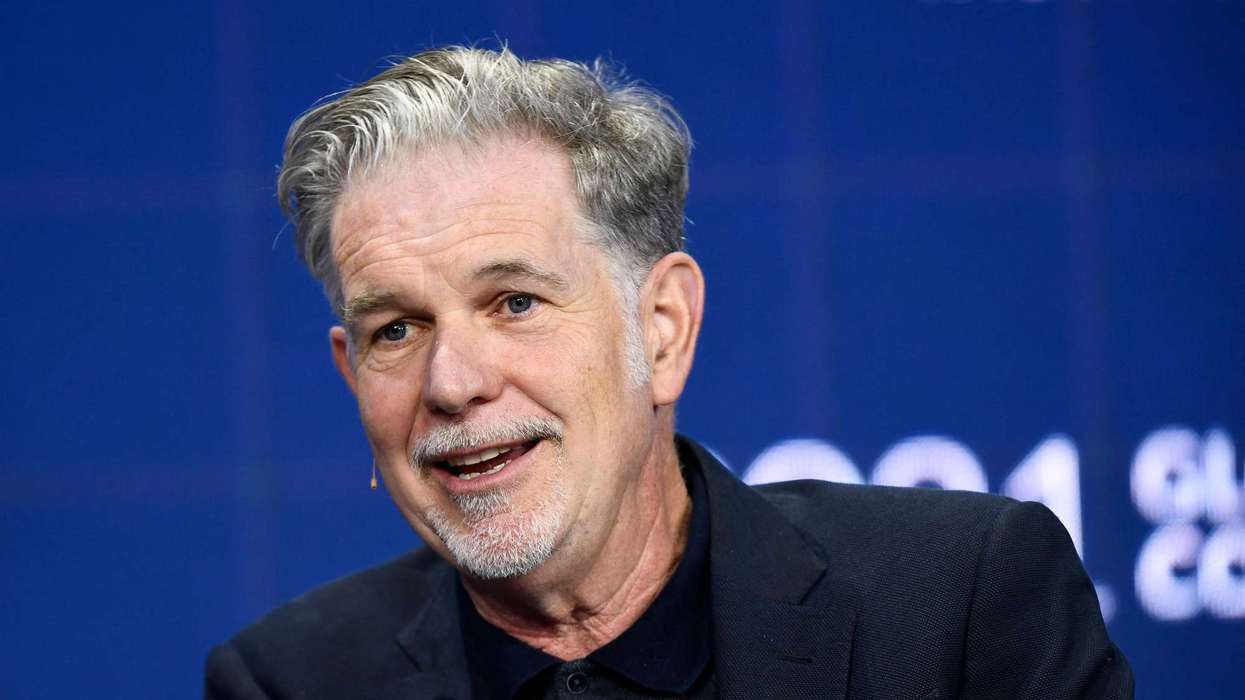
- Hastings will not seek re-election as chairman at Netflix's June annual meeting.
- Netflix stock dropped around 9 per cent following the news.
- Revenue grew 16 per cent to $12.25bn but quarterly growth was the slowest in a year.
Founder steps back
Hastings, 65, will not seek re-election as chairman at the company's annual general meeting in June, choosing instead to focus on philanthropy.
The announcement marks the end of a 29-year chapter at a company he helped grow from a DVD-by-mail service into a global streaming powerhouse that changed how the world watches film and television.
Co-CEO Ted Sarandos paid tribute, saying Hastings built "a company of risk-takers" where "character matters, and nobody rests in the pursuit of excellence."
Sarandos added: "I have loved working with and for Reed through amazing twists and turns in our business, and he has modelled what it is to be a leader and a friend."
But the departure has rattled markets. Netflix shares fell roughly 9 per cent after the announcement. Analyst Richard Greenfield of LightShed Partners said the exit had "spooked investors," a sentiment reflected in the company's latest financial results.
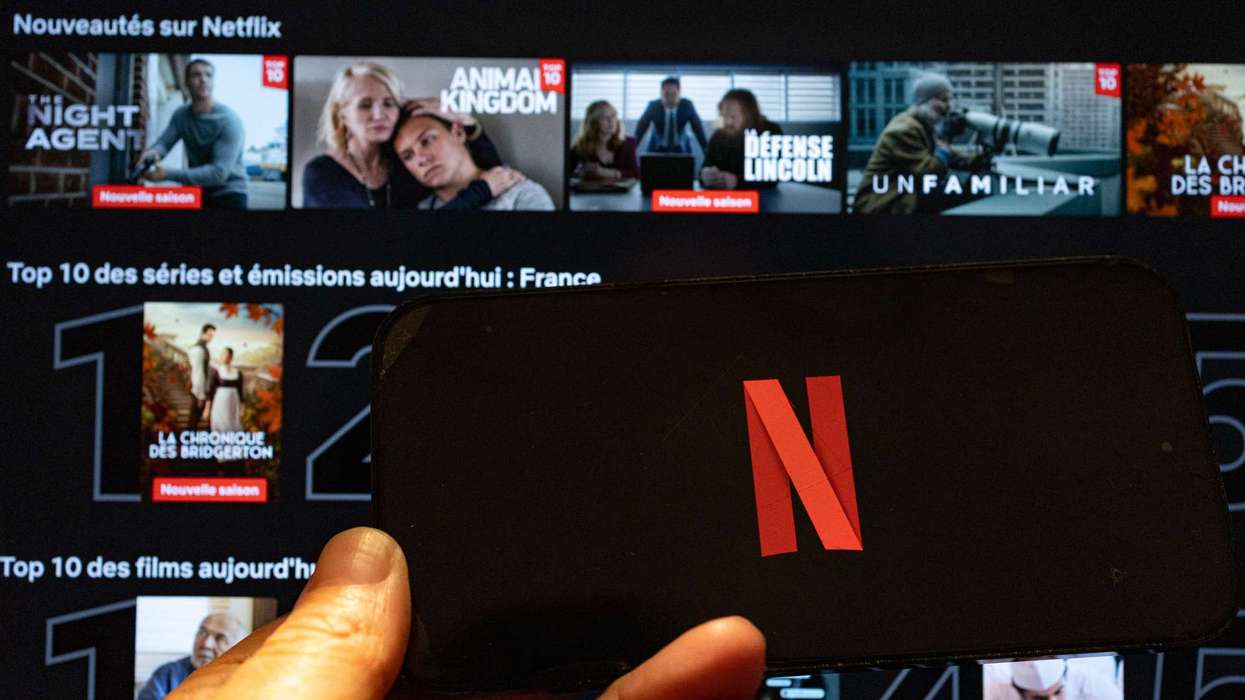 The announcement ends his 29-year run at a company he grew from DVD-by-mail into a global streaming platformGetty Images
Netflix forecast earnings per share for the current quarter below analyst expectations and recorded its slowest quarterly revenue growth in a year, according to LSEG data.
First-quarter revenue came in at $12.25 bn, up 16 per cent year on year, modestly ahead of analyst forecasts of $12.18 bn.
Earnings per share rose to $1.23 in the first quarter, up from 66 cents in the same period last year.
The results also follow the collapse of a proposed merger with Warner Bros Discovery in February, a deal Netflix had previously described as "nice to have, not need to have."
The company has not disclosed how it plans to use the termination fee received from the failed deal, though it contributed to the rise in earnings per share.
Co-CEO Greg Peters struck a confident note, stating that Netflix ended last year with over 325 million paid members and entertains an audience nearing one billion people.
"But even given that number, we still have plenty of room to grow into our addressable market," he said. The company maintained its full-year outlook in a 14-page shareholder letter released on Thursday.
Looking ahead, Netflix outlined growth plans spanning video podcasts, live entertainment including the World Baseball Classic in Japan, and a push into advertising.