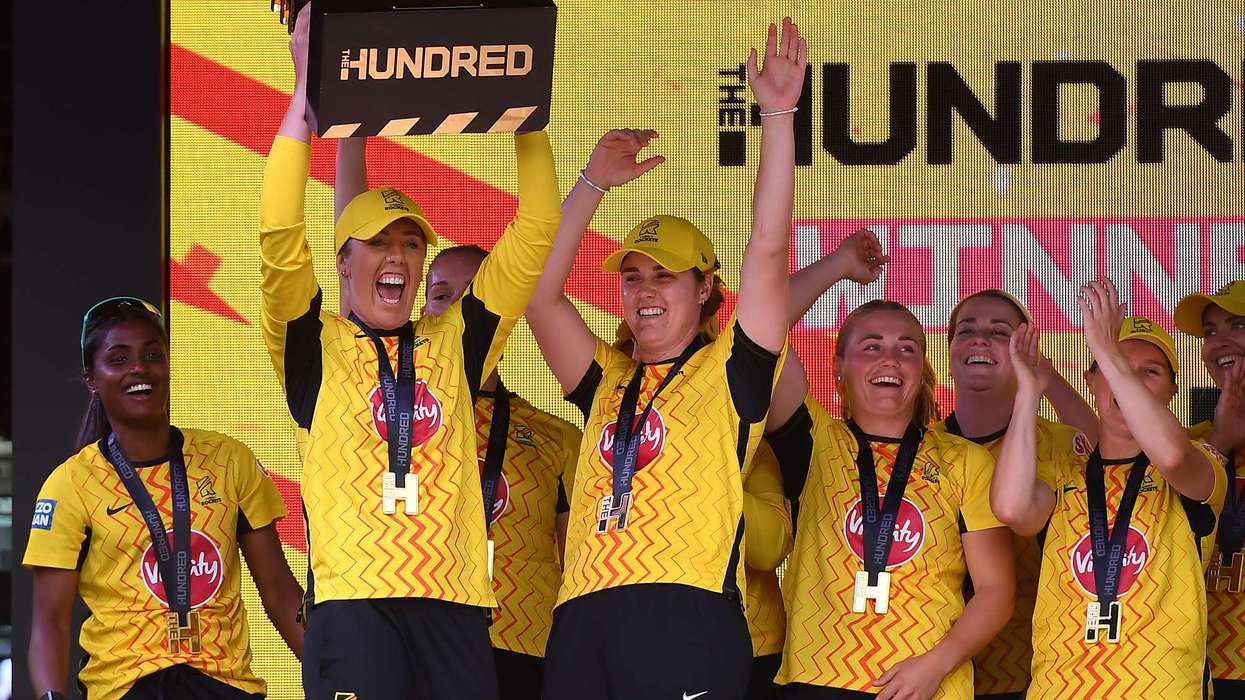

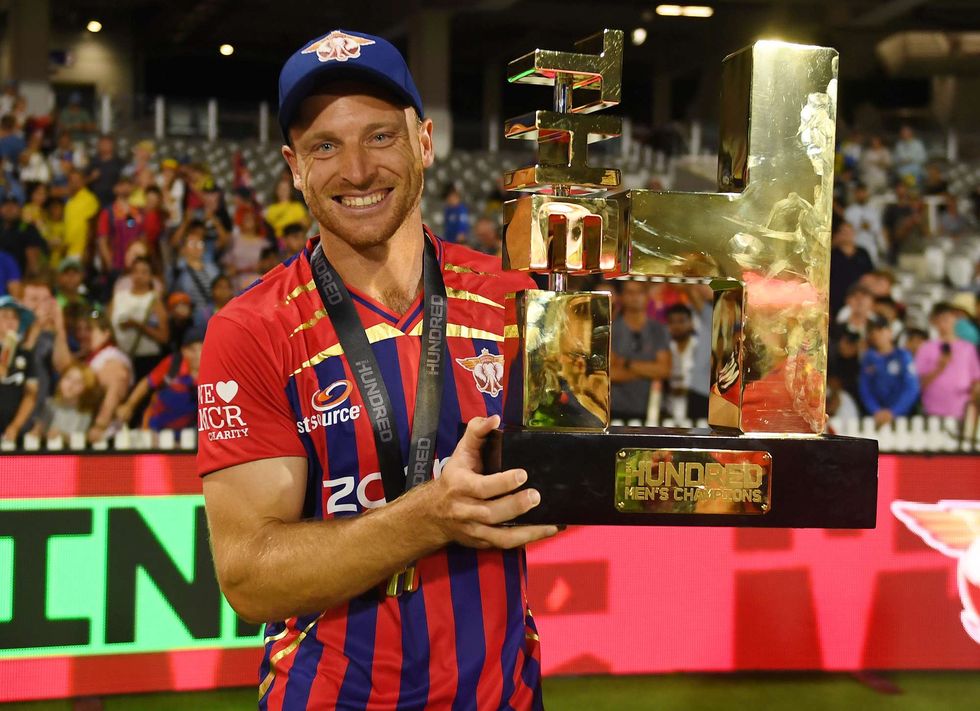
MANCHESTER SUPER GIANTS and Trent Rockets were the men’s and women’s winners, respectively, of this season’s The Hundred earlier this month – but beyond the match results, experts are pondering the outcome of Indian investment into the English game.
More than a year after wealthy Indians paid millions to acquire stakes in the franchises run by the ECB, opinions are divided about the impact of the cash injection in the tournament.
Though English County fans argued the Hundred would deprive their clubs of key players at the height of the season, the England and Wales Cricket Board (ECB) said funds raised from the sale of stakes in the franchises would support the 18 traditional counties.
A mixed picture has now emerged, with some believing the £520 million franchise windfall into English cricket has been a turning point, while others debate the limits of a one-off financial boost.
In July, Manchester-based consultancy firm Leonard Curtis published its Cricket Finance Report, which found signs of a widening financial gap between the seven counties that host Hundred teams and the 11 that do not.
Its ten-year financial performance index showed all seven host counties in the top 10, with an average score of 7.30, compared with 10.00 for the non-hosts.
 Lift their trophies after their respective victories in The Hundred finals at Lord’s in London on August 16Philip Brown/Getty Images
Surrey remained top, while Leicestershire was bottom. Surrey, Lancashire, Hampshire and Warwickshire together generated £134m, or 53 per cent, of the £253m total annual revenue of the 18 firstclass counties in 2024, the report found.
David Brown, a director at Leonard Curtis and a former batting all-rounder for Gloucestershire and Glamorgan, said the survey suggested English cricket had reached “a genuine turning point” and the £520m was already enabling counties to reduce debt and invest in their longterm future.
“But the gap between host and nonhost counties appears to be widening, rather than narrowing,” he cautioned.
There was a “strong possibility” the divide would continue to grow, he said.
The priority now, according to Brown, should be making sure the money generated by the Hundred provides lasting financial stability across the county game and supports the systems needed to produce future professional cricketers.
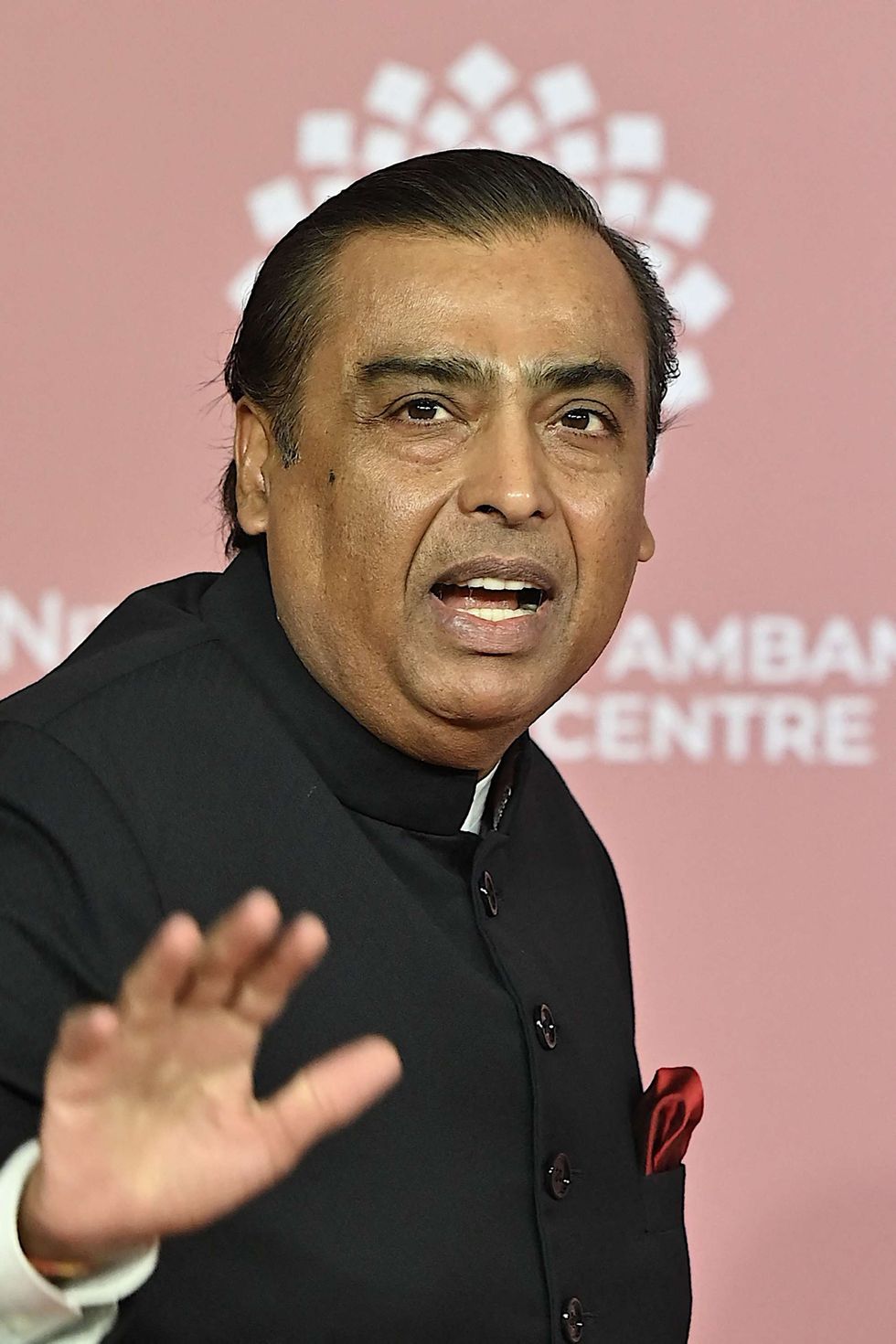
Among the Indian owners of franchises in the Hundred are India’s Reliance Industries, chaired by Mukesh Ambani (who paid about £60m for a 49 per cent stake in Oval Invincibles, creating MI London).
RPSG, led by Indian billionaire Sanjiv Goenka, bought 70 per cent of Manchester Originals, with Lancashire retaining 30 per cent, and turned them into Manchester Super Giants.
Yorkshire sold its entire stake in the Leeds franchise to India’s Sun Group for close to £60m, while Southern Brave became associated with Delhi Capitals.
These groups are behind some of the teams in the Indian Premier League, so the owners have vast experience of building brands, selling sponsorship, using player networks and thinking beyond a short domestic season.
Steve Elworthy, Surrey’s chief executive, told the BBC that MI had helped turn what was previously “pretty local” into a “global brand” with global partners.
The traditional county model depended heavily on memberships, match-day income, hospitality, sponsorship, international fixtures and ECB distributions. The Hundred franchise model adds a different proposition: build a recognisable brand, establish a large fan base and sell that identity to sponsors and audiences beyond the immediate geographical area.
Manchester Super Giants went further. Lancashire chief executive Daniel Gidney, who also sits on the franchise board, said the club had deliberately gone “big and loud” in Manchester, a city where football dominates the sporting landscape. Almost 30,000 free shirts were handed to supporters as part of the team’s first-season brand campaign.
 Michael VaughanPhilip Brown/Getty Images
Under Indian ownership, Manchester Super Giants this month won the men’s title in their first season after the rebrand, beating Trent Rockets by five wickets at Lord’s.
Tim Seifert made 72 from 38 balls as Manchester chased 159, with Liam Dawson hitting the winning six.
Trent Rockets had earlier won the women’s final, beating Sunrisers Leeds by eight wickets after bowling them out for 91. These results show the new ownership model can produce competitive cricket quickly.
MI London retained a strong Surrey connection, while adding global commercial reach.
Trent Rockets kept their Nottinghamshire links and reached both finals.
Sunrisers Leeds reached both knockout stages, but suffered a 22.5 per cent fall in men’s average attendance at Headingley.
Reports said as many as 550,000 tickets were sold during the season, its thirdhighest total, while average broadcast audiences on Sky Sports and the BBC increased by 7.5 per cent.
The ECB also reported strong demographics, with 22 per cent of tickets going to under-16s, 40 per cent to families and 28 per cent to women.
According to experts, Lancashire, Yorkshire and Surrey can use franchise investment to build stronger commercial operations, because they already have large memberships, established venues and substantial audiences.
Non-hosts also have received significant distributions, but their problem is recurring income. If their windfalls are spent merely to plug holes, the benefit will fade.
However, if funds are invested in facilities, academies, digital products, community cricket and year-round events, they could alter the trajectory of the counties, it was pointed out.
The sale of franchise stakes has given counties a chance to reduce debt, improve grounds, invest in facilities, and build reserves.
Northamptonshire offers a clear example of what that can mean for a non-host. Its directors reported an initial sum of about £18m being held on the club’s behalf, with the balance expected to exceed £20m by 2028. The county has already drawn £650,000 to buy two houses for overseas employees.
Sussex is the harder case. The county is due about £24m from the Hundred distribution, but the money is ring-fenced for projects such as debt reduction and stadium development, rather than everyday operating costs. Sussex lost £1.3m in 2025, was placed in special measures and had 12 County Championship points deducted. Its player budget was cut by £500,000.
 Mukesh AmbaniSujit Jaiswal/AFP via Getty Images
Its new chairman, Ed Warner, has been blunt. “The Hundred hasn’t rescued us, in any way, shape, or form,” he told the Telegraph, arguing the money is useful “to fall back on for the right projects”, but cannot replace sustainable annual income.
Indeed, the calendar may be one of the Hundred’s biggest unintended effects on counties outside the franchise circuit.
Sussex had only four days of home cricket during this year’s Hundred window.
Warner has proposed a T10 triangular tournament involving Sussex, Kent and Essex during August, alongside the oneday cup, as a way of giving players more competitive cricket and counties another source of income. His argument is revealing: if the Hundred is protected as the premium summer property, non-host counties need room to create products of their own.
Dr Dan Plumley, senior lecturer in sport finance at Loughborough’s School of Sport, Exercise and Health Sciences, said financial resilience and sustainability remained central concerns for county cricket in England and Wales.
He said the Leonard Curtis report showed the game had yet to achieve a stable financial position, with a clear divide emerging between better-resourced counties and those facing greater financial pressures.
He warned the divide could become wider, depending on decisions taken by the game, making cooperation between counties increasingly important.
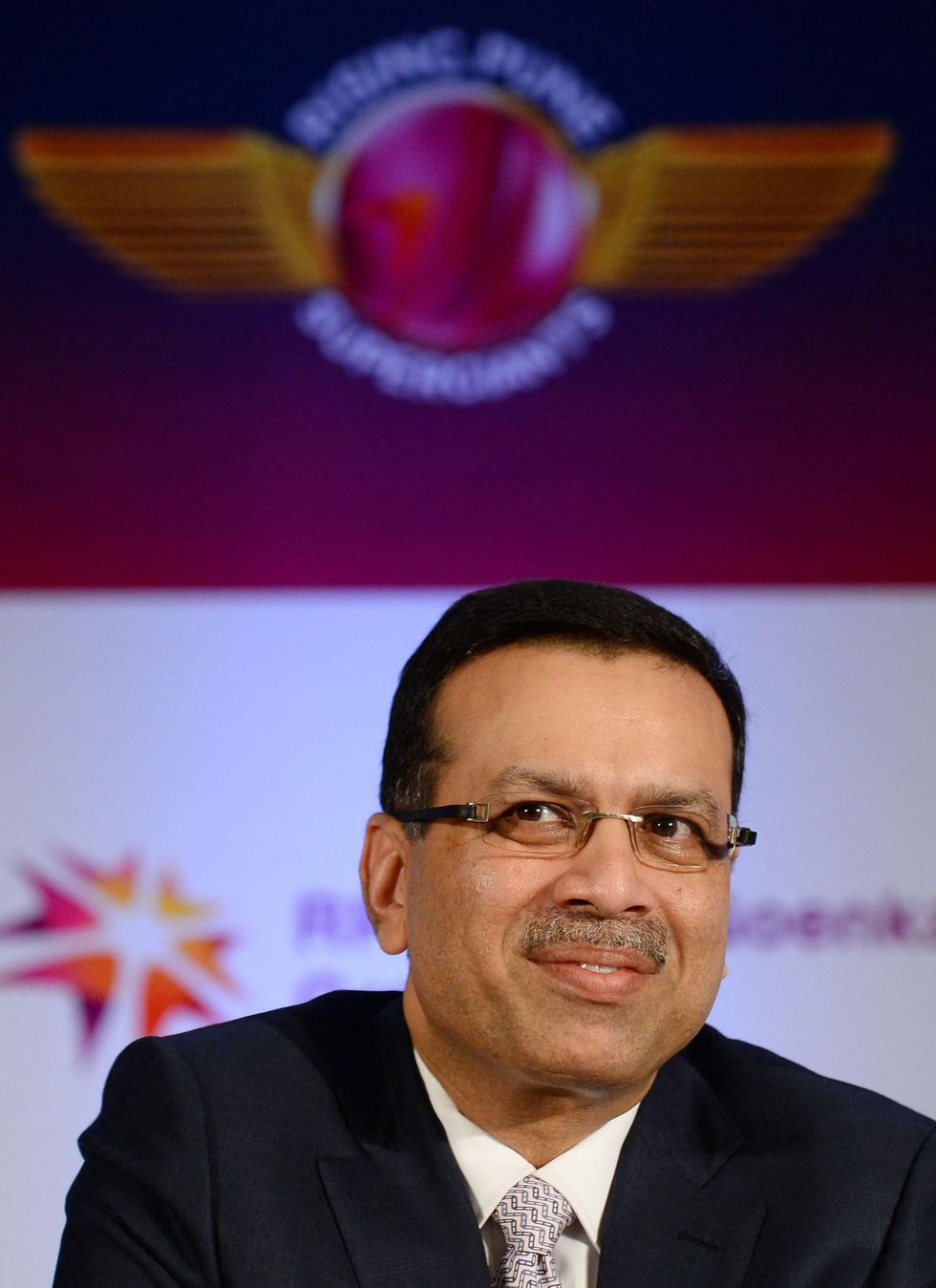 Sanjiv GoenkaSajjad Hussain/AFP via Getty Images
“The presence of ‘haves’ and ‘have nots’ is evident and the gap has the potential to widen further depending on what the game does next. Collective action will be key to this,” he said.
Plumley said cricket’s multiple formats offered opportunities to attract new audiences and generate commercial growth.
He added, “Clubs must use the financial benefits that come with this to protect and grow the game for future generations.”
The challenge for English cricket is not simply whether investors can make the eight Hundred teams richer. It is whether that money and expertise can strengthen the 18-county system on which the sport’s players, grounds and communities still depend.
Former England captain Michael Vaughan said events over the past year demonstrated how important the Hundred’s financial windfall had become for the county game.
He argued that counties, despite facing different financial pressures, needed to develop sustainable business models capable of operating throughout the year without depending on central ECB funding simply to remain viable.
Vaughan also called for some of the money from the Hundred to be directed towards county academies, which he described as “jewels in the crown”.
Georgia Adams, who moved from Southern Brave to Trent Rockets after the auction, offered an unusually personal view. She told the Guardian that her connection with Southern Brave had been deeper because of its link with Hampshire, where she plays county cricket, and admitted feeling “anger” and “disappointment” when her former franchise did not bid for her.
Her observation about supporters was even more telling: “Maybe with the change of branding, changing of names, changing of ownership, it probably has deterred some fans.” That is the danger of IPL-ification in a country where sport is already saturated with established football and rugby identities.



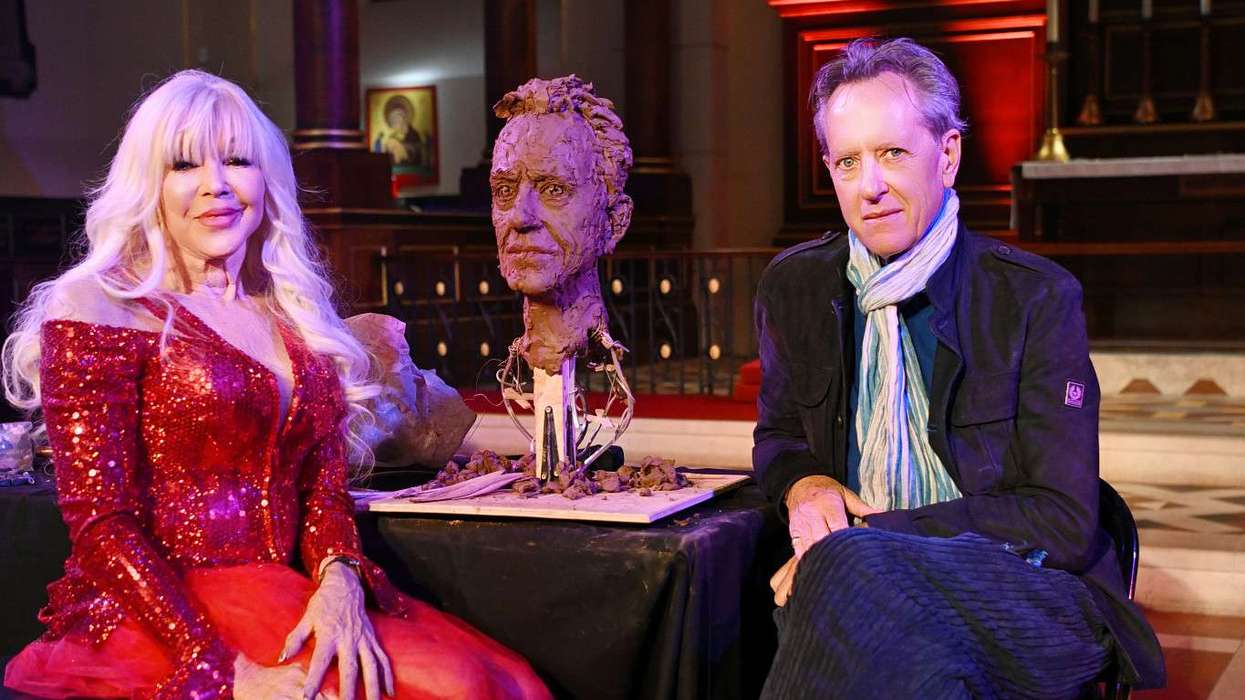
 Frances Segelman makes bust of Richard E GrantSophie Dunne
  Frances Segelman with maquette of Mulayam Singh Yadav Sophie Dunne
  Frances Segelman was dressed by KruszynskaSophie Dunne
  Frances Segelman live sculpting Richard E Grant in Actors' Church in Covent Garden.Sophie Dunne