
More than 50 survivors of terrorist attacks in the UK have signed a joint letter against politicians conflating British Muslims with extremism, according to media reports.
Survivors and relatives of those killed during attacks in London, Manchester, and Brussels are among the signatories.
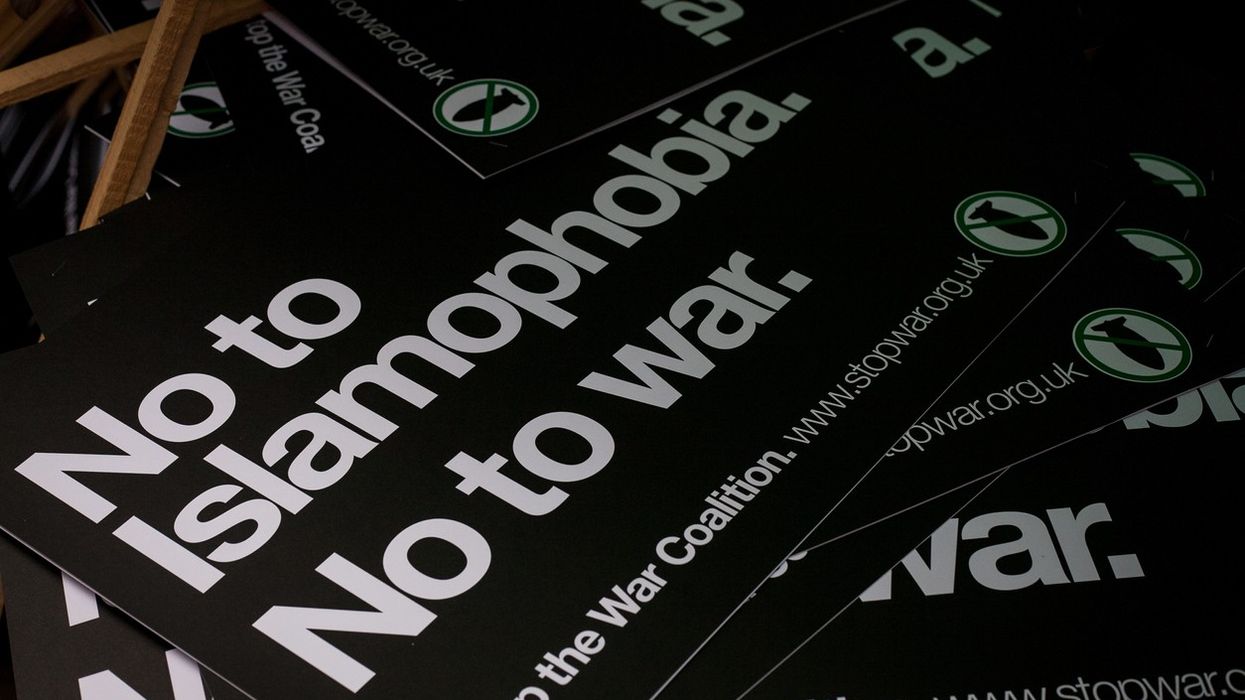
The open letter, coordinated by Survivors Against Terror, a network of survivors of attacks in Britain and British people who have been affected overseas, says it "irresponsible" for some politicians to equate extremists as a "vast majority" of British Muslims deplore such violence.
“To defeat this threat the single most important thing we can do is to isolate the extremists and the terrorists from the vast majority of British Muslims who deplore such violence," the letter stated.
They noted that in recent weeks many politicians have failed to do so and some have equated being Muslim as being an extremist.
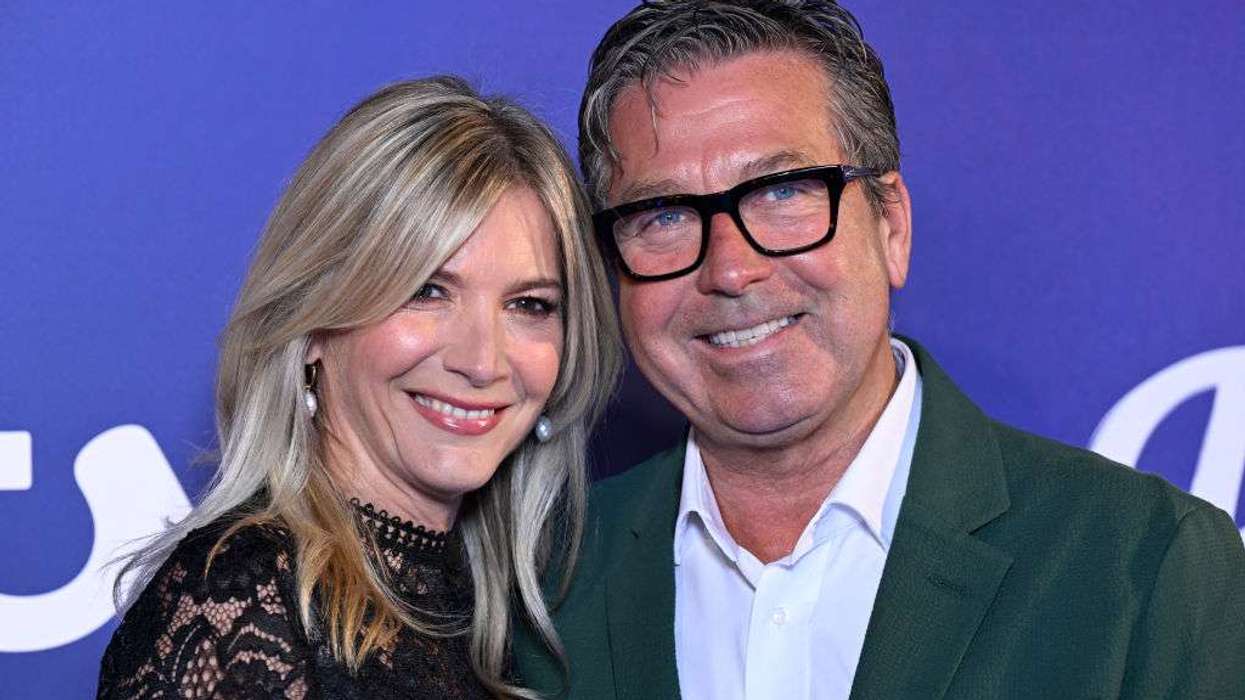
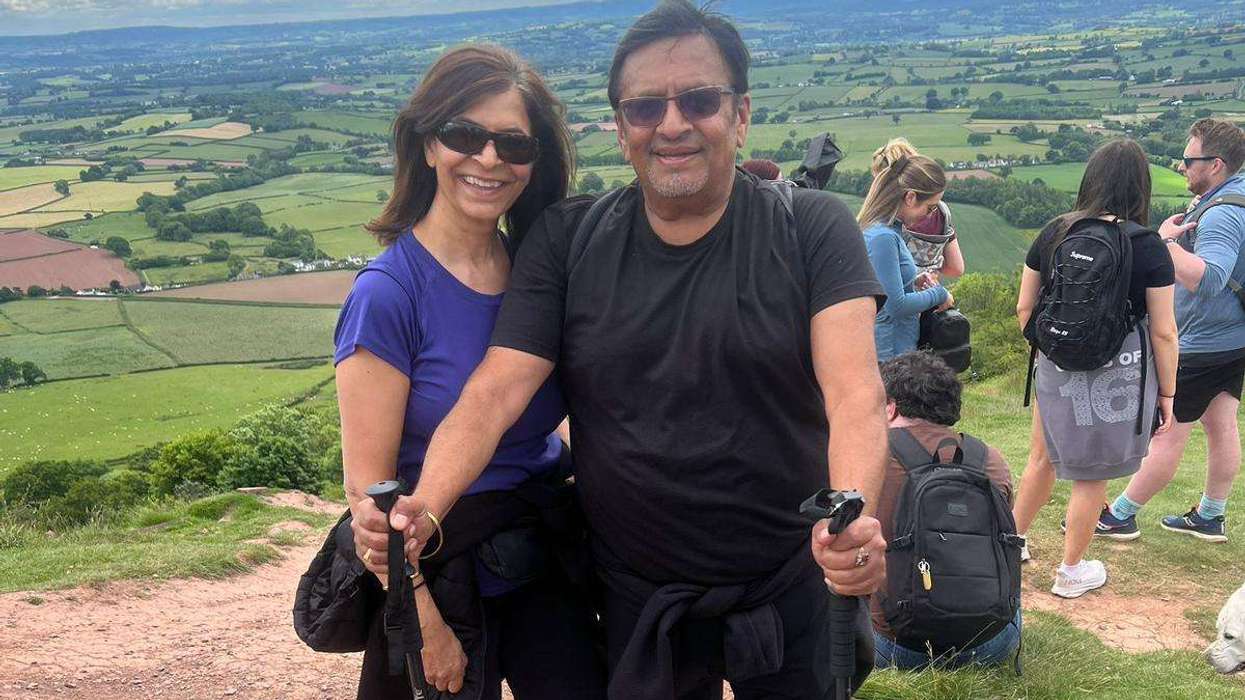
The 57 signatories include Rebecca Rigby, the widow of soldier Lee Rigby who was murdered in south-east London in 2013, and Paul Price, who lost his partner, Elaine McIver, in the Manchester Arena attack in 2017.
The signatories also include Magen Inon, whose parents were killed by Hamas during the 7 October attacks on Israel.
They cautioned that such comments could play “into the hands of terrorists”.
The letter comes in the backdrop of the controversy raised by former Conservative party deputy chair Lee Anderson that London mayor Sadiq Khan was under the control of Islamists. Anderson was subsequently suspended from the party.
Former home secretary Suella Braverman had in an article in the Telegraph said, “The Islamists, the extremists and the anti-Semites are in charge now”.