
Former Sri Lanka captain Kumar Sangakkara on Thursday delivered a powerful message against racism, saying education without values will not stop discrimination.
Sangakkara said a change can be brought only by teaching real history instead of a sanitised version of it.
Offering his views on the 'Black Lives Matter' movement that has gathered momentum following the death of African-American George Floyd, Sangakkara said, "It doesn't matter if you are educated or not. I have seen some of the worse acts committed by people with best education."
"If your education is not based on values and not rooted in that in-built moral campus then you will be in trouble. Education is not going to take away any of your prejudices, it will only help you argue them away better," he told Cricbuzz.
Sangakkara said there are various versions of racism and "skin colour is not the only basis for discrimination."
"If you take Black Lives Matter, if you take racism and discrimination in the world, I think one of the most important things is to teach our children history as it should be, and not the sanitised version of it. We need to shine the spotlight on the whole character -- the good, the bad and the ugly," he said.
"Once one understand what real history is, we will find changes in attitude. If you wake people up to that reality instead of believing we are the be all and end all of civilization, I think that will be a powerful lesson to everyone.
"Change won't happen overnight, it's not the flavour of the month where you protest about it and forget it. It's a slow and tedious process involving everyone in the world."
The 'Black Lives Matter' movement has found support from former and current cricketers around the world. In fact, the opening England-West Indies Test saw players from both sides take a knee to express solidarity to the cause.
Sangakkara, who has scored 12400 runs in 134 Tests and 14234 runs in 404 ODIs, said, "We are all taught to love our country but sometimes we follow that blindly and that stops up from appreciating other cultures, races, religion and ethnicity."
The 42-year-old said as a human being it is our responsibility to help others.
"As an entertainer, you are responsible for the spectators and the fans for providing us with the stage and audience in front of which we perform, so without them you are nothing, so along with it comes social responsibility... can't escape the responsibility," he said.
"We always have cricket team or sports team around the world doing charity, some of it looks very staged... If you are a responsible citizen, whether you play sport or not you have a responsibility to make another life better.



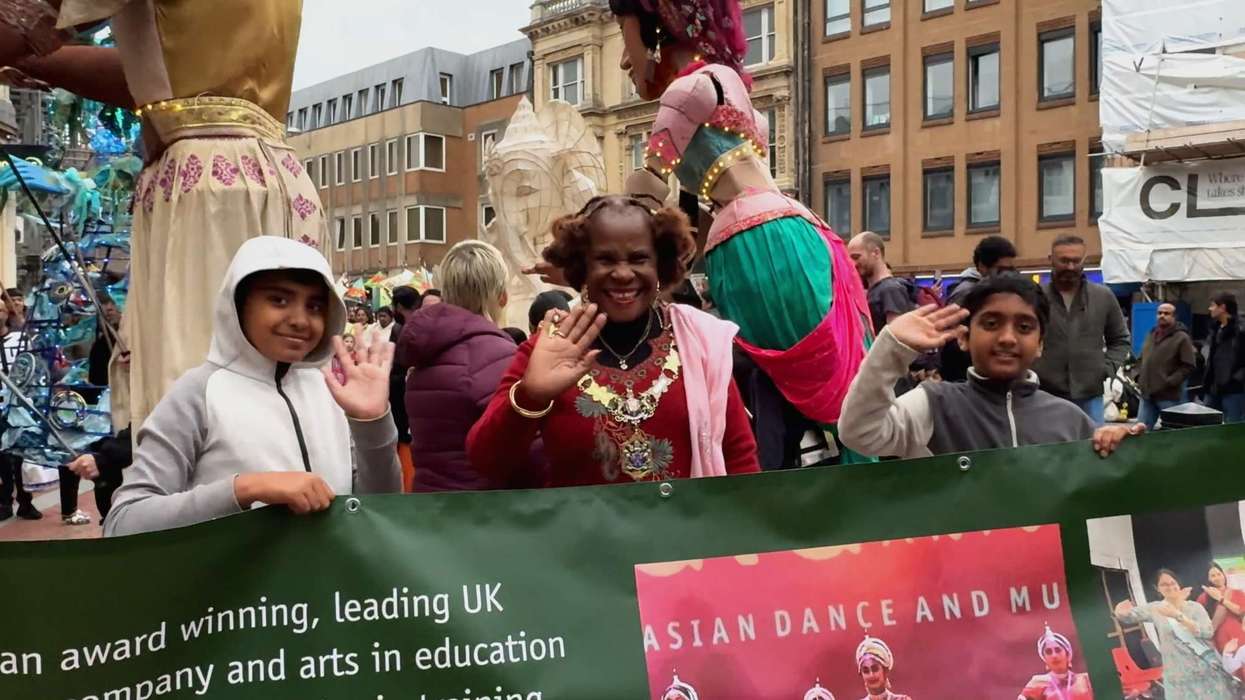
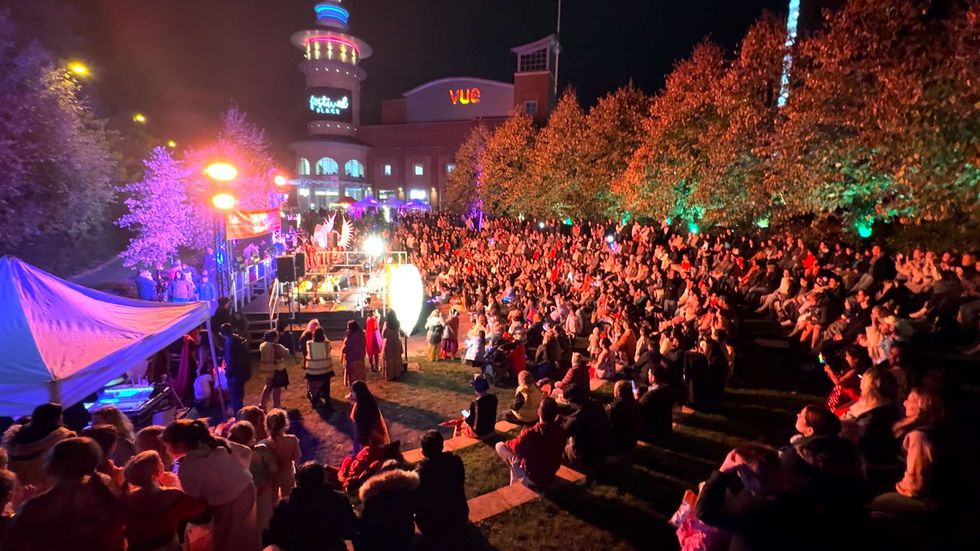 Basingstoke’s parade will depart from the Willis MuseumKala the Arts

