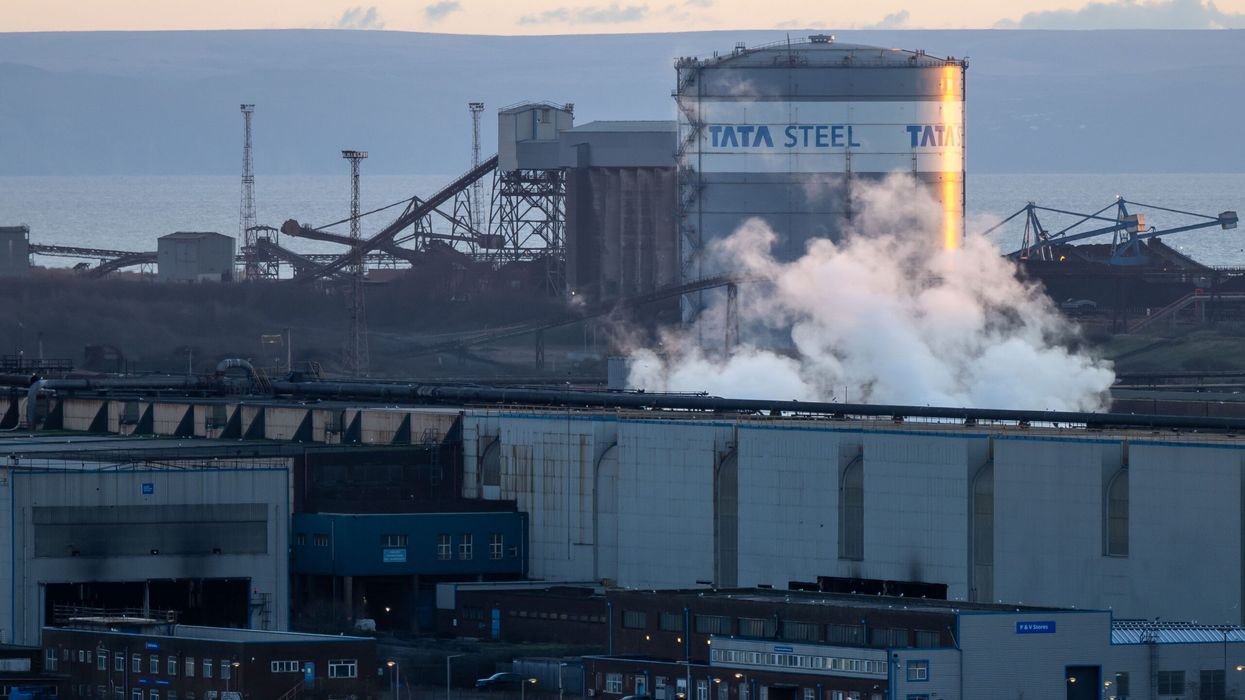

Tata Steel's move to modernise its Port Talbot plant in south Wales, to reduce carbon emissions and trim losses, has angered steel unions as they fear thousands will lose their jobs.
The Mumbai-headquartered steelmaker plans to close two old blast furnaces at Britain's biggest steel plant as part of its £1.25-billion investment to transition to electric arc furnaces.
Tata has rejected a plan from unions to keep one blast furnace running for a transition period to ensure a “just transition” to greener steelmaking, by terming it as financially and operationally unviable.
The company claims the unions' proposal would result in at least £1.6 billion of additional costs and put the factory's future continuity in jeopardy.
About 2,800 jobs are likely to go across Tata's UK operations, the bulk of them at Port Talbot. It currently employs 4,000 workers at Port Talbot and will begin a voluntary redundancy process in May.
Steel unions are threatening to resort to industrial action.
Unite union members have already voted in favour of industrial action earlier this month, while members of Community and the GMB unions are being balloted on whether to walk out over the plans. Both ballots close on May 9.
“It's incredibly disappointing that Tata has chosen to reject the multi-union plan, which is an ambitious and viable alternative to their destructive bad deal for steel,” said Community general secretary Roy Rickhuss.
"We do not accept the company's assertion our plan was too expensive … Tata has made their decision, and our members will decide on our collective response,” he said.
Tata has warned that "enhanced" redundancy packages will be reduced if there is an industrial action.
The electric arc furnace is less polluting than traditional blast furnaces but requires fewer workers.
Tata said the move would secure the future of steel making at the site and the UK government is contributing £500m towards the cost of the project.
The company said during the consultation process it had revised its original proposal, agreeing to continue to operate the Hot Strip Mill through the transition period.
In a joint statement, First Minister Vaughan Gething and Energy and Economy Secretary Jeremy Miles said the Welsh government would continue to argue for a "fairer transition" for workers.
Shadow Welsh secretary Jo Stevens described the result of the consultation as a setback for people in Port Talbot, and its economic consequences will be felt across south Wales.