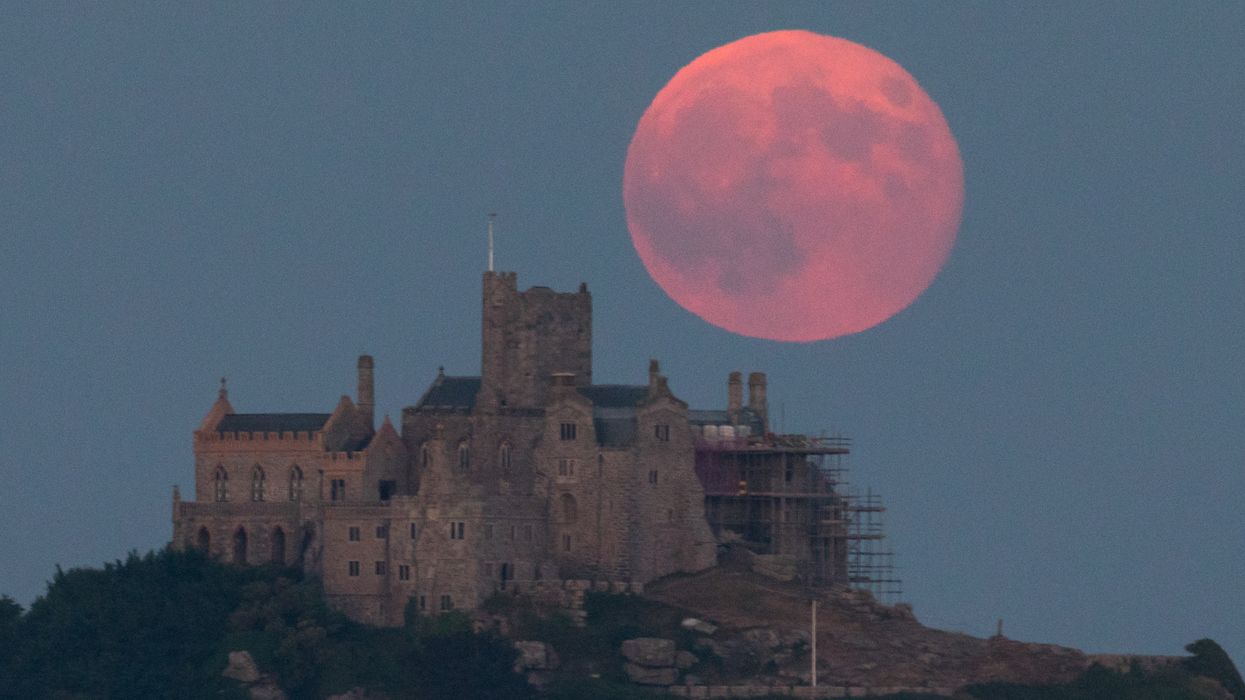

A full Strawberry Moon is set to light up UK skies tonight, and while the name might sound whimsical, it harks back to ancient survival. This year’s version is even more special, astronomers say it will be the lowest-hanging full moon visible from the UK since 2006, thanks to a rare celestial rhythm called a major lunar standstill.
This striking phenomenon won’t return until 2043, giving tonight's event a once-in-a-generation status.
Not just folklore: Why the full moon mattered
Before artificial light, people used the moon to tell time, track seasons, and plan everything from planting to hunting. Full moons were the most reliable markers in the sky. June’s full moon, now called the Strawberry Moon, earned its name because it marked the brief, crucial window to harvest wild strawberries in parts of North America and Europe.
It was more than poetic. For agrarian and tribal societies, knowing when fruit would ripen, or when tides would shift, often meant the difference between feast and famine.
The names of full moons, like the Wolf Moon in January or the Hunter’s Moon in October, served as practical reminders in cultures where survival was tuned to nature’s cycles. In Britain, Anglo-Saxon traditions also named full moons to align with seasonal activities, including “Mead Moon” and “Hay Moon” in midsummer.
What makes this Strawberry Moon rare?
Tonight’s full moon won’t just carry a historical name, it will also appear exceptionally low in the southern sky over the UK, due to a major lunar standstill.
This standstill is part of an 18.6-year lunar cycle in which the Moon’s orbit tilts to its extreme, causing it to rise and set at its furthest points on the horizon. When the Moon is full during this period, it appears dramatically low to those living at higher latitudes like the UK.
The last time this happened was in 2006, and the next opportunity will be in 2043. Astronomers say the effect is subtle but visually striking, especially for those who catch it just above the horizon.
Why the Moon may look larger and warmer in colour
Because the Moon will sit low on the horizon, it may appear larger and redder than usual. This is due to two overlapping effects:
- The Moon illusion is a psychological effect that makes low-lying moons seem unusually large when viewed against trees, rooftops or hills.
- Atmospheric filtering: as the Moon’s light passes through more of the Earth’s atmosphere, shorter blue light wavelengths are scattered, leaving red and orange tones, similar to what we see during sunsets.
Despite its name, the Strawberry Moon isn’t pink. The reddish glow has nothing to do with strawberries and everything to do with basic physics.
When and where to see the Strawberry Moon in the UK
- Date: The Strawberry Moon will reach its peak tonight, Wednesday, 11 June, though it will appear nearly full on surrounding nights.
- Time: Moonrise begins shortly after sunset, and it will set in the early hours of Thursday morning.
- Best locations: Look towards the southeast horizon from an open space, countryside, hilltops or coastal areas are ideal. Avoid areas with tall buildings or trees.
Much of England and southern Scotland is expected to have clear skies, while parts of Northern Ireland, the Western Isles and the southwest may face some cloud cover.
What to watch for: Shadow, light and silence
Unlike a solar eclipse or meteor shower, the Strawberry Moon offers no sudden burst of activity. Instead, it invites quiet observation.
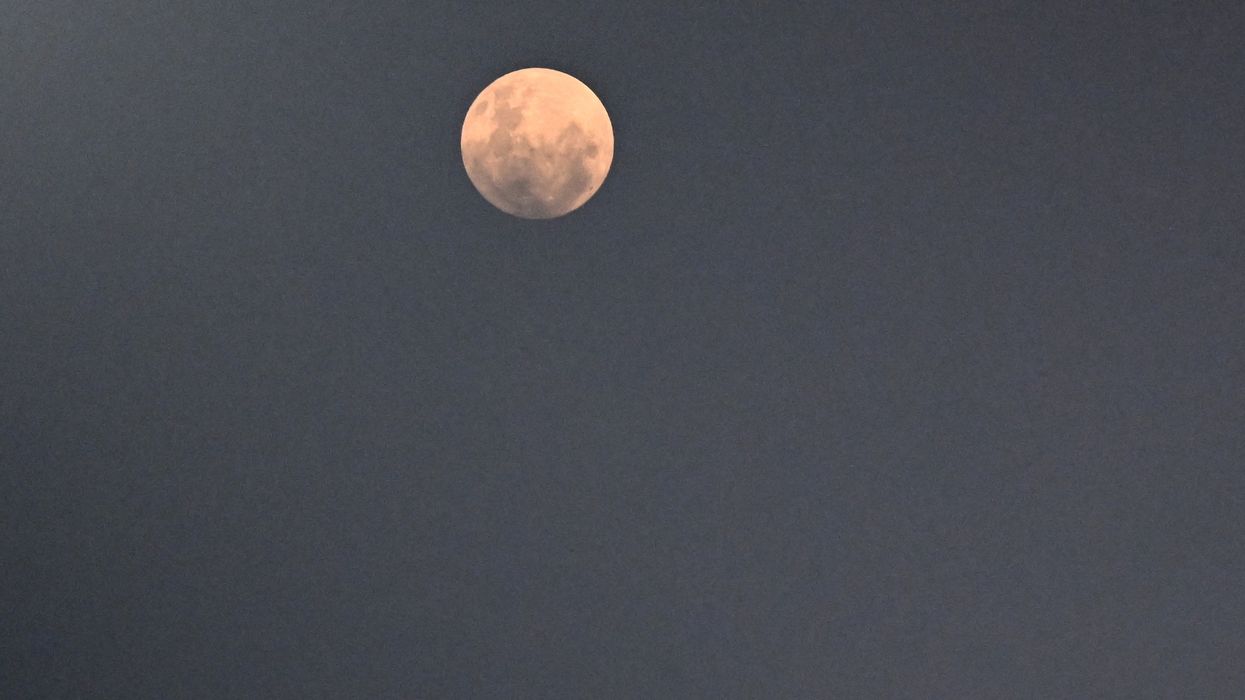 The last time this happened was in 2006Getty Images
You may notice longer shadows, a softer night glow, and even subtle changes in wildlife behaviour—birds going quiet or insects emerging as the Moon brightens the landscape.
Photographers and night hikers often prefer these low full moons because the warm-toned light adds depth and contrast to landscapes. Tonight could offer one of the most photogenic lunar rises of the decade.
A celestial rhythm worth remembering
With artificial light, GPS, and 24-hour timekeeping, it’s easy to forget how much our ancestors depended on full moons like this one. The Strawberry Moon full moon is more than a curious title; it’s a symbol of our shared rhythm with the Earth and sky.
And with tonight’s lunar standstill adding a rare twist to a long-standing tradition, it’s the perfect moment to pause and look up, knowing that the same glowing sphere was once used to mark the start of strawberry picking, midsummer festivals, and the passing of seasons.
Next time it swings this low, many of today’s children will be adults. That alone makes it worth stepping outside.