
SRI LANKA offered an amnesty last Sunday (9) for the return ofhistorical treasures looted when protesters stormed the presidential palace a year ago, forcing then-leader Gotabaya Rajapaksa to flee.
The artefacts were stolen from the palace in the heart of the capital Colombo during its fiveday occupation.
“Various valuable artefacts and archaeological items went missing, including coats of arms associated with former governors and presidents of Sri Lanka,” the office of Rajapaksa’s successor Ranil Wickremesinghe said in a statement, announcing a month-long amnesty to surrender the items.
Officials released photos of five coats of arms, including one of Jorge de Albuquerque, the seventh Portuguese governor appointed in 1622 to administer the island. Other coats of arms belonged to governors during British colonial rule in the 19th and 20th centuries.
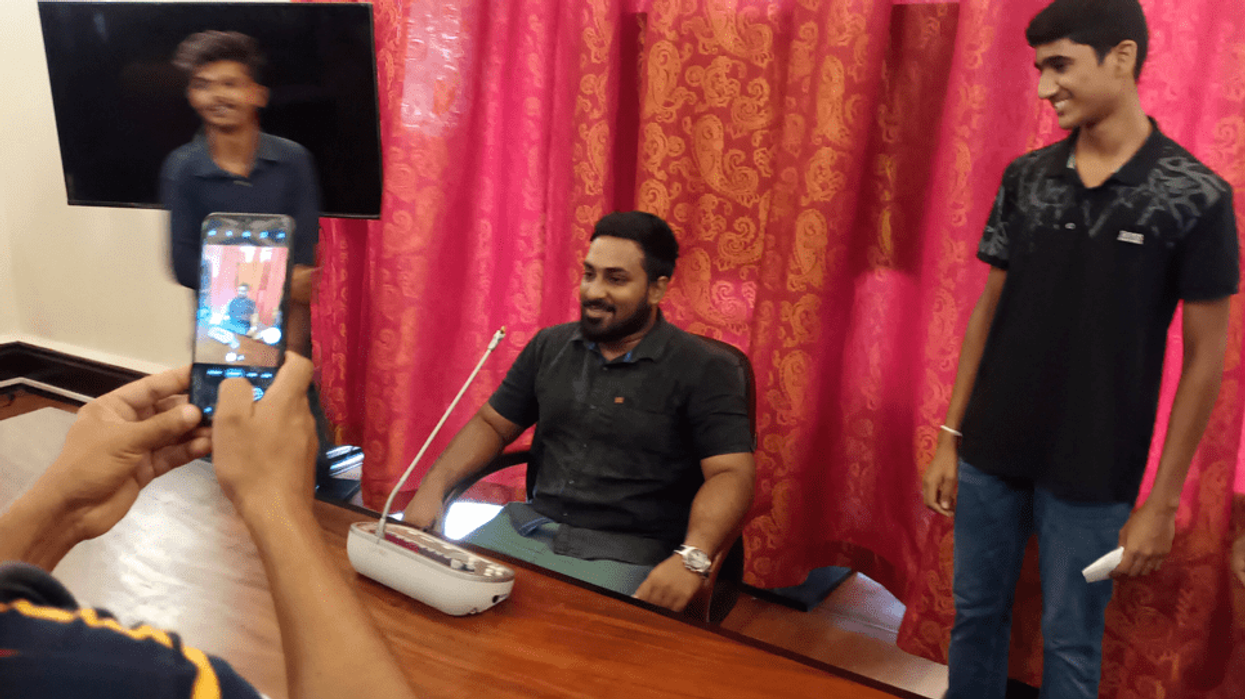
Soon after protesters overran the palace, social media posts showed them frolicking in the presidential pool and bouncing on four-poster beds.
As Rajapaksa escaped through a back entrance, security forces stepped back while crowds took selfies in front of valuable artefacts. Rajapaksa was blamed for corruption and mismanaging the nation’s finances.
Police later arrested a man who walked home with a presidential beer mug, and two others who took flags of Rajapaksa –turning them into a sarong and a bedsheet – were caught after posting photographs on Facebook.
Activists, however, handed over to the police some $6,000 (£4,646) in cash found in Rajapaksa’s bedroom, with a court since calling on the former president to explain how he earned it.