
- SpaceX launched its biggest and most powerful Starship rocket on May 23
- The upgraded V3 spacecraft is expected to support Nasa’s Artemis Moon programme
- The test flight came days after Elon Musk announced plans to take SpaceX public
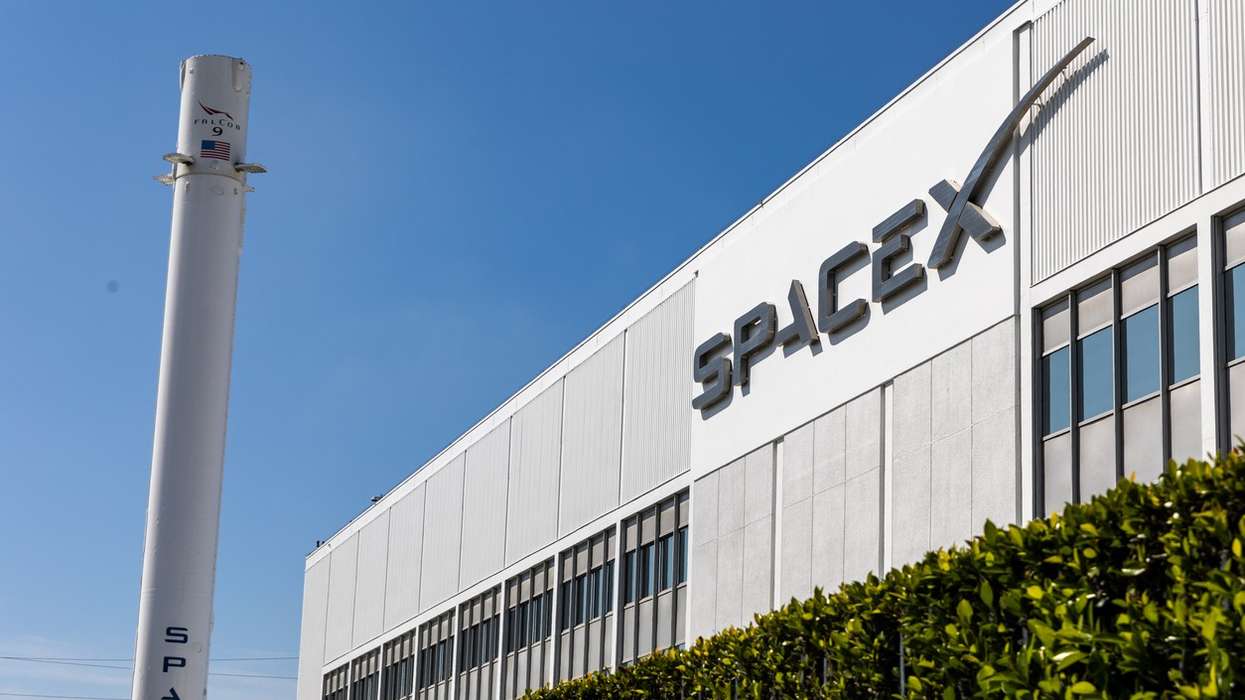
Space exploration company SpaceX has launched the biggest and most powerful version of its Starship rocket yet, as the company pushes ahead with plans tied to Nasa’s Artemis Moon programme and its longer-term ambitions for Mars.
The latest Starship test flight took place on May 23 from Starbase in southern Texas, close to the Mexican border. The mission also marked the debut of SpaceX’s third-generation Starship, known internally as V3, which features a larger structure, upgraded systems and stronger engine performance.
The launch arrives at a critical moment for both SpaceX and Nasa. The US space agency is relying heavily on Starship as part of its Artemis programme, which aims to return astronauts to the Moon for the first time since Apollo 17 in 1972. The test also came just two days after SpaceX chief Elon Musk announced plans to take the company public, potentially setting up one of the largest market listings in recent US history.
A bigger rocket with fewer second chances
Standing around 124 metres tall, the upgraded Starship is slightly taller than previous versions and is designed to carry more payload while improving reliability after a series of explosive failures in earlier tests.
SpaceX reportedly said the revamped booster includes larger and stronger grid fins used for steering during descent, along with a significantly larger fuel transfer system feeding its 33 engines. The spacecraft itself has also received upgrades including additional onboard cameras, improved computing systems and docking hardware that could eventually support missions around the Moon.
Unlike some previous launches, SpaceX did not attempt to recover any part of the rocket during this mission. The first-stage booster was expected to fall into the Gulf of Mexico, while the spacecraft and its mock satellite payloads were set to end their journey in the Indian Ocean.
The mission carried 20 mock Starlink satellites, which were expected to be released during the flight. SpaceX has been testing Starship as part of a wider plan to eventually make the entire launch system fully reusable, with giant mechanical arms at the launch site intended to catch returning rocket stages mid-air.
Moon ambitions now turning into a real competition
The latest test also highlights the growing competition between SpaceX and Blue Origin, the rocket company founded by Jeff Bezos.
Nasa is funding both companies to develop lunar landers capable of carrying astronauts to the Moon under the Artemis programme. While Starship has already completed several space-bound test flights, Blue Origin’s Blue Moon lander is yet to launch, although reports suggest a prototype mission could take place later in 2026.
Nasa is expected to carry out another Artemis mission next year involving astronauts practising docking procedures in orbit using the Orion capsule and potentially Starship or Blue Moon systems. A crewed Moon landing under Artemis IV could follow as early as 2028, depending on which spacecraft proves safer and mission-ready first.
The broader goal is not just a short Moon visit, but the development of a long-term base near the lunar south pole where astronauts and robotic systems could operate together.
Even before Starship becomes operational, SpaceX has already started attracting wealthy customers interested in future private space travel.
California businessman Dennis Tito, recognised as the world’s first space tourist, had earlier signed up for a planned private trip around the Moon alongside his wife, although no confirmed timeline has been announced.
Separately, Chinese-born cryptocurrency investor Chun Wang reportedly said he plans to join Starship’s first interplanetary mission to Mars. Wang previously flew on a privately chartered SpaceX polar mission aboard a Dragon capsule, becoming part of the first crew to orbit above both the north and south poles.
Neither pricing nor launch dates for those future missions have been disclosed so far.