
Highlights:
- SpaceX halted its 10th Starship test flight minutes before liftoff in Texas.
- Engineers cited a ground systems issue and will attempt another launch on Monday.
- The decision follows multiple explosions in earlier Starship trials.
- The rocket is central to Musk’s Mars ambitions and NASA’s lunar mission plans.
Launch halted in Texas
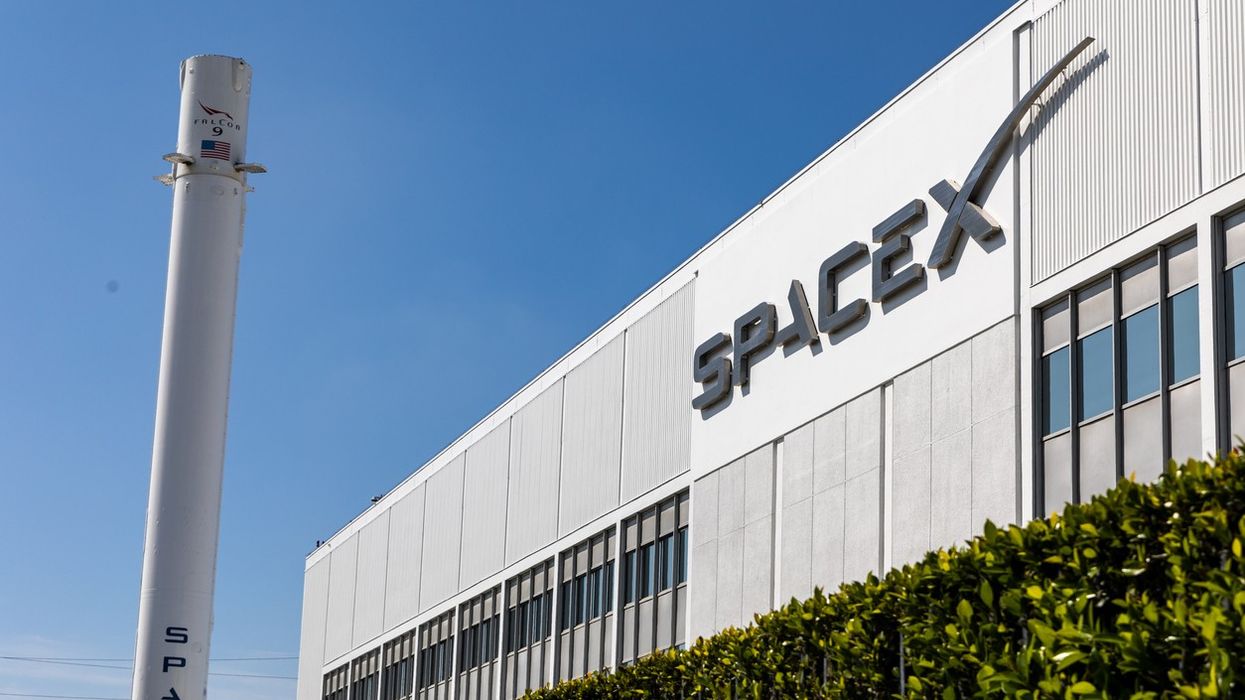
SpaceX called off the 10th test flight of its Starship megarocket on Sunday, marking another delay for Elon Musk’s ambitious space programme. The company announced the halt roughly 30 minutes before liftoff from its Boca Chica launch site, saying the pause was to “allow time to troubleshoot an issue with ground systems.”
A new launch attempt has been scheduled for Monday.
Previous failures
The cancellation is the latest in a string of setbacks for SpaceX’s Starship project. Earlier tests of the rocket’s upper stage in January, March and May ended in mid-flight explosions, while a June “static fire” trial saw the vehicle erupt on the launchpad.
Despite these failures, SpaceX maintains that the fully reusable 403ft (123m) rocket is essential to reducing spaceflight costs and enabling long-duration missions.
Role in Mars and Moon missions
Starship is designed to ferry both people and cargo into space, forming the backbone of Musk’s long-term goal of establishing a settlement on Mars. NASA has also contracted SpaceX to deliver a customised version of Starship for its Artemis programme, which aims to return astronauts to the Moon.
Planned flight objectives
Had Sunday’s launch gone ahead, Starship’s upper stage was expected to separate from its Super Heavy booster at high altitude. The booster, which has previously demonstrated landings using giant mechanical arms, was set to attempt a water landing in the Gulf of Mexico to test a backup engine configuration.
The Starship upper stage was programmed to fire its engines in space, release a batch of mock Starlink satellites, and reignite on a suborbital path around Earth.
Ongoing challenges
Even if the 10th test flight proves successful, SpaceX still faces major engineering challenges. These include making the vehicle rapidly and fully reusable, cutting launch costs significantly, and proving it can refuel using super-cooled propellants in orbit—capabilities seen as vital for both lunar and Martian missions.