
Highlights
- Sikh man jailed for life for murdering Southampton student Henry Nowak
- Judge orders Vickrum Digwa to serve a minimum of 21 years in prison
- Police apologised after handcuffing the dying victim following a false claim of racial abuse
- IOPC investigating police response to the incident
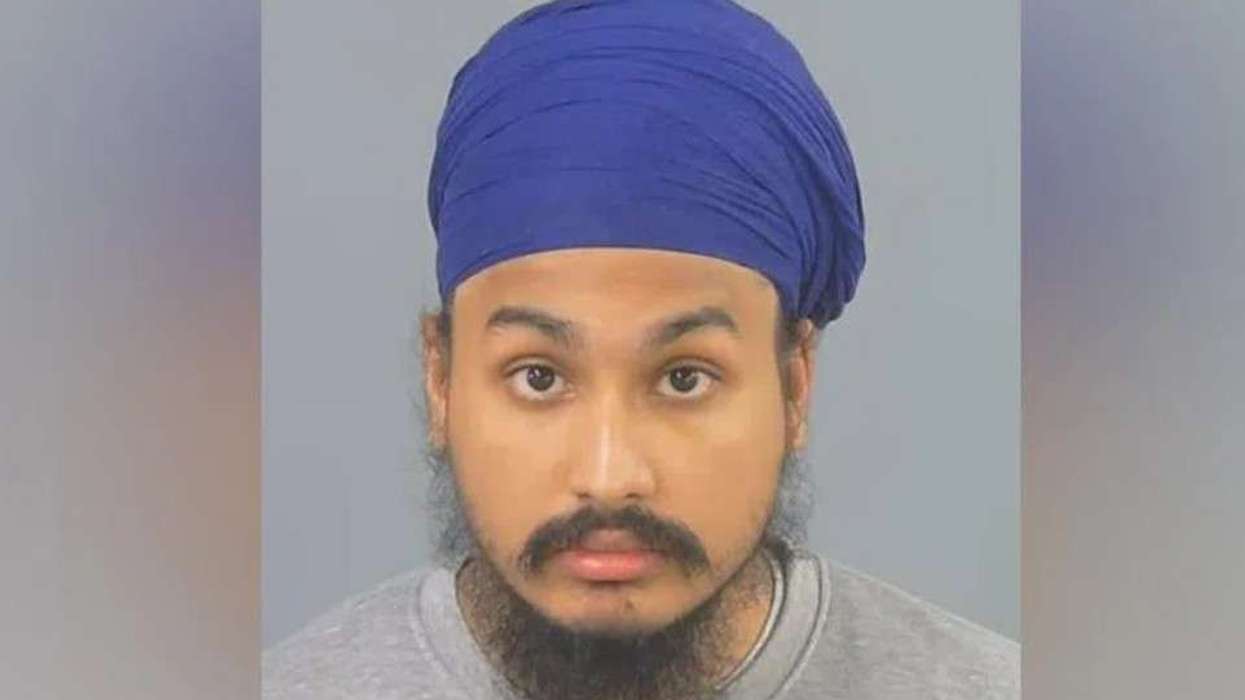
A UK court on Monday jailed a British Sikh man for life for killing a student in a case that drew attention after police handcuffed the dying victim following a false claim of racial abuse.
Judge William Mousley at Southampton Crown Court sentenced Vickrum Digwa, 23, to life in prison and ordered him to serve at least 21 years for the killing of 18-year-old student Henry Nowak.
A jury on Friday found Digwa guilty of murdering the accountancy and finance student on a Southampton street last December.
Police officers arrested and handcuffed Nowak at the scene after Digwa claimed he had been racially abused. The victim later died from stab wounds.
The judge said he was “sure that Henry had said nothing racist”.
Sikh man convicted of murder after jury rejects racist abuse
The police force apologised for handcuffing Nowak and said on Friday it had referred itself to the Independent Office for Police Conduct (IOPC).
Prime minister Keir Starmer described it as an “awful, shocking case” on X and said it was “right that the IOPC is investigating the police's response to (Nowak's) senseless murder”.
Outside court, the victim’s father, Mark Nowak, said: “Henry should not have died on the streets of Southampton in police custody. The way he was treated was inhumane and degrading.”
He also called for a “full, fearless and transparent investigation” by the IOPC.
The case was discussed during the trial by figures on the far right, including Tommy Robinson and Elon Musk.
After the verdict, right-wing group Turning Point UK posted footage of its leader speaking at a protest outside a police station in Southampton on Friday.
According to campaign group Stand Up to Racism, far-right group White Vanguard held a small vigil in Southampton on Sunday, while the anti-racism group organised a counter-protest.
Judge Mousley said Digwa used a large knife carried in a sheath attached to a belt outside his clothing to carry out the murder. He was also wearing a small Sikh ceremonial dagger, or kirpan.
The Sikh Federation said the weapon used by Digwa “was not a kirpan”, which can legally be carried as an article of faith.
The Sikh Federation also said claims that Digwa killed Nowak using the ceremonial dagger “unnecessarily brought our sacred kirpan into disrepute and increased verbal and physical abuse against Sikhs in the last couple of weeks”.
The prosecution service denied describing the murder weapon as a kirpan.
(With inputs from agencies)