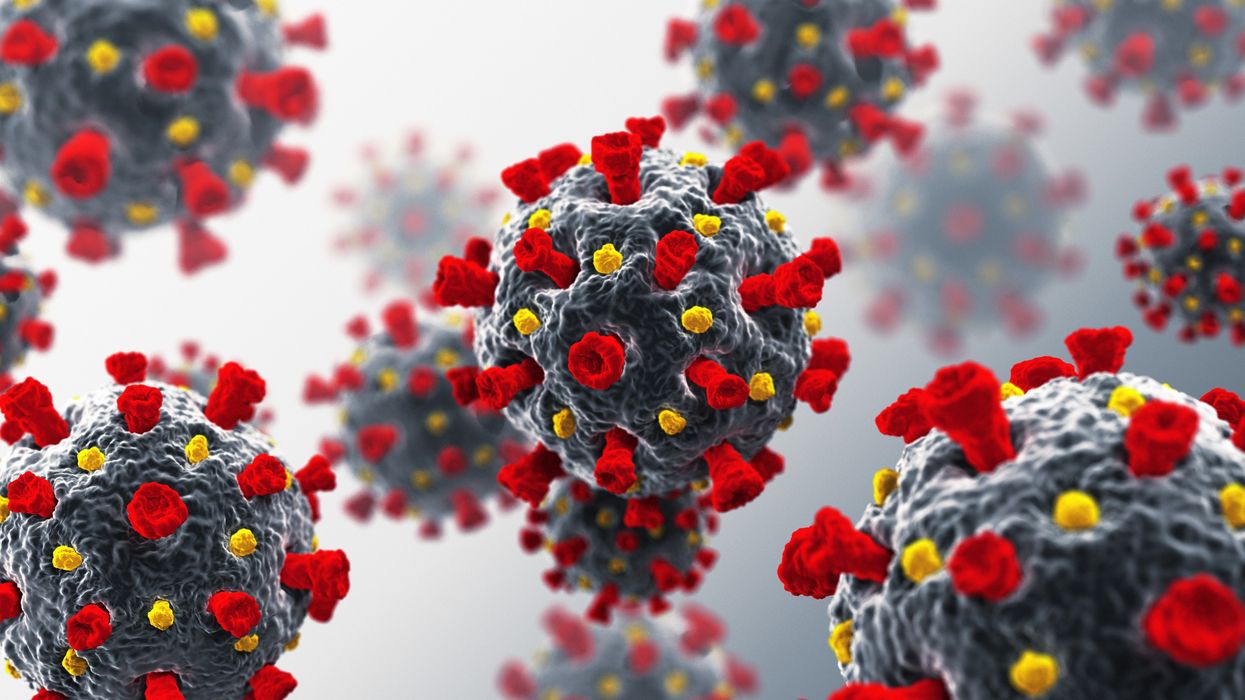

The World Health Organisation (WHO) has not associated the term "Indian Variant" with the B.1.617 variant of the coronavirus in any of its reports, said the IT ministry in India.
Many countries have reported that the Indian variant of coronavirus is spreading rapidly and social media platforms are used widely to spread such news.
But India has clarified that the term “Indian variant” is not associated with B.1.617 variant of coronavirus by WHO.
Therefore the government has urged all social media platforms to delete content which mentions ‘Indian variant’ of coronavirus to stop the spread of wrong information globally.
A "false statement" is being circulated online that implies that an 'Indian variant' of coronavirus is spreading across the countries, the notice from the IT ministry said.
Digital platforms said they have received the latest advisory.
The IT ministry said the matter has already been clarified by the Ministry of Health and Family Welfare on May 12, 2021.
Previously, the Ministry of Electronics and Information Technology had issued advisories regarding curbing of false news/misinformation concerning coronavirus on social media platforms
India is one of the biggest markets for digital platforms like Google, Facebook, and Twitter.
As per data cited by the government, recently, the country has 53 crore WhatsApp users, 44.8 crore YouTube users, 41 crore Facebook users, while 21 crore use Instagram and 1.75 crore are on Twitter
Earlier this year, the government had introduced guidelines to curb the misuse of social media platforms.





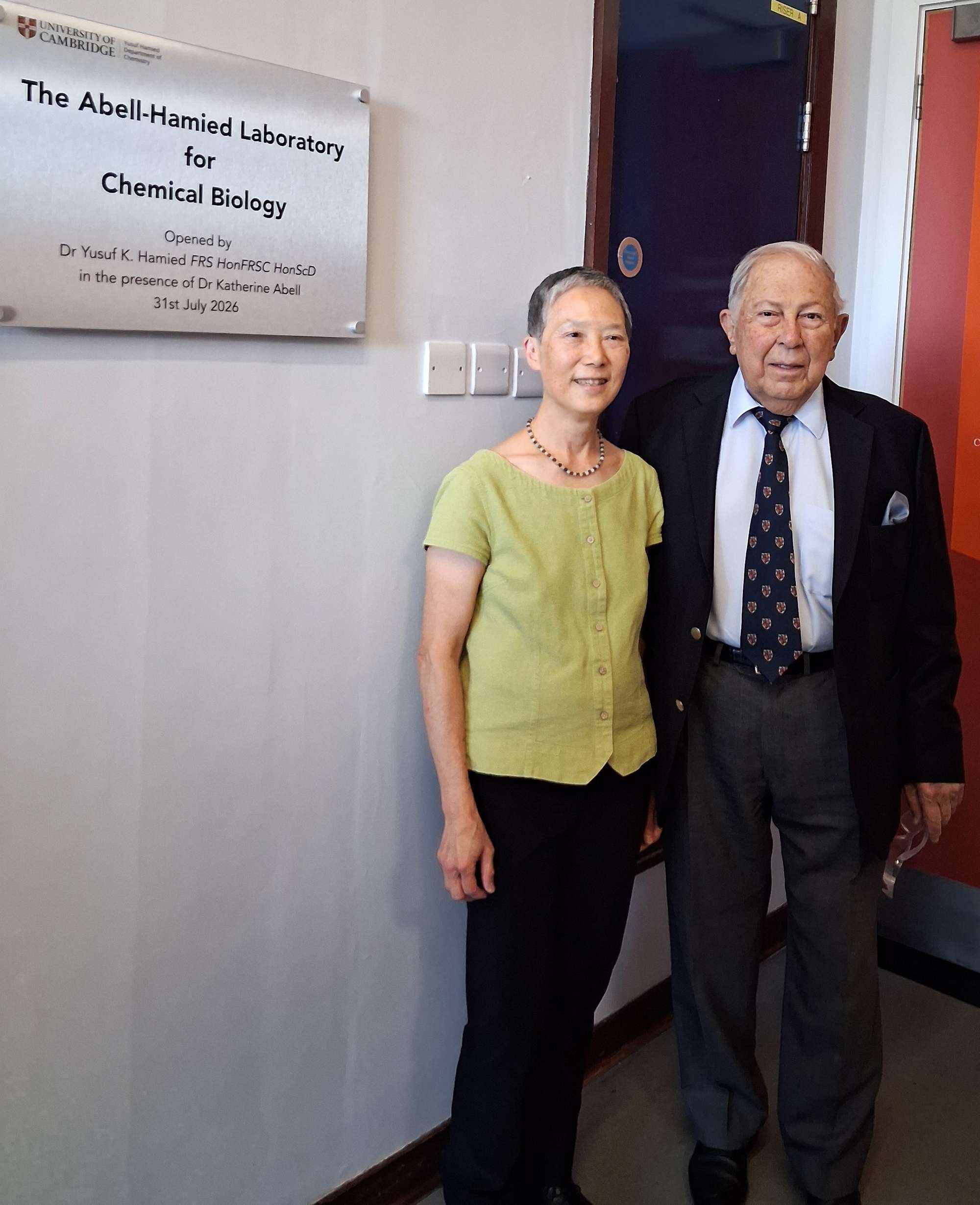 Katherine Abell and Yusuf Hamied Amit Roy
  The album gifted to Yusuf Hamied Amit Roy
 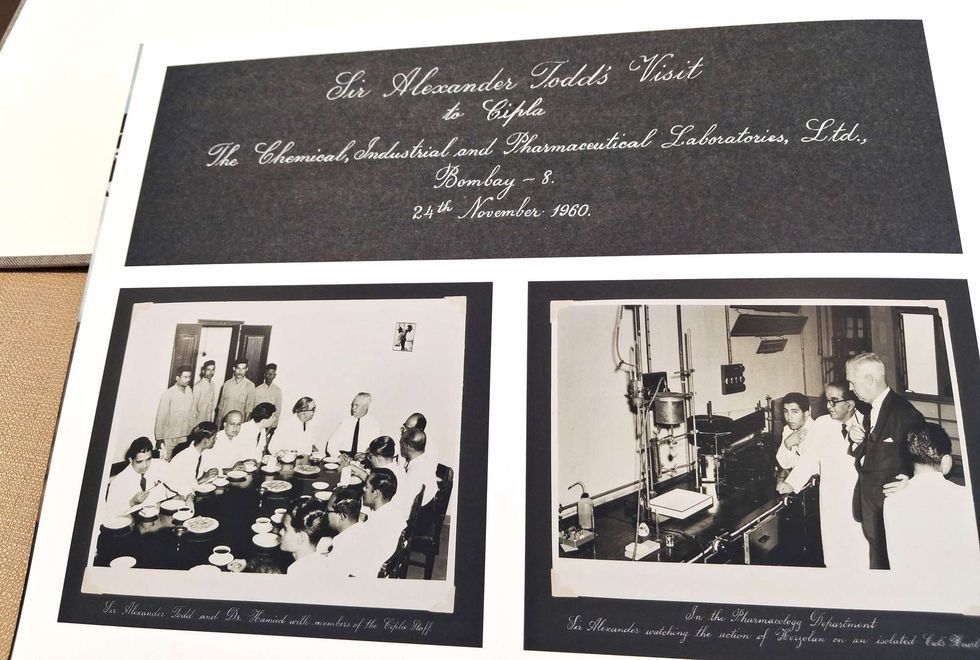 Todd visit to Cipla in Bombay in 1960 (from the album) Amit Roy
  Abell-Hamied plaqueAmit Roy
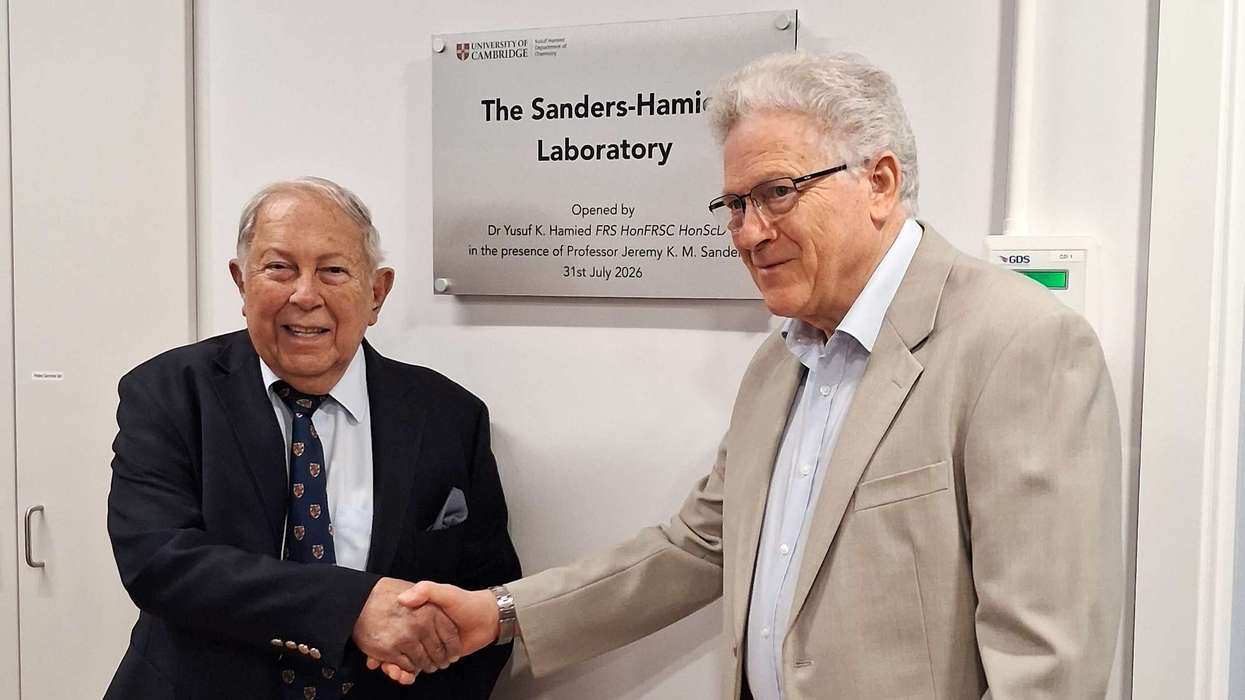
  Sanders-Hamied plaque Amit Roy
  Yusuf Hamed & Katherine Abell meet students Amit Roy
  Yusuf Hamied and Jeremy Sanders meet studentsAmit Roy
  (From left) Katherine Abell. Jeremy Sanders. Deborah Prentice. and Yusuf Hamied Amit Roy
  James Keeler Amit Roy
 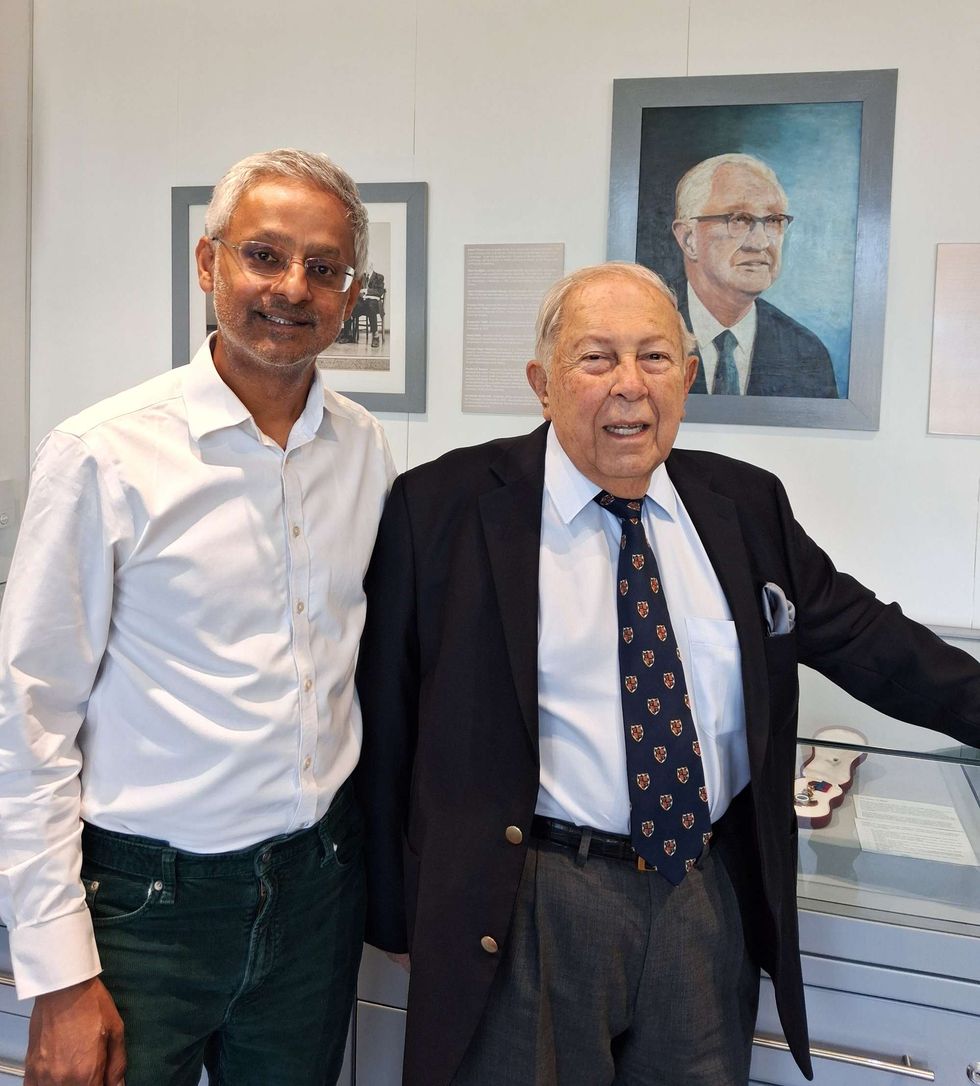 Shankar Balasubramanian with Yusuf Hamed Amit Roy


