
India is a “friendly foreign power” and the UK must honour its extradition treaty obligations by not picking holes in the government’s assurances that Nirav Modi will be provided with adequate medical care at Arthur Road Jail in Mumbai while on trial for fraud and money laundering, the High Court in London said on Wednesday.
On the second day of an appeal hearing being pursued by the 51-year-old diamond merchant against being extradited to face the Indian courts in the estimated USD 2 billion Punjab National Bank (PNB) loan scam case, a two-judge panel continued to hear arguments that Nirav poses a high risk of suicide due to his depressive state.
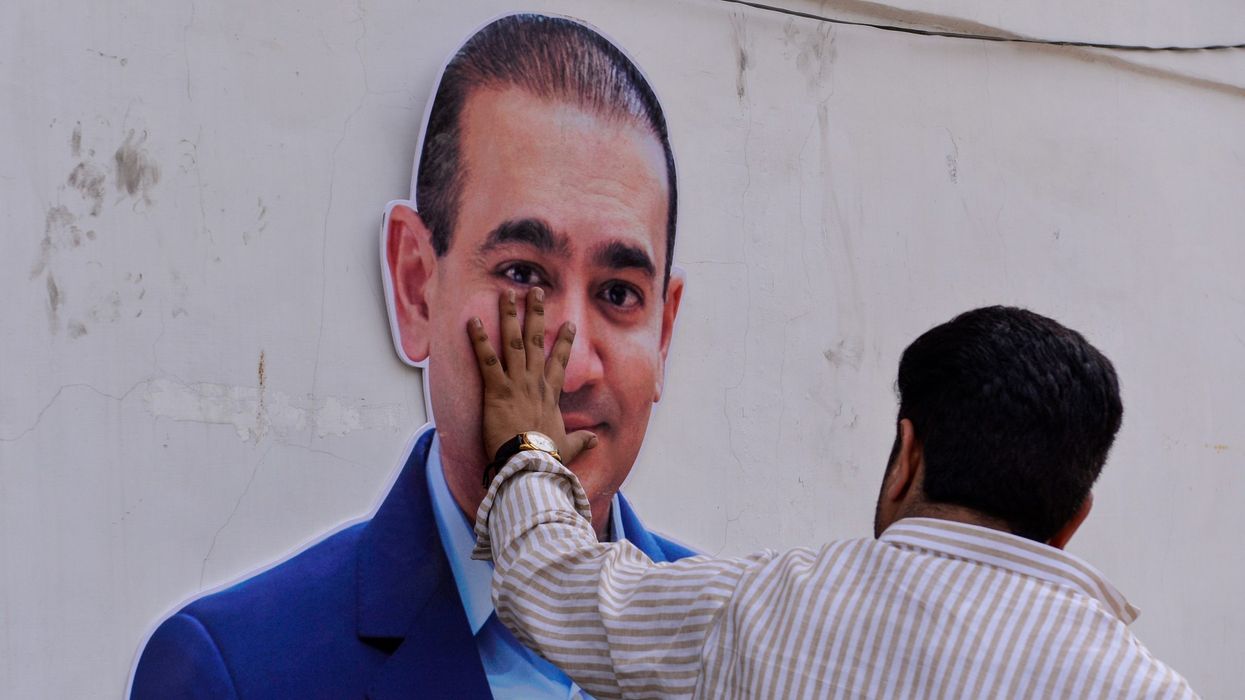
His defence team claimed that his depression would worsen if sent to the “hostile environment” of India, where politicians have “demonised” him by pre-judging his guilt, the press has been “vitriolic” and the public has “burnt his effigies”.
“The government of India assurances should be read reasonably benignly and one should not pick every possible hole in them,” Lord Justice Jeremy Stuart-Smith told defence barrister Edward Fitzgerald.
“It is in your client’s interests to demonstrate the assurances aren’t good enough, but we should take a benign approach,” he said.
Justice Robert Jay further noted that India is a “friendly foreign power and we have to honour our treaty obligations”, with reference to the India-UK Extradition Treaty signed in 1992.
Fitzgerald said he adopted an “anxious scrutiny” of the assurances because while the judiciary in India is independent, the executive did not always abide by the rule of law.
“It’s not as if there has been an uncheckered history of utter cooperation… there have been numerous cases where the court found a respondent should not be extradited to India,” he said.
The court was taken through the detailed assurances offered by the Indian authorities, the cumulative effect of which would imply that the psychiatric diagnosis would be “more than adequately managed” in India.
“This is an extremely high profile case in India and there will be many eyes on the government of India and on Mr Modi’s care,” said Helen Malcolm, the Crown Prosecution Service (CPS) barrister, on behalf of the Indian government.
Besides, she pointed to several other safeguards including daily visits by Nirav’s lawyers, access by private medical practitioners and a multidisciplinary medical team agreeing a care plan within days of his arrival in India.
(PTI)